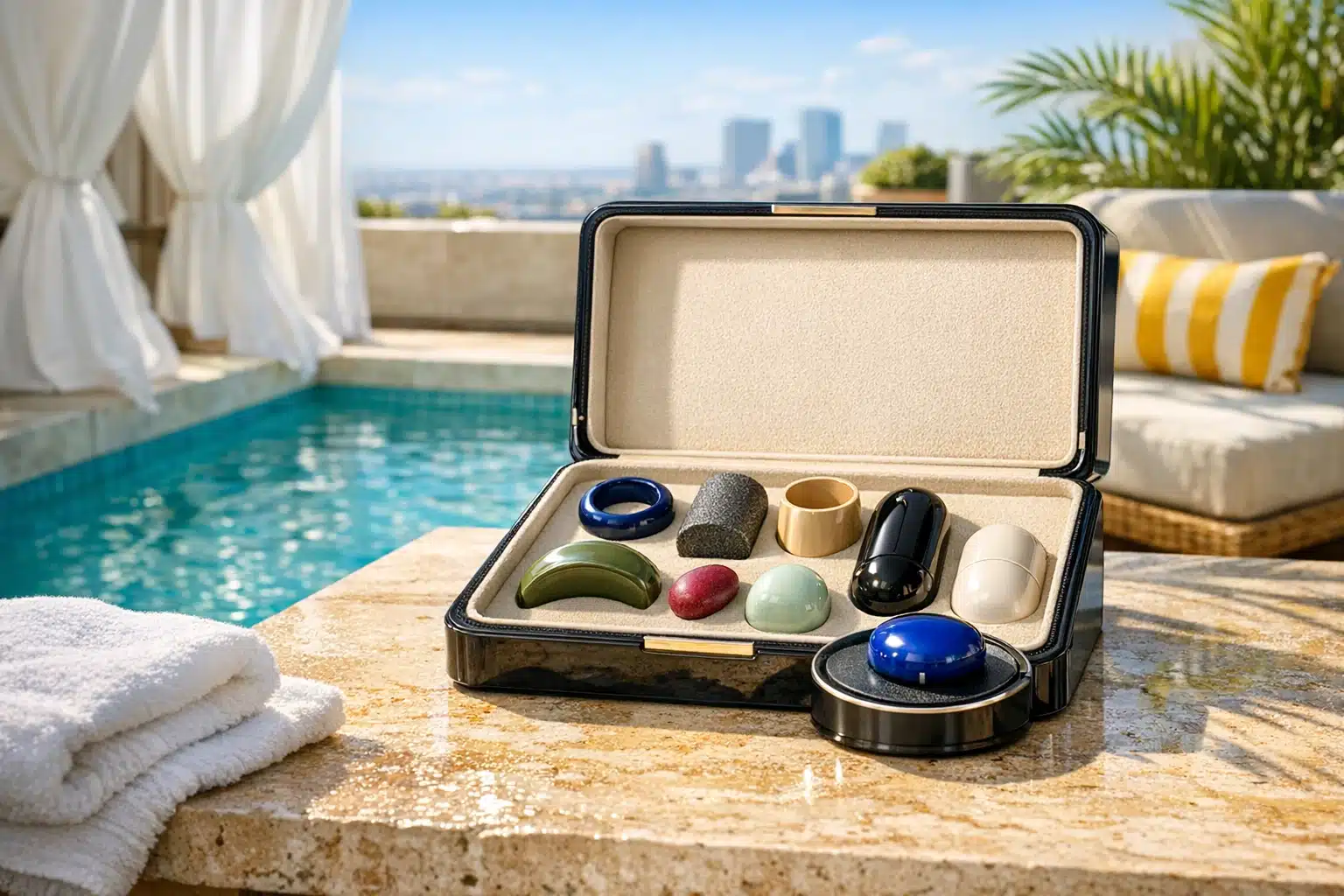
Top 10 Male Intimate Devices: Features, Comfort, and Safety
The market for male intimate devices has moved far beyond awkward novelty items, with body-safe materials, quieter motors, better fit options, and more thoughtful design now shaping the category. That growth is useful, but it also makes buying less straightforward, because comfort, maintenance, intensity, and privacy matter just as much as price. This guide compares ten common device types so readers can make a calmer, better-informed choice.
Outline of the Article and How the Top 10 Are Evaluated
Before comparing the devices themselves, it helps to map the terrain. A list like this can easily turn into a pile of flashy claims, but a good buying guide should feel more like a measured walk through a well-lit store than a spin through a carnival. In that spirit, this article ranks broad device categories rather than individual brands. That approach is more useful for readers because a category tells you what kind of experience, upkeep, fit, and budget you are signing up for, even if model names change every few months.
The ten categories covered here are: classic sleeve strokers, open-ended textured sleeves, vibrating sleeves, automatic strokers, suction-based stimulators, wearable rings, compact external massagers, prostate massagers, perineum stimulators, and heating or app-connected hybrid devices. Some are simple and mechanical. Others bring in motors, sensors, app controls, or layered stimulation styles. None of them is universally right for every buyer, which is exactly why comparison matters.
- Ease of use for beginners
- Comfort, fit, and pressure control
- Material quality and body-safe construction
- Cleaning difficulty and drying time
- Noise, portability, and storage convenience
- Price versus long-term value
- Safety considerations, especially for internal use
Those criteria may sound plain, yet they often separate a device that gets used regularly from one that vanishes into a drawer after a week. A low price can be appealing, but if the material is porous, the opening is uncomfortable, or the shape traps moisture, the bargain fades quickly. On the other hand, a premium motorized device may look impressive on a product page while proving too loud, too bulky, or too complicated for relaxed use at home.
The structure of the rest of the article is straightforward. The next two sections cover the ten device types in detail, first focusing on manual and semi-powered designs, then moving into wearable, external, internal, and smart options. After that, a dedicated comparison section looks at comfort, materials, noise, maintenance, and value. The final section turns to safety, hygiene, and practical buying advice for different kinds of readers, from cautious beginners to experienced shoppers who want better quality instead of more features. Think of this as a field guide: less hype, more clarity, and enough detail to help you choose with your head before you spend with your wallet.
Devices 1 to 5: Manual, Vibrating, and Hands-Free Options
1. Classic sleeve strokers remain the most approachable entry point for many buyers. Their appeal is simple: low cost, quiet use, manual control, and a wide range of inner textures. Because there is no motor, the user controls pace, pressure, and rhythm directly, which makes them easier to learn. They also tend to be lighter and easier to store than powered models. The downside is that quality varies enormously. Softer, low-grade materials may feel plush at first but degrade faster, hold odor more easily, and become difficult to sanitize. A well-made sleeve in body-safe elastomer or a higher-grade material is usually worth a modest premium.
2. Open-ended textured sleeves are a practical variation on the classic design. The open-ended format makes them easier to rinse, quicker to dry, and more forgiving for buyers who are uncertain about fit. They are often preferred by users who dislike a fully enclosed feel or want less suction. Compared with standard sleeves, they can feel less immersive, but they offer flexibility and simpler maintenance. For someone who values convenience over intensity, this category often punches above its price point.
3. Vibrating sleeves add powered stimulation without jumping all the way into a large machine. Most use a small removable bullet motor or built-in vibration unit, giving users a mix of texture and buzz. They suit buyers who want more variety than a manual sleeve offers but still prefer something portable and relatively affordable. The trade-off is that vibration quality can differ sharply. Cheaper units sometimes deliver a rattly, surface-level feel rather than deep, controlled power. Battery compartments and motor housings also create extra cleaning steps.
4. Automatic strokers sit in the more advanced corner of the category. These devices use motorized movement, pulsation, or internal mechanisms to create a hands-free or semi-hands-free experience. Their strengths are consistency and novelty. Many models include speed settings, pattern modes, and rechargeable batteries, with common runtimes ranging from under an hour to around two hours depending on power output. Yet convenience comes with compromises. Automatic units are usually bulkier, louder, pricier, and more demanding to clean. If privacy matters in a shared home, motor noise deserves serious attention before purchase.
5. Suction-based stimulators focus on air pressure, pulsing, or controlled suction rather than only internal texture. They are often marketed as more targeted and modern, and for some users they offer a distinct sensation that manual devices cannot replicate. At the same time, this is a category where fit and pressure control matter enormously. Too much suction can feel uncomfortable rather than enjoyable, while a poor seal can make the device ineffective. In short, the first five categories move from simple to sophisticated. The more technology you add, the more you gain in variety, but the more you must think about noise, charging, upkeep, and reliability.
Devices 6 to 10: Wearables, External Stimulators, Internal Designs, and Smart Hybrids
6. Wearable rings are among the smallest devices on the list, but their popularity comes from simplicity and versatility. In broad terms, they are designed for external use and can offer pressure, vibration, or both. Many are made from silicone because it stretches, cleans more easily than porous materials, and feels softer against the skin. Their strengths are portability, low storage demands, and quick setup. Their limitations are equally clear: fit must be correct, wear time should follow product instructions, and users need to pay attention to comfort rather than treating them like set-and-forget accessories. A ring that is too tight stops being useful immediately.
7. Compact external massagers are often overlooked in male-focused roundups, yet they deserve a place because they work without requiring a highly specific fit. These devices can be used on external erogenous areas, and they appeal to buyers who prefer flexibility over tunnel-like designs. Many have better motor quality than basic vibrating sleeves, especially in mid-range and premium tiers. They are also easier to clean because their surfaces are smoother and less enclosed. A discreet, well-made external massager can be a surprisingly practical option for someone who wants a multi-use device rather than a single-purpose one.
8. Prostate massagers occupy a more specialized place and should be approached with more care than any external product. Body-safe silicone, a flared base or safe retrieval design, gradual sizing, and adequate lubrication are not optional details here; they are essential. Some models are static and ergonomic, while others add vibration or remote control. Buyers interested in this category should understand that comfort, anatomy, and relaxation matter more than brute intensity. A good design follows the body instead of forcing it. Anyone with pain, recent surgery, or pelvic health concerns should seek medical guidance before trying internal products.
9. Perineum stimulators focus on an external zone and are appealing to users who are curious about deeper sensation but not ready for internal devices. This category often uses curved shapes, pressure-focused pads, or targeted vibration. Compared with prostate massagers, they are less invasive and easier to integrate into a beginner-friendly routine. Compared with sleeves or automatic units, they may feel more subtle and require patience. Think of them as an instrument that rewards tuning rather than a switch that turns everything up at once.
10. Heating and app-connected hybrid devices represent the tech-heavy end of the market. Heating features aim to reduce the cold, clinical feel some devices have at first contact, while app control can enable custom patterns, intensity changes, or memory settings. On paper, these features sound luxurious, and sometimes they are. In practice, they raise the stakes for battery life, software reliability, charging time, and cleaning around ports or seams. Smart features can be enjoyable, but they should be treated as a bonus rather than the main reason to buy. If the shape is awkward, the fit is poor, or the material is mediocre, no app can rescue the experience.
Comfort, Materials, Noise, and Value: The Comparisons That Matter Most
When buyers compare intimate devices, the spotlight often lands on sensation modes, but comfort is usually the factor that decides long-term satisfaction. A device can have ten patterns, warm-up functions, and futuristic packaging, yet still disappoint if the opening pinches, the texture feels abrasive, or the handle forces an awkward grip. Fit matters in different ways across categories. Sleeves and automatic units need realistic internal dimensions. Rings need careful sizing. Internal products need shape, flexibility, and beginner-appropriate proportions. Comfort is not a luxury feature; it is the foundation that makes every other feature usable.
Material quality comes next, and this is one area where a little knowledge saves money and frustration. Non-porous materials such as medical-grade silicone and quality ABS plastic are generally easier to clean and maintain than softer, porous compounds. Silicone is common because it combines softness with durability, though buyers should remember that silicone-based lubricants may not be recommended with some silicone surfaces. Water-based lubricant is usually the safer default for compatibility. Lower-grade materials can feel soft in the hand but may trap odor, stain more easily, or degrade faster with repeated washing.
- Body-safe silicone: durable, flexible, and easier to sanitize
- ABS plastic: firm, smooth, and common in motor housings
- Elastomer or TPE-style materials: softer but often more demanding to clean
- Waterproof construction: useful for washing and sometimes shower use, but only if the rating is clearly stated
Noise is another practical issue that buyers sometimes underestimate. Manual sleeves are nearly silent, which makes them appealing in apartments or shared homes. Vibrating sleeves and compact massagers are often moderate in volume, depending on motor quality. Automatic devices, especially those with moving internal mechanisms, can be much more noticeable. Some premium models advertise quieter operation, but real-world sound depends on surface contact, speed setting, and even whether the device is on a bedside table that amplifies vibration.
Value is where all the comparisons meet. An inexpensive manual sleeve may offer the best ratio of cost to use for a beginner. A mid-range external massager can outperform a gimmicky smart device that costs twice as much. Premium devices may justify their price if they combine strong motors, waterproof design, high-grade materials, and thoughtful ergonomics. The key is to buy for the experience you will actually use, not the fantasy version of yourself who wants every feature in one box. In this category, restraint often leads to better satisfaction than feature overload.
Safety, Cleaning, and a Practical Conclusion for Different Buyers
Safety should be the quiet voice in the room that never leaves, even when design and excitement do most of the talking. For external devices, that means checking materials, avoiding damaged surfaces, and stopping immediately if a product causes numbness, pain, burning, or persistent irritation. For wearable rings, it means following time guidance and never ignoring circulation-related discomfort. For internal products, it means using only devices specifically designed for that purpose, choosing a body-safe material, applying enough lubricant, and avoiding force. Pain is not a milestone, and more intensity is not a shortcut to a better experience.
Cleaning routines deserve the same seriousness as the purchase itself. Devices with open, smooth surfaces are naturally easier to wash than those with deep internal channels, seams, or removable motor parts. A mild toy cleaner or warm water with gentle soap is often suitable, depending on the manufacturer’s instructions. Drying matters too. Moisture trapped inside sleeves or around charging areas can lead to odor, material wear, or hygiene issues. Storage is another small habit with big consequences. A breathable pouch or clean, dust-free container helps protect the device and keeps different materials from rubbing together unnecessarily.
- Read the care instructions before first use, not after
- Use lubricant that matches the material
- Inspect seams, motors, and charging covers regularly
- Replace products that tear, crack, or keep odor after cleaning
- Store devices clean and fully dry
For beginners, the safest starting point is usually a quality manual sleeve, an open-ended sleeve, or a compact external massager. These categories keep cost and complexity low while giving enough variety to learn what feels comfortable. For buyers who want stronger novelty and have the budget for it, automatic strokers and suction-based models offer more features but ask more in return through maintenance, charging, and privacy concerns. For curious users exploring beyond standard stimulation, prostate massagers and perineum-focused devices can be rewarding, but they call for patience, careful selection, and a clear respect for anatomy.
The best choice, then, is rarely the loudest, most expensive, or most futuristic device on the page. It is the one that fits your comfort level, cleans without drama, uses safe materials, and matches the kind of experience you actually want. If you shop with those priorities in mind, the market becomes less confusing and far more useful. For the reader comparing options today, that is the real takeaway: choose thoughtfully, start with quality over hype, and let comfort and safety lead the decision rather than marketing fireworks.