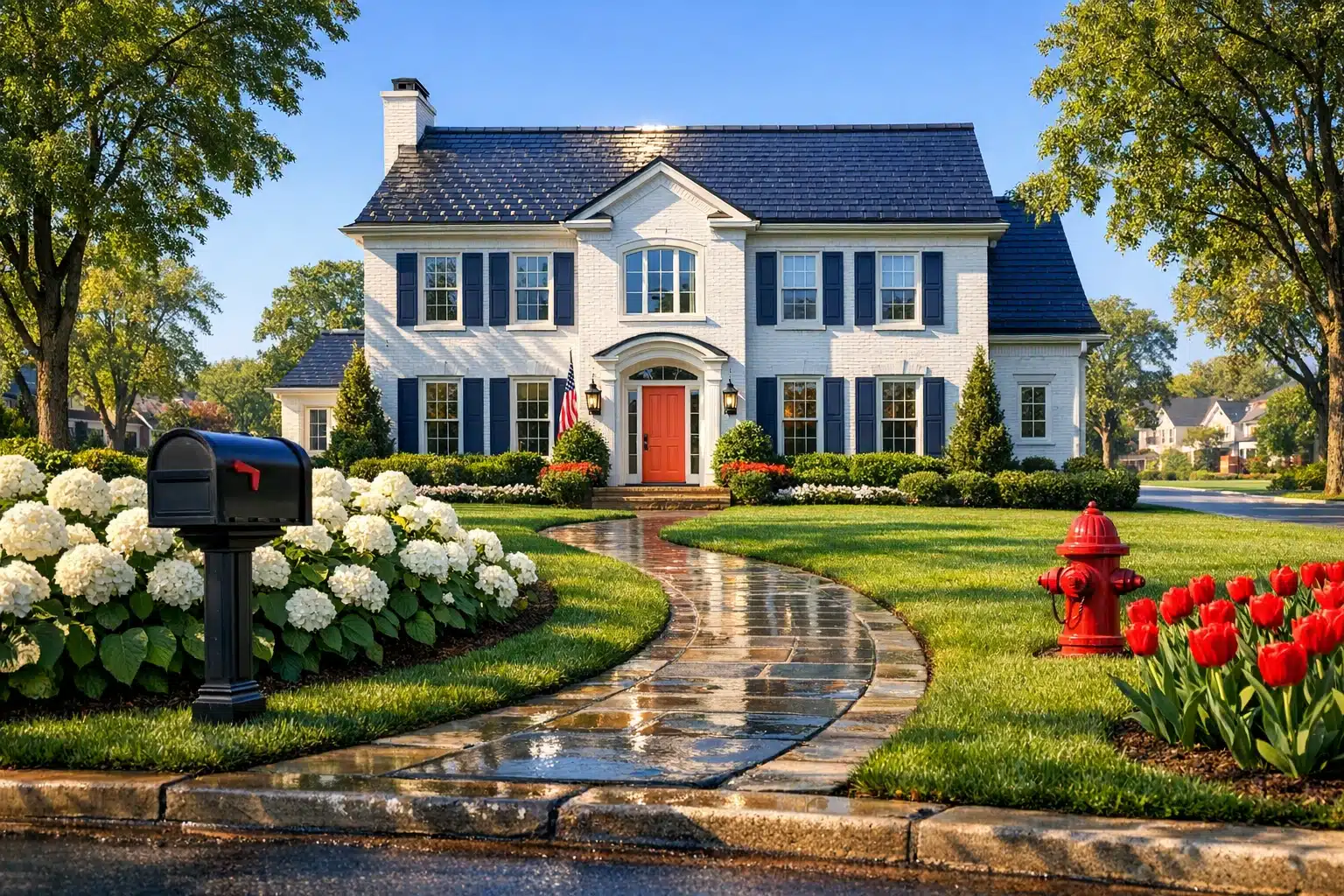
How Much Does Home Insurance Cost? A Practical Guide
Home insurance is one of those bills that feels abstract right up until a storm, theft, or burst pipe turns it into a lifeline. Prices can swing sharply, and two houses on the same block may carry very different premiums for reasons that are easy to miss at first glance. When you understand what insurers are pricing, it becomes much easier to budget, compare quotes, and spot weak coverage before a claim exposes it. This guide breaks the topic into plain, practical parts so you can make decisions with more confidence.
Article outline:
- Typical home insurance cost ranges and what they include
- The main factors that raise or lower premiums
- How coverage limits, deductibles, and add-ons affect price
- Practical ways to reduce costs without gutting protection
- How to compare quotes wisely and choose a policy that fits
Typical Home Insurance Costs: What Most Homeowners Pay
Home insurance costs are best understood as a range, not a single national number. In broad terms, many homeowners in the United States pay somewhere in the neighborhood of about $1,200 to $2,500 per year for a standard policy, which works out to roughly $100 to $210 per month. That said, the spread is enormous. A modest newer home in a low-risk area may be insured for less than that, while a house in a coastal zone, wildfire-prone region, or storm-heavy state can cost several times more. The headline figure matters less than the story behind it.
A standard homeowners policy usually combines several forms of protection. It often includes coverage for the structure itself, personal belongings, liability claims if someone is injured on the property, and additional living expenses if the home becomes temporarily unlivable after a covered loss. When people ask, “How much does home insurance cost?” they are really asking two questions at once: what is the premium, and what level of protection comes with it? A cheaper policy is not automatically a better deal if it leaves major gaps.
It helps to picture insurance as a price tag attached to risk. A small brick home with an updated roof, nearby fire services, and no recent claims will usually cost less to insure than an older wood-frame house in a hurricane corridor with aging plumbing. Even homes that look similar from the curb can produce different premiums because insurers are examining hidden variables. In other words, the number on the quote is less like a flat retail sticker and more like a custom estimate built from dozens of moving parts.
Here is a simple way to think about common pricing tiers:
- Lower range: often newer homes in lower-risk areas with solid construction and modest coverage needs
- Middle range: typical suburban homes with standard limits and average regional weather exposure
- Higher range: properties facing coastal wind, hail, wildfire, aging systems, or expensive rebuild costs
Replacement cost also matters more than sale price in many cases. A home bought for a bargain in a rural market may still be expensive to rebuild if labor, materials, and contractor demand are high. On the flip side, a condo with a high market value in a desirable city can sometimes have a lower individual insurance bill if the master association covers large parts of the structure.
The practical lesson is simple: national averages are useful for orientation, but they are poor tools for estimating your own bill. Home insurance pricing is local, specific, and highly sensitive to the details of the property. If you treat average cost as a rough map rather than a promise, you will already be shopping more intelligently than many buyers do.
Why One Home Costs More to Insure Than Another
If two homeowners compare premiums and one nearly drops the phone in disbelief, the difference usually comes down to risk factors rather than luck. Insurers use a long list of variables to estimate how likely a claim is, how severe it might be, and how much it would cost to settle. This is why home insurance pricing can feel a little like weather forecasting: the surface looks calm, but the model behind the scenes is doing a lot of work.
Location is one of the biggest drivers. A home in an area with frequent windstorms, hail, wildfire, freezes, or theft claims will usually cost more to insure. Proximity to the coast, flood exposure, and local building costs can also push prices upward. Even the distance to a fire station or fire hydrant may matter, because faster emergency response can reduce the size of a loss. Insurers are not just asking whether something bad could happen; they are asking how expensive that event would be in this exact ZIP code.
The property itself also shapes the premium. Older roofs, outdated electrical systems, aging plumbing, and certain construction materials can make a home more expensive to insure. A brand-new roof may earn a better rate because it lowers the chance of leaks and wind damage. Brick or masonry construction sometimes fares differently than wood frame construction, depending on the region. Square footage counts too, but not in the simplistic way many people assume. A larger house usually costs more because it costs more to rebuild, not merely because it looks bigger on paper.
Common pricing factors include:
- Rebuild cost of the home, which may differ from market value
- Age and condition of the roof, wiring, plumbing, and heating systems
- Local weather patterns and natural disaster exposure
- Claims history tied to the home or the policyholder
- Deductible chosen and level of liability protection
- Security features such as alarms, smoke detectors, and sprinkler systems
Claims history can influence price in ways many shoppers overlook. If a property has had repeated water damage claims, insurers may view it as more likely to generate future losses. In some markets, a homeowner’s own claims record also affects pricing. Credit-based insurance scoring may matter in certain states as well, though rules vary by jurisdiction. This is one reason shopping across insurers can produce surprisingly different quotes: companies weigh risk factors differently and use different models.
One of the most misunderstood points is that home value and insurance cost are not twins. Insurers focus heavily on reconstruction cost. A house sitting on valuable land may have a high sale price but a moderate rebuild cost. Another home in a cheaper real estate market may cost less to buy, yet more to insure because rebuilding there is difficult or materials are costly. Once you see the distinction, premium differences start to make more sense.
How Coverage Choices, Deductibles, and Add-Ons Affect the Premium
The premium does not rise or fall only because of the home itself. It also changes according to the way the policy is built. This is where many homeowners accidentally underinsure themselves. They focus on the monthly payment, trim a few options, and only later discover that the cheaper policy was missing some of the protection they assumed was standard. Insurance can be a little like packing for a trip: the bag looks lighter until you realize you left the essentials behind.
The first major lever is dwelling coverage, which is the amount available to rebuild the house after a covered loss. Higher dwelling limits usually mean higher premiums, but lowering them too aggressively can create serious trouble if construction costs rise. Many insurers estimate this amount using the home’s features, finishes, size, and local labor rates. This is why the insured value may not match the purchase price or tax assessment. A solid policy aims to reflect realistic rebuilding expenses rather than a random round number.
Another important choice is how belongings are valued. Personal property can be covered on an actual cash value basis or a replacement cost basis. Actual cash value usually pays less because depreciation is deducted. Replacement cost coverage is more expensive, but it generally provides better help when you need to replace damaged furniture, clothing, or electronics with comparable new items. The same logic applies to the home itself in some policy structures, where broader settlement terms can increase premiums but reduce out-of-pocket pain after a major loss.
Deductibles are one of the clearest pricing tools. A higher deductible often lowers the premium because the homeowner agrees to absorb more of the smaller losses. A lower deductible makes the policy easier to use for moderate claims, but it usually costs more each year. The right balance depends on savings, risk tolerance, and the hazards common in your area. Some regions also use separate wind or hurricane deductibles, which can be much larger than the standard deductible.
Coverage options that often influence price include:
- Extended or guaranteed replacement features where available
- Water backup coverage for sump pump or drain issues
- Scheduled coverage for jewelry, art, or collectibles
- Equipment breakdown protection
- Identity theft or cyber-related add-ons offered by some insurers
- Higher liability limits or an umbrella policy
It is also vital to remember what standard home insurance usually does not cover. Flood damage is commonly excluded and may require a separate policy. Earthquake coverage is also often separate. Routine wear and tear, maintenance problems, and certain gradual leaks are not the same as sudden accidental damage, and insurers treat them differently. That distinction matters because many complaints about insurance costs really trace back to a mismatch between expectations and actual policy language.
A smart buyer does not ask only, “How much is the policy?” A smarter question is, “What am I paying for, what is excluded, and how would this work after a real claim?” Once you compare quotes on equal coverage terms, the pricing becomes much more meaningful.
Ways to Lower Home Insurance Costs Without Weakening Protection
Most homeowners want a lower premium, but very few want a bargain policy that turns flimsy the moment it is tested. The good news is that there are real ways to reduce costs without stripping away useful protection. The trick is to cut waste, not substance. Think of it as tuning an engine rather than removing the brakes.
One of the most effective steps is to shop around. Different insurers can price the same home very differently because their underwriting models, claims experience, and regional appetite for risk are not identical. Getting three to five quotes can reveal large gaps. When comparing, make sure the dwelling limit, deductible, liability amount, and endorsements are as close to identical as possible. Otherwise, the cheapest quote may simply be the thinnest one.
Bundling home and auto insurance often leads to meaningful discounts, though the combined price still needs to be checked carefully. Raising the deductible can also reduce the premium, provided you have enough savings to comfortably absorb that higher out-of-pocket amount. For many households, this is a practical move because insurance works best for large, unexpected losses rather than small repair bills.
Home improvements can help too, especially when they reduce claim risk. Insurers may respond favorably to a newer roof, updated plumbing, modern wiring, storm shutters, reinforced garage doors, smart leak detectors, or centrally monitored alarms. In high-risk areas, mitigation upgrades may do more than lower the premium; they may make it easier to stay insurable at all.
Useful cost-saving strategies often include:
- Bundle home and auto if the total package is genuinely competitive
- Increase the deductible to a level your emergency fund can support
- Ask about discounts for roof replacement, alarms, sprinkler systems, or smart sensors
- Review coverage for items you no longer own or no longer need to schedule
- Avoid filing very small claims if the payout barely exceeds the deductible
- Re-shop the policy regularly, especially after renovations or market changes
Another overlooked tactic is improving the accuracy of the policy. If the insurer has the wrong roof age, square footage, or construction details on file, you may be paying too much or carrying a distorted quote. At the same time, be careful not to reduce dwelling coverage below a realistic rebuild estimate just to chase a lower number. Saving a little on the premium can backfire badly if a serious loss reveals a large shortfall.
Finally, ask your insurer or agent direct questions. Are there discounts for paperless billing, claim-free history, newer systems, or loyalty? Does the company offer a better rate for the same limits under a different policy package? Premium savings often come from small adjustments stacked together, not from one dramatic trick. A thoughtful approach can trim costs while keeping the policy strong where it matters most.
Comparing Quotes and Final Takeaways for Homeowners
Comparing home insurance quotes is where the shopping process becomes either productive or misleading. A low premium looks great on a screen, but the real question is whether the quote offers comparable protection. If one policy has lower dwelling coverage, weaker personal property terms, limited water damage coverage, and a high special deductible, it is not truly competing with a broader policy that costs more. Price matters, but context matters first.
A useful comparison starts with the declarations page or quote summary. Check the dwelling limit, personal property amount, liability coverage, deductible, loss-of-use coverage, and any endorsements that were included or omitted. Ask whether claims are settled on a replacement cost basis or an actual cash value basis where relevant. Find out whether roof losses are paid differently due to age or condition. In some markets, these details can change the value of a quote more than the premium difference itself.
Here is a practical checklist for comparing offers:
- Make sure each quote uses similar coverage limits
- Review exclusions for flood, earthquake, water backup, and wear-related problems
- Check whether the roof has special restrictions or depreciation clauses
- Compare deductible structures, including wind or hurricane deductibles if applicable
- Look at customer service reputation and claims handling, not just the price
- Ask how often the policy can be reviewed after upgrades or life changes
It is also worth considering the insurer’s financial strength and claims process. A polished quote does not mean much if the company is difficult to reach or slow to resolve losses. Reviews should be read with some caution, but patterns matter. Repeated complaints about claim delays, confusing communication, or surprise nonrenewals deserve attention. Insurance is a promise about the future, so the quality of that promise matters just as much as the opening number on the bill.
For first-time buyers, the smartest move is usually to resist the urge to shop on monthly price alone. Focus on protecting the structure realistically, carrying enough liability coverage, and understanding major exclusions before you sign. For long-time homeowners, now is a good moment to review whether the policy still matches the house you have today rather than the one you insured years ago. Renovations, rising labor costs, and changes in local weather risk can all make an old policy feel newer on paper than it really is.
In the end, home insurance cost is not a mystery so much as a calculation built from risk, coverage, and local conditions. The best policy is rarely the cheapest quote or the most expensive one. It is the one that fits your home, your finances, and the hazards you are actually likely to face. If you compare carefully, ask precise questions, and treat coverage as a tool rather than a formality, you will be in a far better position to buy with confidence.