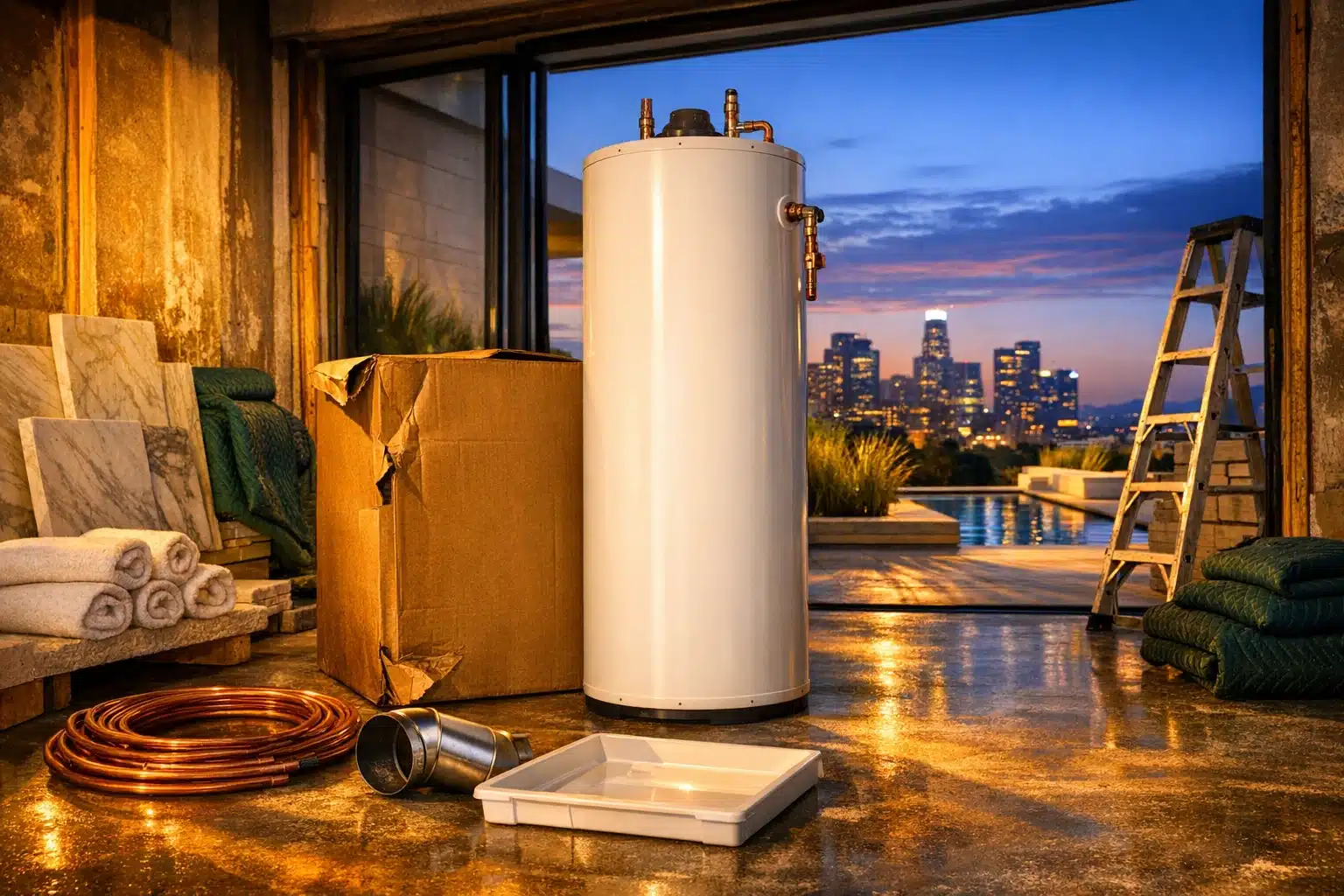
Home Depot Is Clearing Out These Water Heaters
Water heater clearances tend to grab attention because they combine urgency, household necessity, and the hope of real savings in one aisle. Yet this is not a purchase to make on impulse, since the wrong tank size, venting setup, or power requirement can turn a bargain into an expensive correction. The guide below explains what these markdowns usually mean, which models deserve a closer look, and how to judge value before a tempting price tag steals the spotlight.
What a Home Depot Water Heater Clearance Usually Means
When shoppers hear that Home Depot is clearing out water heaters, the phrase sounds dramatic, almost like a hardware-store version of a final boarding call. In reality, clearance pricing usually reflects inventory strategy rather than a sudden collapse in quality. Retailers move bulky appliances for many reasons: a manufacturer may update a model line, a store may need floor or warehouse space, demand may shift by season, or a local branch may simply have more units than the market is absorbing. Water heaters are large, heavy, and not exactly impulse-buy material, so slow-moving stock often gets pushed into markdown territory sooner than small accessories do.
This article follows a simple roadmap so buyers do not get dazzled by a red price tag and miss the bigger picture:
• how clearance inventory happens
• which water heater types most often appear
• what specifications matter more than branding alone
• where installation and code costs can change the final total
• how homeowners can decide whether to buy now, wait, or skip a deal entirely
A clearance label can refer to several different situations. One model may be new but discontinued. Another may be in perfect working order with a dented carton. A third may be an online-return unit that needs close inspection before purchase. That difference matters. A cosmetic issue on packaging is not the same as impact damage to a control valve, tank jacket, blower assembly, or electronic panel. For that reason, a markdown should trigger more questions, not fewer.
It is also important to understand that availability varies widely by region. A gas model that is scarce in one city may be overstocked in another. Electric tanks often show up more frequently because they fit more homes and are stocked in larger numbers. Hybrid heat pump units may be discounted when stores reset premium appliance inventory, while tankless models may appear online as specific sizes or venting configurations fall out of favor. In short, “these water heaters” rarely refers to one neat group. It usually means a rotating mix shaped by logistics, product cycles, and local demand.
The practical takeaway is simple: clearance can be an opportunity, but only if you treat it like a specification-driven purchase rather than a treasure hunt. Hot water is one of those household comforts people barely notice until it vanishes. That makes the buying decision less glamorous than a kitchen remodel, yet far more urgent when the old unit gives out. A smart shopper looks past the markdown sign and asks whether the heater actually fits the home, the household’s usage, and the installation conditions waiting in the utility room.
Which Water Heaters Are Most Likely to Be Marked Down
If you want to understand what may be sitting in a clearance pocket at Home Depot, it helps to divide the market into the major product types. The most common markdown candidates are standard tank water heaters, tankless units, hybrid heat pump models, and small point-of-use heaters. Each category solves a different problem, and each comes with its own pattern of discounts.
Standard tank water heaters are often the easiest to spot on clearance. They are the workhorses of the category and are usually sold in familiar sizes such as 30, 40, 50, 55, and 80 gallons. Because they are stocked more heavily, they are also more likely to be overordered or replaced by updated model numbers. For many households, these remain the simplest choice. A 40- or 50-gallon model often works well for smaller families, while larger homes with multiple bathrooms may need 50 to 80 gallons depending on shower habits, laundry frequency, and whether a soaking tub is involved. Gas tank models generally recover hot water faster than comparable electric tanks, which can matter if several people shower back to back.
Tankless water heaters are a different beast. These units heat water on demand rather than storing it in a tank, and they appeal to buyers who want space savings and potentially higher efficiency. They also tend to be more complicated to install. A clearance tankless unit can be attractive, but the wrong purchase can lead to venting upgrades, larger gas line requirements, or electrical changes that erase the discount almost overnight. In some homes, the unit is a perfect fit. In others, it is like buying a sports car and then discovering your driveway is a staircase.
Hybrid heat pump water heaters deserve special attention because they often deliver excellent efficiency. Many conventional electric tanks have a uniform energy factor just under 1.0, while hybrid models frequently exceed 3.0, which can translate into lower operating costs over time. The tradeoff is that hybrids are taller, cost more upfront, and usually need enough surrounding air volume to operate effectively. They also make some noise because they use a heat pump system. Clearance pricing can make them much more appealing, especially for homeowners with a garage, basement, or utility room that suits the installation.
Small point-of-use heaters are another category that may appear during inventory cleanup. These are designed for single sinks, workshops, additions, or remote fixtures where waiting for hot water from the main heater is inefficient. They are niche products, but for the right job they can be surprisingly useful.
Here is a quick way to think about the categories:
• standard tank: simplest replacement path for many homes
• tankless: compact and efficient, but installation-sensitive
• hybrid heat pump: strong long-term efficiency, more space-dependent
• point-of-use: practical for isolated fixtures or specialty areas
The important point is that a markdown does not make one type universally better. It simply lowers the entry cost. Whether it becomes a smart purchase depends on matching the heater to your household’s demand profile, energy source, and utility space.
How to Compare Capacity, Efficiency, and Features Without Getting Lost
Clearance shopping becomes much easier when you know which numbers deserve your attention. Water heaters often look similar from six feet away, but the specifications can tell very different stories. Instead of focusing only on gallon size or brand familiarity, start with performance metrics that reflect daily use.
For tank water heaters, capacity is only the beginning. A 50-gallon label sounds reassuring, yet the more useful number may be the first-hour rating, which estimates how much hot water the unit can deliver during a period of heavy use. This combines stored hot water with the unit’s recovery ability. Two tanks with similar capacity can serve a household differently if one reheats faster. That is why gas units often appeal to larger families even when gallon size matches an electric alternative.
For tankless units, flow rate is central. Shoppers should look for gallons per minute at a stated temperature rise, because real performance changes with incoming water temperature. In warmer climates, a tankless unit can deliver more fixtures at once than the same model would in colder regions where groundwater starts at a lower temperature. A unit that seems adequate on paper may struggle when two showers and a dishwasher run together.
Efficiency ratings matter as well. Uniform Energy Factor, or UEF, gives a standardized way to compare models. In broad terms:
• conventional electric tanks often score near 0.90 to 0.95
• standard gas tanks are commonly lower, often around 0.60 to 0.70
• many gas tankless models rate higher than standard gas tanks
• hybrid heat pump models frequently post the strongest efficiency numbers in the category
Dimensions are easy to overlook and expensive to ignore. Measure the current location carefully, including ceiling height, doorway width, service clearances, and drain placement. A hybrid model that promises energy savings is not helpful if it cannot fit through the basement door. Likewise, a direct replacement is not always truly direct. Vent diameter, electrical requirements, fuel connection size, and condensate drainage can all change the installation picture.
Warranty length deserves a close read too. Six-, nine-, and twelve-year models may look similar, but the warranty can reflect differences in internal components, service terms, or included parts. Longer coverage is valuable, though it should not be the only deciding factor. Look at what is covered, who performs service, and whether labor is included.
Then there are quality-of-life features. Digital controls, leak detection, vacation mode, Wi-Fi monitoring, and self-cleaning claims may add convenience, but they should rank behind core suitability. A clearance unit with flashy controls is still a poor buy if it is undersized or incompatible with the home. Think of features as seasoning, not the main meal.
The best comparison method is to build a short checklist before browsing. Note your fuel type, household size, installation space, usage pattern, and whether you are replacing in an emergency or planning ahead. That way, the specification sheet becomes a decision tool rather than a wall of confusing numbers.
The Real Cost of a Clearance Water Heater Goes Beyond the Price Tag
A discounted water heater can save meaningful money, but the purchase price is only one chapter of the story. Installation, permits, code upgrades, delivery logistics, and disposal fees can all reshape the final total. This is where many shoppers get tripped up. A model that looks like a bargain in the aisle may become an average deal, or even a costly mistake, once the full project comes into focus.
The easiest scenario is usually a straightforward replacement: same fuel type, similar size, same venting style, and no major code changes needed. For example, swapping one electric tank for another electric tank in a garage or utility closet may be relatively simple. Even then, buyers should confirm whether new expansion tanks, drain pans, seismic straps, shutoff updates, or temperature and pressure discharge piping are required by local code. Rules vary by region, and professional installers generally price for compliance, not just appliance placement.
The more ambitious the change, the more expensive the project can become. Converting from a tank model to tankless often requires additional work. Gas tankless units may need a larger gas line, a new venting system, a condensate setup for high-efficiency models, and electrical service for ignition and controls. Hybrid heat pump units can also create unexpected costs if the existing space is cramped, poorly ventilated, or lacks an appropriate condensate drain. In other words, a clearance discount on the appliance does not automatically mean a lower project cost.
Here are some common expenses buyers forget to include:
• professional installation labor
• permit and inspection charges
• haul-away or disposal of the old heater
• delivery fees for bulky units
• replacement of valves, connectors, venting, or drain materials
• carpentry or electrical adjustments to fit a different model
• future operating costs tied to efficiency and local utility rates
Operating cost matters because water heaters run in the background every day. A cheaper standard electric tank may cost more to run over time than a discounted hybrid heat pump model. On the other hand, paying extra for an ultra-efficient unit may not pencil out if the home will be sold soon or if the installation environment is poor. The right answer depends on time horizon. A landlord may prioritize dependable replacement cost. A long-term homeowner may care more about total ownership expense over eight to twelve years.
There is also the question of urgency. If your current water heater has already failed and the household is negotiating cold showers, quick availability may matter more than optimizing every last dollar. But if you are replacing proactively, you have room to compare model numbers, installation quotes, warranty terms, and energy estimates. That breathing room can transform a clearance hunt from reactive scrambling into careful planning.
The headline lesson is simple: do not judge a water heater by its markdown alone. Judge the entire project. The best deal is the one that fits your home, installs cleanly, performs reliably, and does not smuggle extra costs through the back door.
Conclusion: A Smart Plan for Homeowners Shopping Clearance Water Heaters
For homeowners, landlords, and anyone staring at a fading water heater in the basement and wondering whether now is the moment, the smartest approach is both practical and calm. Clearance water heaters at Home Depot can offer genuine value, especially when the markdown applies to a model that already suits your home. The key is to shop with a checklist instead of a rush of optimism.
Start by identifying your non-negotiables. Know your fuel type, available space, household demand, and whether you need a same-day replacement or are planning ahead. If you are dealing with a simple one-for-one swap, a discounted standard tank may be the cleanest win. If your home has the right conditions for a hybrid heat pump unit, clearance pricing can make a high-efficiency upgrade far more realistic. If you are considering tankless, verify the installation path before you celebrate the appliance cost. That one step can save a pile of frustration.
When evaluating specific units, look closely at condition and paperwork. Confirm whether the box is merely worn or whether the product itself shows damage. Check return policies, warranty registration requirements, and whether missing accessories could delay installation. It is also wise to compare the clearance model against current non-clearance alternatives. Sometimes the gap is large enough to justify jumping on the deal. Sometimes a newer model with better efficiency, a stronger warranty, or easier installation is worth the modest extra cost.
A useful buying sequence looks like this:
• measure the space and note utility connections
• estimate household hot water demand honestly
• compare tank, tankless, and hybrid options by fit, not hype
• request installation quotes if the setup is anything but straightforward
• calculate total project cost, not appliance price alone
• buy only when the numbers, features, and logistics line up
The audience that benefits most from these clear-outs is not necessarily the fastest buyer. It is the informed buyer. A water heater is one of those silent household machines that becomes important the minute it stops doing its job. If a clearance model delivers the right capacity, efficiency, warranty, and installation fit, then a markdown can be more than a bargain; it can be a timely, sensible upgrade. If the details do not line up, walking away is not missing out. It is good homeownership.