Electric Vacuum Pumps for Men: What They Are and How They Work
Electric vacuum pumps for men are often surrounded by curiosity, mixed advice, and marketing claims that can make a simple topic feel harder than it is. These devices use controlled suction around the penis and are commonly considered for erectile support, post-treatment rehabilitation, or temporary fullness. Knowing how they function, what results are realistic, and which safety rules matter most can save time, money, and discomfort. This guide explains the basics in plain English so readers can sort helpful facts from noise.
Article Outline: What This Guide Covers and Why It Matters
If the online marketplace feels like a carnival of flashing promises, you are not imagining it. Electric vacuum pumps for men are sold in medical-looking packaging, wellness-oriented branding, and sometimes overly dramatic advertising. That makes a structured overview useful before anyone compares prices or clicks a buy button. This section serves as the roadmap for the rest of the article, helping readers understand not only what will be covered, but why each topic deserves attention.
The subject matters because these devices sit at the intersection of health, comfort, confidence, and consumer choice. Some men research them after noticing changes in erection quality. Others encounter them after prostate treatment, during conversations about non-drug options, or while browsing sexual wellness products. A few are simply curious and want facts instead of folklore. In every case, better information leads to safer decisions and more realistic expectations.
Here is the path this guide follows:
- What an electric vacuum pump is and how the suction process works
- How electric models compare with manual pumps in convenience, features, and control
- What potential benefits, practical limits, and common use cases readers should know
- Which safety steps, cleaning habits, and shopping criteria matter most for first-time buyers
This outline is more than a table of contents dressed up in nicer clothes. Each part answers a different question that real buyers tend to ask. Is the mechanism simple or complicated? Does electric operation actually improve comfort? Can a device like this replace medical treatment? What separates a thoughtfully designed product from a gimmick with shiny buttons?
By organizing the topic this way, the article avoids two common problems. The first is technical confusion, where readers are given fragments of information without context. The second is unrealistic expectation, where a device is treated like a miracle tool rather than a specific option with defined strengths and weaknesses. Think of this guide as a flashlight in a cluttered drawer: it does not change what is inside, but it lets you see everything more clearly before reaching for anything.
What an Electric Vacuum Pump for Men Is and How It Works
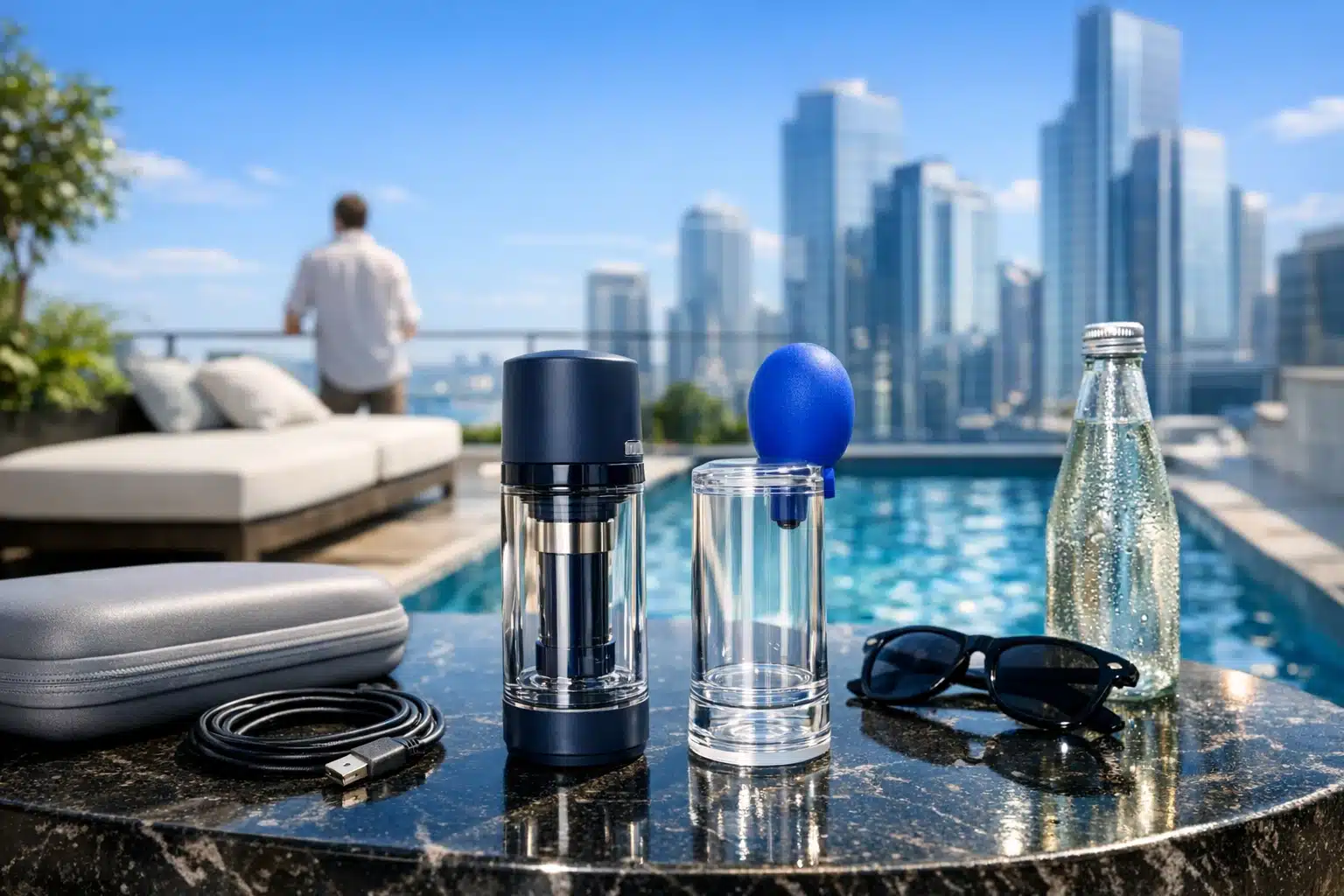
An electric vacuum pump for men is a device designed to create negative pressure around the penis. In simple terms, it gently removes air from a cylinder placed over the shaft, which encourages blood to move into the erectile tissue. That process can produce temporary firmness or fullness. The idea may sound futuristic when wrapped in modern branding, yet the core principle is mechanical and fairly straightforward.
Most electric models include a few basic parts:
- A clear tube or chamber that fits over the penis
- A powered pump unit that generates suction
- A soft opening or sleeve to improve the seal against the body
- A release function that quickly lowers pressure when needed
- In some products, accessories such as pressure displays or constriction rings
When the device is switched on, the motor gradually draws air out of the chamber. As pressure changes, blood is pulled toward the penile tissue. That can support erection development for some users, particularly when the device is used carefully and according to instructions. The experience should feel controlled, not harsh. Discomfort, pinching, numbness, or visible bruising are signs that pressure is too high, the fit is poor, or the session should stop.
This is also where terminology matters. Some products are sold as medical-style vacuum erection devices, while others are marketed more loosely as enhancement tools. The mechanisms may look similar, but design quality, pressure control, safety features, and intended use can differ. Clinical devices are usually built with more emphasis on consistency and risk reduction. Lifestyle-oriented models may focus more on convenience, styling, or extra features.
A useful comparison is to think of the pump as a controlled airflow tool rather than a shortcut to dramatic transformation. It does not permanently reshape anatomy in a single session, and it should not be expected to produce instant, flawless results every time. For some men, it can be a practical aid. For others, it may be uncomfortable, inconvenient, or less effective than expected. Understanding the mechanism helps cut through fantasy and puts the device back where it belongs: as a tool with a clear function, not a magic trick in a storage case.
Electric vs Manual Pumps: Features, Comfort, and Everyday Differences
The biggest difference between electric and manual pumps is exactly what it sounds like: how suction is created. A manual pump depends on hand pressure, usually through a bulb or trigger-style action. An electric model uses a battery-powered or rechargeable motor to do that work automatically. On paper, the distinction looks small. In practice, it can shape comfort, pacing, convenience, and overall confidence during use.
Electric pumps appeal to men who want steadier operation with less physical effort. Instead of squeezing repeatedly, the user can often control suction with a button and let the device build pressure more gradually. That matters for anyone who finds manual pumping awkward, tiring, or hard to regulate. A more even rise in pressure may feel easier to monitor, especially for beginners who are still learning how their body responds.
Manual pumps, however, are not obsolete. They are often simpler, lighter, quieter, and less expensive. Some users prefer them because they feel more direct and give immediate control over each small change in pressure. Others dislike them because maintaining a rhythm with one hand while checking comfort can feel clumsy. The better option depends less on hype and more on the person using it.
When comparing electric models, several design details deserve a closer look:
- Pressure control that feels gradual instead of abrupt
- A quick-release feature that is easy to reach
- Clear sizing information for the cylinder opening
- Body-safe materials that are easy to clean
- Battery life, charging method, and travel convenience
- Noise level, especially for shared living situations
Cost is another practical divider. Electric pumps generally cost more than manual versions because the motor, controls, and charging hardware add complexity. That does not automatically make them better. A high price tag can reflect branding just as much as engineering. Reading product details carefully is wiser than assuming the flashiest option offers the safest experience.
There is also a comfort question that rarely appears in advertisements: routine. A device can be effective on paper and still end up unused if it is annoying to set up, difficult to clean, or bulky to store. In that sense, the best comparison is not electric versus manual in the abstract. It is whether the device fits real life. A quiet, reliable, thoughtfully designed pump that a user feels comfortable operating is far more useful than a premium gadget that spends its days hidden in a drawer beside old chargers and forgotten good intentions.
Potential Uses, Expected Benefits, and the Limits Readers Should Know
Electric vacuum pumps are usually discussed in three main contexts: erectile support, rehabilitation after certain medical treatments, and temporary enhancement of fullness. Those are not identical goals, and treating them as if they are can lead to disappointment. Understanding the differences is essential for anyone deciding whether the device matches his needs.
For erectile support, vacuum erection devices are commonly recognized as a non-drug option in urology and sexual health discussions. Some men prefer them because they avoid medication-related side effects, while others use them when tablets are not suitable or have not delivered the desired result. The pump does not create arousal by itself. Instead, it uses pressure changes to help blood enter the tissue, which may assist in achieving firmness. In some cases, a constriction ring is used afterward to help maintain that effect for a limited period, though medical guidance and product instructions should always be followed.
Another use appears in recovery settings, particularly after prostate treatment. Clinicians sometimes discuss vacuum devices as part of penile rehabilitation plans meant to support tissue oxygenation and maintain elasticity. Results vary, and routines differ from one patient to another, so this is not something to improvise casually based on product marketing alone. A doctor or qualified sexual medicine professional is the right source when surgery, nerve injury, or chronic erectile dysfunction is involved.
Then there is the topic that attracts plenty of curiosity: size. A pump can create a temporary fuller appearance because of the way blood moves into the tissue. That effect is real for many users, but it is not the same as permanent anatomical growth. This is where sober expectations matter most. A device may offer short-term changes in firmness or girth perception, yet it should not be viewed as a guaranteed route to lasting enlargement.
Important limits deserve equal space:
- It is not a cure for every cause of erectile difficulty
- Comfort and effectiveness vary from person to person
- Improper use can lead to bruising, swelling, or pain
- Some medical conditions require professional advice before use
Men taking blood thinners, dealing with bleeding disorders, experiencing reduced genital sensation, or living with significant penile curvature should be especially cautious and seek guidance first. In short, the device can be useful, but usefulness is not the same as universality. The smartest expectation is measured, practical, and anchored in the body you actually have, not the fantasy version sold by bold packaging and dramatic before-and-after language.
Conclusion: Safety, Smart Buying Tips, and What First-Time Users Should Keep in Mind
For first-time readers, the most important takeaway is refreshingly simple: buy carefully, use gently, and expect realism rather than miracles. An electric vacuum pump for men can be a legitimate wellness or support device, but only when product quality and user judgment travel together. If either one is missing, the experience can go from helpful to frustrating very quickly.
Safety starts before the first session. A trustworthy product should provide clear instructions, transparent material information, and an easy-to-find pressure release function. Vague listings, exaggerated promises, or missing manufacturer details are warning signs. If a page reads like it is trying to sell a superhero origin story instead of a device, that is your cue to step back.
A sensible buying checklist includes:
- Clear sizing and fit information for the chamber and opening
- Reliable pressure control rather than sudden, aggressive suction
- Simple cleaning instructions and durable materials
- Visible customer support or warranty details
- Realistic product descriptions that avoid impossible claims
After purchase, maintenance matters more than many buyers expect. The chamber should be cleaned according to the manufacturer’s guidance, allowed to dry properly, and stored in a way that protects seals and electronics. Batteries should be charged responsibly, and worn parts should not be ignored. A device that looks polished on day one can become inconvenient or unhygienic if upkeep is neglected.
Equally important is listening to the body. Pain is not progress. Marked swelling, bruising, numbness, or lingering discomfort are signals to stop. If the device is being considered because erectile difficulties are new, frequent, or emotionally distressing, that is also a reason to talk with a clinician. Erection changes can sometimes reflect broader health issues involving circulation, hormones, stress, or medication effects.
So, who is this device best suited for? Usually, it is the informed adult reader who wants a non-invasive option, understands the learning curve, and is willing to prioritize safety over impulse. For that audience, an electric pump can be a practical tool rather than a mystery object wrapped in speculation. The best outcome is not simply buying one. It is knowing enough to decide whether it belongs in your routine at all.