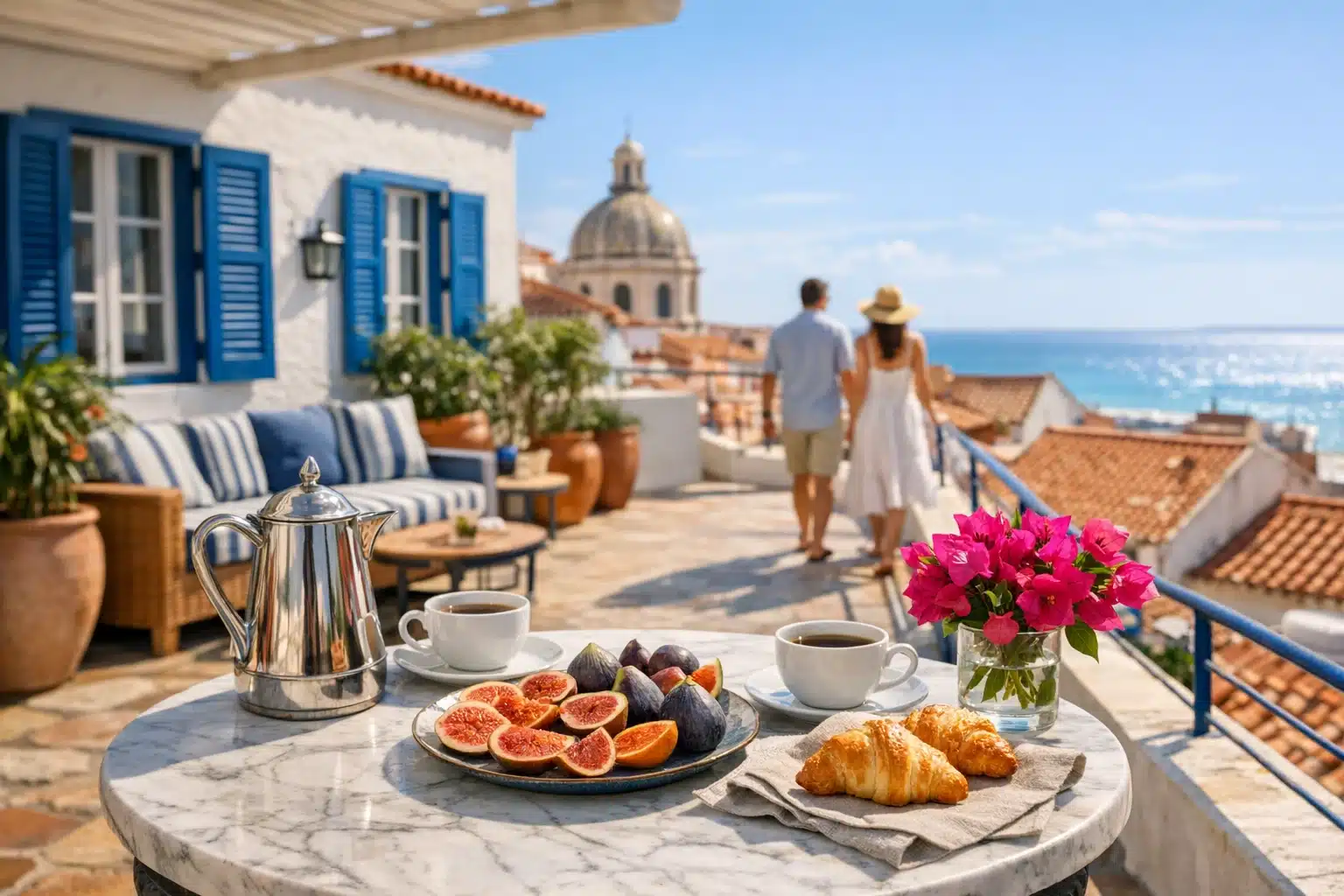
Adults-Only Hotels: A Guide to Relaxing, Child-Free Stays
Introduction
Adults-only hotels have become a popular choice for travelers who want calm surroundings, flexible schedules, and spaces designed with grown-up tastes in mind. For couples, solo guests, and groups of friends, these properties can turn a simple trip into a quieter and more intentional break. They also reflect a wider shift in travel, where people look for experiences matched to mood rather than just price or location. Understanding what these hotels offer helps travelers book with confidence and avoid mismatched expectations.
Article Outline
• What the adults-only label usually means, including common age limits and the difference between a full adults-only property and an adults-only zone within a larger resort. • The main reasons travelers choose these stays, along with the trade-offs compared with family-friendly hotels. • The most common hotel styles and destinations, from all-inclusive beach resorts to boutique city properties and wellness retreats. • Practical booking advice, including reviews, meal plans, room categories, seasonality, and hidden details that shape the real experience. • A final decision guide focused on who benefits most from child-free hotels and how to make the stay more rewarding.
What Adults-Only Hotels Actually Mean
The phrase adults-only sounds simple, but in practice it covers several hotel models. Some properties admit only guests aged 18 and above, while others set the threshold at 16 or 21. That small difference matters. A 16-plus boutique hotel in a cultural city may feel very different from a 21-plus beach resort centered on nightlife and poolside entertainment. Travelers often assume the label guarantees the same atmosphere everywhere, yet the mood depends on brand identity, destination, pricing, and guest mix. One hotel may be all about sunrise yoga, library lounges, and early dinners on a quiet terrace; another may revolve around DJs, swim-up bars, and late-night events. The common thread is not a single personality but the absence of facilities aimed at children.
From an operational standpoint, adults-only hotels often design public spaces differently from family resorts. Pools tend to prioritize lounging rather than water play. Restaurants may schedule longer dinner service, add tasting menus, or place more emphasis on wine lists and quieter seating layouts. Spas, wellness areas, and fitness rooms are often treated as core amenities rather than optional extras. Even room design can shift toward a more mature audience, with larger beds, private plunge pools, rainfall showers, soaking tubs, or balconies meant for unhurried mornings. In major leisure markets such as Mexico, the Caribbean, Greece, Spain, and the Maldives, adults-only resorts are particularly common because destinations with strong honeymoon, anniversary, and couples travel demand can support a specialized model.
It is also useful to separate true adults-only hotels from mixed resorts that simply offer adults-only sections. The distinction affects privacy, noise levels, restaurant access, and the feeling of the property as a whole. A resort may advertise an adults-only wing, but guests could still share parts of the beach, lobby, or entertainment areas with families. That setup can work well for travelers who want partial quiet without leaving a larger complex, yet it is not the same as a fully restricted property. When reading descriptions, look for exact language rather than broad marketing. Helpful points to check include the following. • Minimum guest age. • Whether the whole property is adults-only. • Which pools, restaurants, and beaches are restricted. • Whether the atmosphere is wellness-focused, romantic, social, or party-oriented. Once these details are clear, the category becomes far easier to understand, and the booking decision becomes far more precise.
Why Travelers Choose Adults-Only Stays
The strongest appeal of adults-only hotels is not exclusivity for its own sake; it is predictability. Many travelers book them because they want a setting shaped around adult routines rather than family logistics. That can mean quieter mornings by the pool, uninterrupted spa sessions, slower meals, or evening entertainment designed for mature audiences. Parents traveling without their children often choose these properties precisely because they want a short pause from responsibility. Couples like them for anniversaries, honeymoons, and romantic trips. Solo travelers may appreciate the more measured soundscape and the easier access to reading spaces, bars, or wellness facilities. Groups of friends often enjoy being able to gather over long dinners or poolside conversations without feeling out of sync with a family-centered environment.
Compared with family-friendly hotels, adults-only properties often use space more efficiently for relaxation. Instead of dedicating large areas to kids’ clubs, splash parks, and game rooms, they may invest in larger spas, upgraded dining, beach cabanas, rooftop lounges, or fitness programming. The result is not automatically better, but it is tailored differently. A traveler who values peace may find that a smaller number of well-designed amenities feels more luxurious than a long list of features they will never use. In all-inclusive destinations, adults-only resorts can also offer a more consistent atmosphere across the day. Breakfast may be quieter, pool music may begin later, and dinner service may stretch into a more leisurely evening rhythm. That sense of pacing is often what people remember most.
Still, adults-only hotels are not the ideal answer for every trip. Some carry higher nightly rates because they target special-occasion travelers or position themselves in the upscale segment. Others may lean so hard into romance or nightlife that guests seeking simple calm feel out of place. Travelers who enjoy the energetic, multigenerational feel of a classic resort might find these properties too subdued or too curated. It helps to weigh the benefits against the limitations. • Better odds of quiet public areas. • Amenities designed for adults, especially dining and wellness. • Fewer interruptions in pools, spas, and restaurants. • Sometimes higher prices or narrower appeal. • Atmospheres that vary widely from serene to highly social. In short, the value of an adults-only stay depends on alignment. When the property’s tone matches your reason for traveling, the experience can feel effortless. When it does not, the same hotel can seem overpriced, overhyped, or simply miscast for your trip.
The Main Types of Adults-Only Hotels and Where They Shine
Adults-only hotels are not a single travel genre. They sit across several hotel styles, and each style serves a different kind of guest. The best-known version is the all-inclusive beach resort, especially in destinations such as Cancun, Punta Cana, Jamaica, Saint Lucia, and the Riviera Maya. These resorts often combine multiple restaurants, bars, pools, beach access, entertainment, and spa services under one rate. They appeal to travelers who want an easy, self-contained holiday where most decisions are made before arrival. For honeymooners or busy professionals, that convenience can be a real advantage. You unpack once, settle into a rhythm, and let the sea fill the rest of the sentence.
A second category is the boutique adults-only hotel, often found in historic towns, island villages, wine regions, or design-focused urban neighborhoods. These properties are usually smaller, more intimate, and less program-heavy. Rather than offering ten restaurants, they may have one excellent breakfast room, a refined cocktail bar, and beautifully considered interiors. In places such as Santorini, Mallorca, Tuscany, or Lisbon, adults-only boutique hotels attract travelers who care as much about atmosphere and location as they do about resort-style amenities. The experience is often less about seclusion and more about character. Guests might spend their days exploring galleries, beaches, markets, or vineyards, then return to a peaceful room in the evening.
Wellness retreats form another important category. In Bali, Thailand, Costa Rica, and parts of Southern Europe, adults-only wellness properties focus on yoga, nutrition, thermal circuits, nature, and low-stimulation environments. These hotels may attract solo travelers as much as couples, especially guests interested in rest rather than celebration. At the other end of the spectrum are social or party-oriented adults-only resorts, where music, themed events, and nightlife are central to the appeal. Age restrictions matter here, but so does branding. A peaceful spa resort and a high-energy beach club hotel may both exclude children, yet they deliver entirely different holidays.
Choosing among these formats means thinking beyond the label. Ask what kind of traveler you are on this specific trip. • If you want simplicity, an all-inclusive resort may be ideal. • If you care about local character, a boutique property often gives more sense of place. • If recovery and wellness are the goal, spa-focused hotels offer the best fit. • If your trip revolves around friends and nightlife, a livelier resort may feel more natural. The destination, too, shapes expectations. A secluded island stay, a Mediterranean hideaway, and a city rooftop hotel can all be adults-only, but the emotional texture of each experience is completely different.
How to Choose the Right Property and Avoid Booking Mistakes
Booking an adults-only hotel well begins with clarity about your own priorities. Too many travelers filter for price, star rating, and location, then assume the rest will sort itself out. With adults-only stays, the opposite approach works better. Start with the kind of atmosphere you want. Do you picture quiet breakfasts, early swims, and long afternoons with a book, or are you hoping for music, cocktails, and a social crowd? That question should guide the rest. A romantic resort for couples can feel awkward for solo travelers, while a festive hotel may disappoint guests who imagined candlelight and silence. Reviews are especially valuable here because they reveal the tone that glossy photos often hide.
It is also wise to read the property description carefully for operational details. Not every adults-only hotel includes the same benefits, and not every booking platform presents them clearly. Meal plans matter. All-inclusive rates can offer excellent value in remote beach destinations where dining options outside the property are limited, but a room-only plan may be better in a city or village with strong local restaurants. Room type matters as well. An entry-level room beside the elevator may technically belong to a luxury hotel, yet it will not feel luxurious if poor placement affects sleep. Seasonal timing is another decisive factor. The same resort can feel spacious and serene in shoulder season, then crowded and noisy during a holiday peak.
Several practical checks can prevent disappointment. • Confirm the exact age policy: 16-plus, 18-plus, or 21-plus changes the guest profile. • Verify whether the whole property is adults-only or just one section. • Study recent reviews for comments on noise, food quality, beach conditions, and staff responsiveness. • Compare what is included, especially airport transfers, premium dining, spa access, and minibar service. • Check cancellation terms before booking a special offer, since discounted rates may be much less flexible. • Use maps to understand the real setting, not just the promotional framing. A “secluded” resort may actually sit next to a busy construction area or a party beach.
One more point deserves emphasis: expensive does not always mean better matched. Some mid-range adults-only hotels outperform luxury resorts simply because they understand their audience more clearly. A well-run four-star property with thoughtful service, comfortable rooms, and a genuinely calm atmosphere may deliver more satisfaction than a flashy five-star resort that feels crowded, theatrical, or impersonal. Smart booking is less about chasing prestige and more about matching setting, budget, and expectations. When those pieces line up, the hotel stops being a backdrop and starts shaping the quality of the entire trip.
Final Thoughts: Who Benefits Most from Adults-Only Hotels
Adults-only hotels suit travelers who value mood as much as amenities. They are especially useful for people planning a honeymoon, anniversary, birthday escape, wellness break, or short trip where quiet feels like the true luxury. Couples often gravitate toward them for obvious reasons, yet they are far from couples-only in practice. Solo guests can enjoy the calmer setting and easier access to spa, dining, and lounge areas. Friends traveling together may appreciate a property where evenings flow naturally from dinner to drinks without the structure of family entertainment around them. Even parents who love traveling with their children sometimes choose an adults-only hotel for one simple reason: they want a temporary change of pace.
That said, the best audience is not defined by age alone but by expectation. If you enjoy lively family resorts, love intergenerational travel, or want child-friendly activities nearby because part of your group includes younger relatives, an adults-only hotel may feel limiting. Likewise, if you see the label and assume universal peace, you may be surprised by how social some properties can be. The winning approach is to think of adults-only as a filter, not a verdict. It narrows the style of hospitality, but it does not replace the need to evaluate atmosphere, location, service, and value. The right hotel is still the one that fits the purpose of your trip.
For readers considering their first child-free stay, the most practical advice is simple. Be honest about what you want from the travel days ahead. If you want deep rest, choose a smaller or wellness-focused property. If you want celebration, look for a resort known for entertainment and communal spaces. If you want local texture, a boutique adults-only hotel may deliver a more memorable sense of place than a large complex. In every case, read carefully, compare thoughtfully, and book with your real preferences in mind rather than the fantasy version of someone else’s vacation.
When chosen well, an adults-only hotel can feel like a finely tuned room in a noisy world: not dramatic, not magical, just exactly right. It gives travelers permission to slow down, sleep later, linger longer, and enjoy surroundings built around adult rhythms. For anyone seeking a child-free stay that is restful, stylish, or simply better aligned with their travel style, these hotels remain one of the clearest ways to turn intention into experience.