A Guide to Adult-Only Nudist Resorts in the UK for Seniors
For many older travellers, a naturist break is not about shock value at all; it is about comfort, body confidence, and the quiet relief of being somewhere that feels less performative. In the UK, that experience usually comes through clubs, holiday parks, guest accommodation, and small retreats rather than giant all-inclusive resorts. This guide helps seniors sort through the options, compare facilities, and decide what kind of stay will feel welcoming, practical, and easy to enjoy. If you are curious but cautious, you are in the right place.
Outline
This article is organised into five practical parts so readers can move from broad understanding to confident planning.
-
The first section explains what adult-only naturist accommodation in the UK really looks like and why it often suits older guests.
-
The second section shows how to judge whether a venue is genuinely senior-friendly, beyond the marketing photos.
-
The third section compares the main accommodation styles, from social clubs to guesthouses and holiday parks.
-
The fourth section covers etiquette, privacy, and the legal context that matters when booking and staying at a naturist venue.
-
The fifth section focuses on planning, including budget, packing, transport, timing, and the smartest questions to ask before reserving.
1. Understanding the UK Naturist Scene and Why It Can Appeal to Seniors
When people hear the phrase adult-only nudist resort, they often picture a polished Mediterranean complex with endless sunshine, spa decks, and a bar beside a pool. In the UK, the reality is usually different, and understanding that difference is the first step toward a good booking decision. British naturist accommodation tends to be smaller, quieter, and more community-based. Instead of a single dominant resort model, the market includes naturist clubs, lodge parks, campsites, country retreats, and occasional guesthouses that welcome adults seeking a clothes-free environment. That matters for seniors because it means the best option is often the one that matches personal comfort and pace, not the one with the flashiest label.
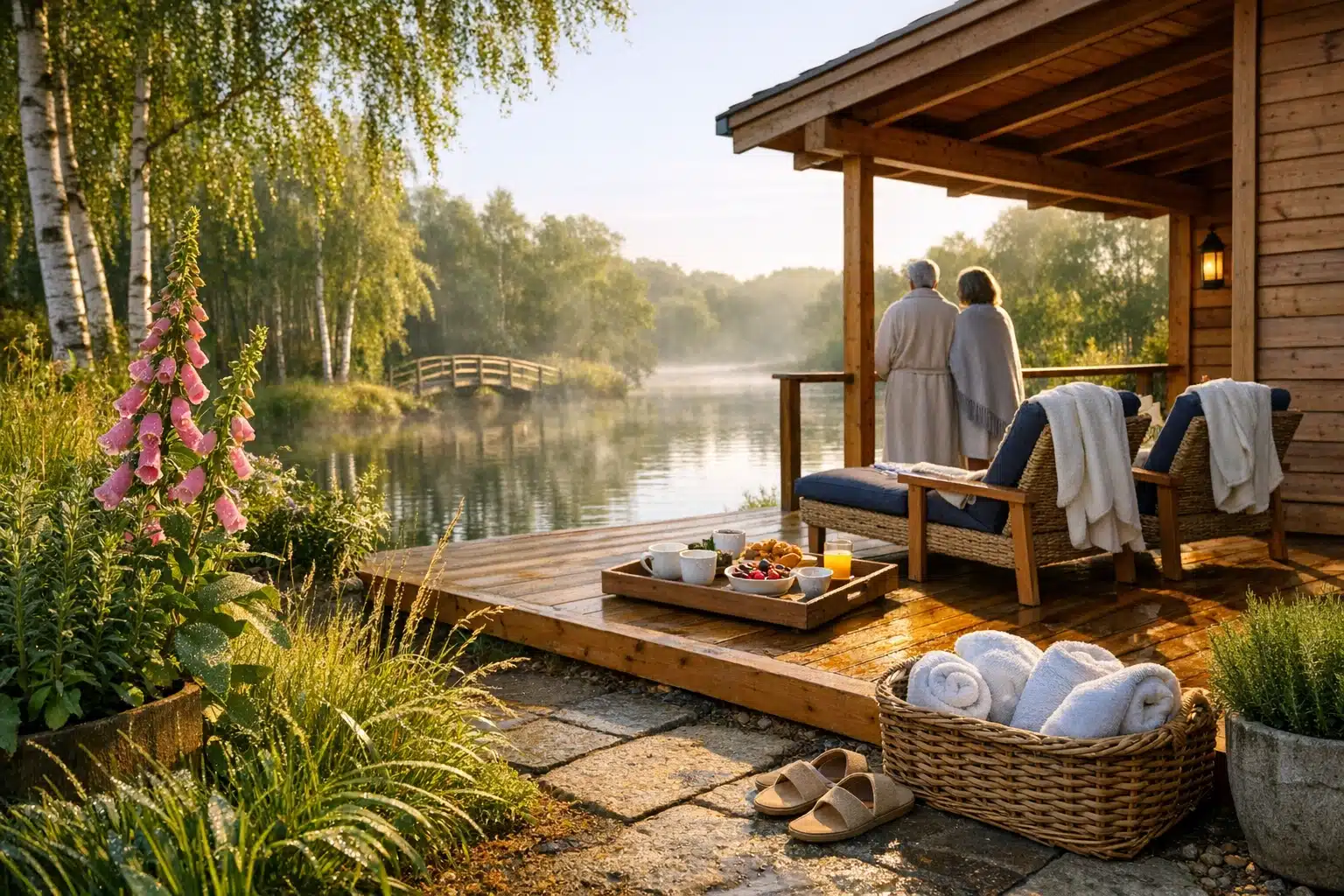
For many older guests, the appeal is refreshingly simple. A naturist stay can remove a layer of social self-consciousness that mainstream travel sometimes adds. There is often less emphasis on dressing up, less pressure to perform youthfulness, and more space to enjoy routines that feel human and unhurried. A morning coffee on a terrace, a conversation in a warm lounge, a quiet stroll on private grounds, or a swim without the fuss of changing rooms can feel oddly luxurious precisely because it is so ordinary. It is a form of leisure that can be gentle rather than dramatic.
Adult-only environments may suit seniors for practical reasons as well. They are often calmer, especially outside peak summer weekends. Noise levels tend to be lower. Shared areas may feel more relaxed. Social interaction, where it happens, is usually conversational rather than frenetic. Some guests want friendly company; others want peace without awkward questions. Naturist venues often understand both needs well.
-
Clubs and member-style sites: often social, community-led, and rooted in tradition.
-
Holiday parks and campsites: usually more flexible for short breaks and self-catering stays.
-
Guest accommodation: often best for couples or solo travellers who prefer a smaller setting.
-
Wellness-oriented retreats: rarer in the UK, but attractive to those who value comfort and indoor facilities.
There is also an important reality check: in Britain, weather shapes the experience. Outdoor sunbathing may be lovely in good conditions, but heated indoor areas, sheltered spaces, and reliable facilities matter much more than they would in warmer countries. That can work in seniors’ favour. A venue that is less glossy but better designed for comfort will usually beat a prettier place with draughty rooms and long walks to the shower block. In short, the UK naturist landscape rewards realistic expectations, and that is not a drawback. It is exactly what makes careful comparison so worthwhile.
2. What Makes an Adult-Only Naturist Venue Truly Senior-Friendly
A venue can describe itself as peaceful, premium, or welcoming, but those words do not tell a senior traveller what daily life on the property will actually feel like. The real test is practical: how easy is it to move around, rest comfortably, keep warm when the weather changes, and enjoy the stay without unnecessary effort? In the UK, where sunshine is never guaranteed and many naturist properties grew over time rather than being built from scratch, these details matter more than polished marketing language.
Accessibility is usually the first thing to check. That does not only mean whether there is a ramp at reception. Seniors should look at the full chain of movement across the site. Are there steep gravel paths between accommodation and shared facilities? Is parking close to the room, lodge, or caravan pitch? Are shower blocks heated and well lit? Are bathrooms private or heavily communal? If a site says it is suitable for everyone, but the map shows long walks uphill and limited indoor shelter, the experience may be less relaxing than expected. Many older travellers are perfectly mobile, of course, but comfort is not the same thing as merely managing.
Indoor quality is another overlooked point. In a warm climate, outdoor amenities can carry a resort. In the UK, senior guests often benefit more from a solid indoor lounge, clean washrooms, warm changing spaces, comfortable mattresses, and communal areas where sitting for a chat feels pleasant rather than chilly. A property with modest grounds but excellent heating and seating may deliver a better holiday than a larger site that depends too heavily on good weather.
-
Step-free or low-step access to key facilities
-
Heated indoor spaces for cooler days and evenings
-
Good bathroom design with privacy, handrails, and reliable hot water
-
Close parking or easy luggage transport
-
Quiet surroundings rather than event-heavy schedules
-
Clear communication about rules, meals, and check-in routines
Social atmosphere also deserves attention. Some seniors want a friendly club feel, where conversation comes naturally over tea or in a communal garden. Others prefer a more private arrangement with their own self-catering unit and minimal group activity. Neither choice is better; they simply suit different temperaments. A useful trick is to read between the lines of a venue description. Frequent mentions of themed weekends, live entertainment, or busy calendars may suggest a lively social culture. References to private lodges, quiet grounds, and independent stays often point to a slower rhythm.
Finally, booking flexibility can make a major difference. Seniors may appreciate straightforward cancellation terms, short-stay options, and honest answers about medical access, local transport, and nearest shops. A venue that replies clearly and kindly to practical questions is giving you useful information before you even arrive. Hospitality begins long before check-in. When evaluating naturist accommodation in later life, the best venues are rarely the ones making the biggest claims; they are the ones that quietly make everything easier.
3. Comparing the Main Types of UK Adult-Only Naturist Stays
One of the easiest ways to avoid disappointment is to stop treating every adult-only naturist venue as if it belongs to the same category. In the UK, accommodation styles differ sharply, and each has strengths that may or may not fit senior travellers. A guest who wants privacy, comfort, and a proper bed may feel underwhelmed by a club that is ideal for a sociable camper. Equally, someone seeking conversation and a sense of community may find a self-contained lodge too quiet. The right stay depends less on status and more on structure.
First, there are naturist clubs and member-style sites. These often have loyal communities, established etiquette, and a friendly atmosphere that can be reassuring for newcomers once they settle in. Seniors who enjoy social routines may like shared gardens, clubhouses, and regular conversation. The trade-off is that some clubs feel more practical than luxurious. Facilities may vary in age, and the strongest asset is often the people rather than the polish. For a solo traveller who values connection, this can be an excellent match.
Second, there are holiday parks and naturist-friendly camping or caravan sites. These usually offer more flexibility. Some guests bring their own caravan or motorhome; others rent cabins, static caravans, or small lodges. This model works well for seniors who like self-catering, familiar routines, and a little personal space. The comparison point here is useful: holiday park stays often provide greater independence than club accommodation, but sometimes less built-in social contact. They can also vary widely in comfort, so unit quality matters more than the name of the site.
Third, there are guesthouses, B&Bs, and small retreat-style properties. These may suit couples and cautious first-timers especially well. A smaller property can feel less intimidating than a large shared site. It may also offer a more curated experience, with breakfast, private rooms, and a host who sets a calm tone. The downside is that availability can be limited, and the atmosphere depends heavily on individual management style.
-
Best for sociability: established clubs and community-led sites
-
Best for independence: self-catering parks, lodges, and caravan-based stays
-
Best for first-timers wanting reassurance: smaller guest accommodation
-
Best for comfort-focused travellers: venues with heated indoor facilities and private units
There is also a fourth category worth mentioning: spa-led or wellness-oriented breaks that include naturist elements or clothing-optional periods. These are less common and may not always be fully naturist in the traditional sense. Still, some seniors prefer them because they combine privacy, warmth, and comfort with a less club-based atmosphere. If that sounds appealing, it is important to read the fine print. Clothing-optional policies, adults-only rules, and naturist hours can differ significantly.
The central comparison is simple. Clubs offer community, parks offer flexibility, guesthouses offer intimacy, and wellness-focused stays offer comfort-led structure. A senior traveller who knows which of those four qualities matters most will narrow the field quickly and choose far more wisely.
4. Privacy, Etiquette, and the Legal Context Seniors Should Know
For many people considering a first naturist break later in life, the biggest uncertainty is not accommodation quality but social uncertainty. What are the rules? What if I feel awkward? What if the atmosphere is not respectful? These are sensible questions, and the reassuring answer is that well-run naturist venues usually depend on clear etiquette and a strong sense of personal boundaries. In fact, many seniors find the environment more considerate than standard holiday spaces because expectations are stated more openly.
The first point to understand is that naturism is not the same thing as a sexualised environment. At reputable venues, the emphasis is on comfort, body acceptance, and ordinary leisure. That distinction matters. Adult-only policies are usually intended to shape the atmosphere, maintain privacy, or reflect venue licensing and house rules, not to create a provocative setting. Seniors who worry they may be stepping into something performative or uncomfortable are often relieved to discover that the tone is surprisingly normal. People read, swim, chat, garden, sunbathe, and make tea. In other words, it is life, simply with fewer layers.
Etiquette tends to be straightforward and easy to follow.
-
Carry a towel and use it on shared seating.
-
Do not stare, comment on bodies, or treat nudity as a spectacle.
-
Ask before taking any photograph, and expect many venues to restrict photography altogether.
-
Keep a robe, cover-up, or practical layer nearby for cooler weather and transitional spaces.
-
Follow house rules in dining areas, hot tubs, pools, and receptions, where local customs may differ.
Privacy standards matter especially for older guests who may be more selective about social settings. Before booking, check how the venue handles visitors, day passes, digital devices, and staff access to accommodation areas. Ask whether the property is open only to residents, whether events bring in outside guests, and whether quiet zones exist. A simple question can reveal a lot about a venue’s culture.
Legally, the UK context is often misunderstood. In England and Wales, simple nudity in itself is not automatically illegal, but context and behaviour matter, especially where there is intent to cause harassment, alarm, or distress. Private venues operate under their own house rules and are the safest context for naturist travel. Across the wider UK, local interpretation and enforcement can vary, so travellers should not assume that public-space behaviour acceptable in one place will be viewed the same way elsewhere. The sensible approach is easy: treat the venue as the primary authority, follow posted rules, and keep public transitions discreet.
For seniors, the practical takeaway is encouraging. A good naturist venue is usually built on courtesy, not confusion. If a property cannot explain its etiquette clearly, that is a warning sign. If it can, then the experience is likely to feel much less daunting than expected. Sometimes the best form of luxury is simply knowing what the room expects from you, and what it absolutely does not.
5. Planning a Comfortable Stay: Budget, Packing, Booking Questions, and Timing
Once you know what kind of venue suits you, the final step is turning general interest into a realistic plan. This is where many senior travellers gain the most confidence, because good planning removes guesswork. Naturist travel in the UK tends to reward preparation more than spontaneity, especially if warmth, mobility, privacy, and quiet surroundings matter to you. The aim is not to overcomplicate the trip; it is to make sure the holiday runs on comfort rather than improvisation.
Start with budget. Prices vary according to accommodation style, region, season, and whether meals or facilities are included. Club-style stays and camping options can be economical, especially for longer visits, while private guest accommodation and lodge rentals often cost more but provide greater comfort and independence. Seniors should not compare prices without comparing what is actually included. A slightly higher nightly rate may cover heating, private bathroom access, parking nearby, linen, and better indoor facilities. In the UK climate, those extras can be worth far more than they look on paper.
Timing matters too. Late spring through early autumn usually offers the broadest choice for outdoor enjoyment, but the ideal season depends on your priorities. If you like lively social energy, mid-summer may suit you best. If you prefer quieter surroundings, shoulder-season breaks can be a smart compromise, provided the property has reliable indoor spaces and heating. A cool September stay in a well-designed lodge may feel far better than a busy July weekend at a site that depends entirely on sunshine.
Before booking, it helps to ask practical, direct questions.
-
Is the property fully adults-only, or simply adult-leaning in practice?
-
How close is parking to the accommodation?
-
Are paths level, paved, or steep?
-
What heating is available in rooms and bathrooms?
-
Are meals available, or is self-catering expected?
-
Are robes, towels, or pool towels provided?
-
What are the photography and visitor policies?
-
Is there a quiet time or a particularly social weekend calendar?
Packing is simpler than many first-timers expect. Bring layers, sandals or easy slip-on footwear, a robe or wrap, a good towel, sunscreen for fair-weather days, and any comfort items that improve sleep. If you use medications, mobility supports, or special pillows, pack them without apology. This is your holiday, not a test of minimalism. A small bag for carrying essentials between accommodation and shared facilities is often useful as well.
Finally, think about transport and distance from services. Some rural sites are wonderfully peaceful but inconvenient if you need pharmacies, cafés, or easy taxi access. Seniors travelling without a car should check station transfers and local road conditions carefully. A beautiful location is only beautiful if getting there and moving around it does not feel like an obstacle course.
If there is one golden rule, it is this: ask the questions you would ask for any comfort-focused trip, then add naturist-specific ones about privacy and etiquette. The best UK adult-only naturist stays for seniors are not necessarily the most luxurious or the most famous. They are the ones that make you feel at ease from the first email onward.
Conclusion for Senior Naturist Travellers
Adult-only naturist accommodation in the UK can be a thoughtful, low-pressure option for seniors who want relaxation without pretence. The strongest choices are rarely defined by glamour alone; they stand out because they combine warmth, privacy, accessibility, and a respectful atmosphere. If you remember that the UK market includes clubs, parks, guest stays, and smaller retreats rather than one uniform resort model, the search becomes much easier. Choose the setting that fits your pace, ask clear questions, and prioritise practical comfort over glossy labels. Done well, a naturist break can feel less like a leap into the unknown and more like a calm holiday that finally suits the stage of life you are in now.