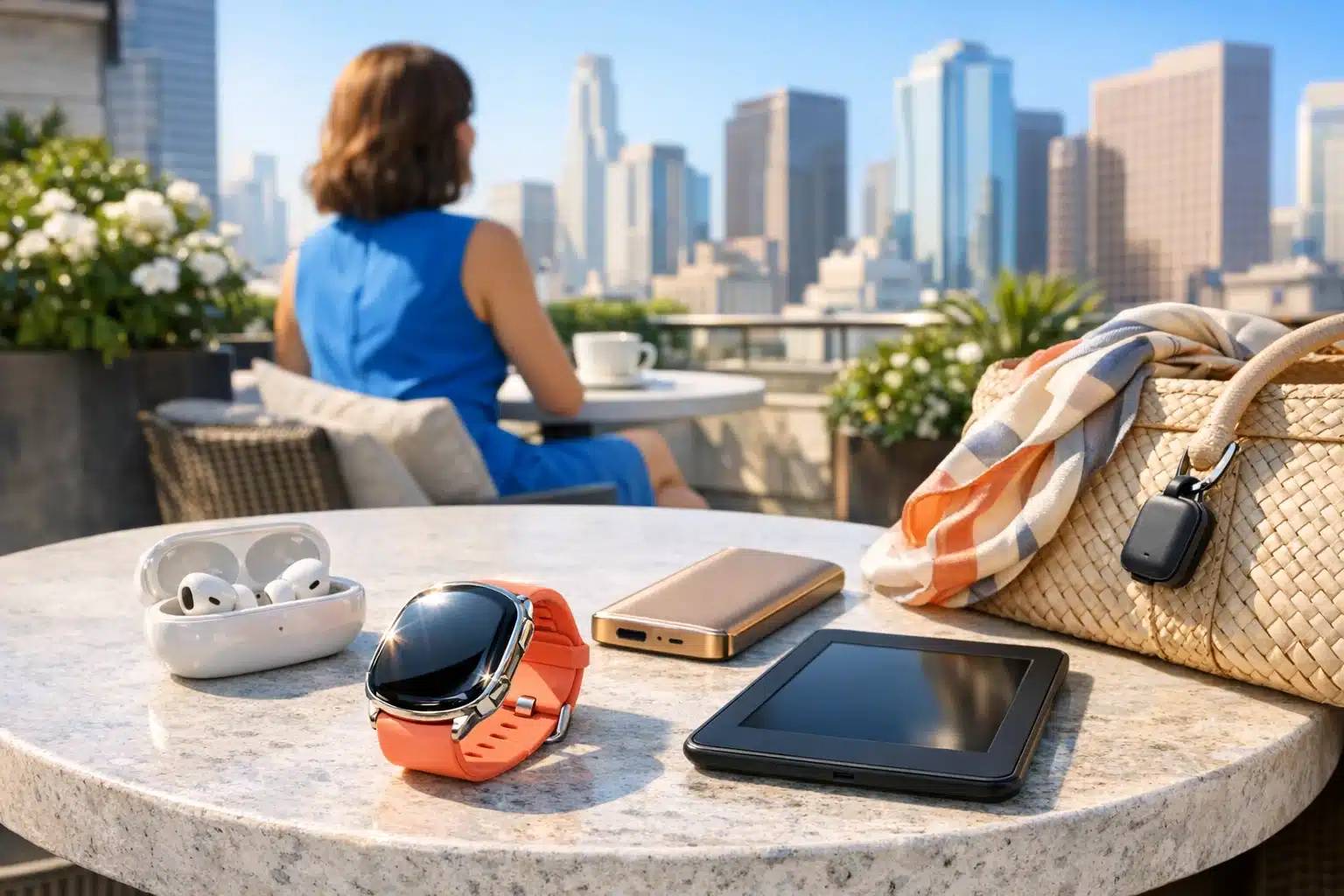
New Gadgets for Women: Smart Shopping Guide
New gadgets aimed at women are no longer limited to pretty colors or novelty extras; the market now includes practical tools for health tracking, work, travel, beauty, and home life. That change matters because buyers are comparing battery life, privacy, comfort, durability, and long-term value rather than appearance alone. Whether you are shopping for yourself or picking a thoughtful gift, the smartest purchase is the one that fits a real routine, a clear budget, and everyday needs.
Outline
- How to separate genuinely useful devices from short-lived trends
- Which wearable gadgets offer the best mix of convenience, comfort, and value
- How beauty and personal care technology compares across price ranges
- What productivity, safety, and everyday carry gadgets deserve attention
- How to choose home, travel, and gift-friendly tech with a realistic budget
1. How to Judge New Gadgets Marketed to Women
The phrase “for women” can be helpful in retail, but it can also be misleading. In the best cases, it points to products designed with smaller wrists, lighter bags, quieter motors, more flexible styling, or routines that combine work, caregiving, exercise, travel, and self-care. In the worst cases, it means an ordinary gadget has been turned pink and marked up. That is why the first step in smart shopping is to ignore the label for a moment and study the function.
A useful gadget should solve a repeat problem. If it saves time every morning, reduces clutter in a handbag, adds safety during a commute, or makes health tracking easier to understand, it has a good reason to exist. If it mostly looks clever in a short video but does not fit into daily habits, it may become expensive shelf decor. The old test still works: can you clearly describe when, where, and how often you will use it?
When comparing products, several factors matter more than marketing language:
- Comfort and fit, especially for wearables and travel gear
- Battery life and charging convenience
- Compatibility with your phone, laptop, or smart home setup
- Privacy settings, app permissions, and data handling
- Warranty terms, repair options, and return policy
- Replacement costs for accessories, heads, blades, filters, or bands
Price should be judged over time, not only at checkout. A device that costs more initially but lasts three years, receives software updates, and still works after regular use can be a better buy than a bargain device that becomes unreliable in six months. This is especially true for smartwatches, premium hair tools, e-readers, and portable power products. A low sticker price can hide frequent replacements, weak batteries, or poor customer support.
Another point often overlooked is ecosystem lock-in. Some gadgets work beautifully only inside one brand’s world. That can be convenient if you already own that brand’s phone, tablet, or headphones. It can also be frustrating if switching later becomes expensive. Before buying, check whether data can be exported, whether accessories are standard, and whether the app remains useful without a subscription.
There is also a social side to shopping that matters more than many product pages admit. Plenty of women buy gadgets not only for themselves but as gifts for mothers, sisters, partners, daughters, and friends. In that case, simplicity becomes part of the value. A beautifully boxed device with confusing setup steps may create more stress than delight. The best gifts are usually the ones that feel intuitive within ten minutes. A good gadget should not demand a small ceremony every time it is turned on; it should quietly earn its place, like a helpful friend who arrives on time and never makes the room feel crowded.
2. Wearables That Blend Health, Style, and Convenience
Wearables remain one of the most active gadget categories because they combine technology with something deeply personal: how a device feels on your body from morning to night. For many women, the best wearable is not simply the most advanced one. It is the one that is comfortable enough to wear consistently, attractive enough to pair with everyday clothing, and useful enough to justify another item that needs charging.
Smartwatches dominate the category for good reason. They can track steps, sleep, workouts, heart rate, notifications, music controls, contactless payments, and in some models even emergency features. For shoppers choosing among Apple Watch, Samsung Galaxy Watch, Fitbit, Garmin, and similar devices, the real difference often comes down to priorities. Apple Watch models usually excel in app support and integration for iPhone users. Samsung’s watches tend to appeal strongly to Android users who want a polished interface. Garmin is often preferred by serious runners and outdoor users because battery life and training metrics are strong. Fitbit still attracts buyers who want straightforward wellness tracking and a gentler learning curve.
Smart rings are a newer alternative and appeal to buyers who want discretion. A ring can feel less distracting than a watch, especially for formal wear, small wrists, or professions where large screens are inconvenient. Many rings focus on sleep, recovery, readiness, and temperature trends rather than deep smartwatch-style interaction. That makes them elegant for passive tracking, but less useful if you want maps, texting, or rich on-screen controls.
Wireless earbuds also belong in this conversation. For commuting, gym sessions, remote work, or simply claiming a pocket of quiet in a noisy day, good earbuds are often more transformative than flashier devices. The strongest buying points are:
- Secure fit for smaller ears
- Reliable microphone quality for calls
- Active noise cancellation for travel or open offices
- Transparency mode for situational awareness
- Case size and charging speed
There are also hybrid devices gaining popularity, such as smart jewelry, posture trainers, and clip-on safety gadgets that sync with a phone. These can be useful, but they need more scrutiny because some solve niche problems and depend heavily on app quality. A beautiful device with poor software can feel like a locked door with a gold handle.
For value, mid-range wearables often make the most sense. A buyer who wants dependable notifications, basic health data, and attractive design does not always need the premium model. Spending more is usually justified only when you need advanced sport metrics, cellular connectivity, richer ecosystem support, or higher-end materials such as sapphire glass and stainless steel. The winning wearable is not the one with the longest spec sheet; it is the one you forget you are wearing until it does something genuinely helpful.
3. Beauty and Personal Care Tech: Which Devices Are Worth the Money?
Beauty gadgets occupy a fascinating corner of the market because they mix practicality, ritual, and aspiration. Some truly reduce effort and improve consistency. Others mostly turn ordinary steps into complicated ones. A smart shopping guide has to separate dependable tools from decorative detours, especially because this category can swing from budget-friendly to remarkably expensive in a single scroll.
Hair tools are often the clearest example of value when chosen well. High-quality hair dryers, multi-stylers, straighteners, and curling tools can reduce styling time, distribute heat more evenly, and offer settings for different hair types. That matters because temperature control is not just a premium feature; it can affect comfort, styling results, and how manageable the routine feels over months of use. Buyers should look for weight, cord length, attachment quality, noise level, and heat settings rather than assuming the most expensive tool is automatically gentler or better. Premium brands may offer faster drying and more polished attachments, but many mid-range models perform very well for everyday styling.
Facial cleansing brushes, sonic toothbrushes, and LED skincare devices need a more measured approach. Sonic toothbrushes have the strongest practical case because they are easy to use, widely available, and supported by a straightforward hygiene routine. Cleansing brushes can feel luxurious, but they are not ideal for everyone, especially if skin is sensitive. LED masks and handheld light devices have become popular, yet shoppers should approach them with realistic expectations. Results, where users notice them, usually depend on consistent use over time, proper instructions, and skin tolerance. They are not magic wands; they are tools that may support a routine when used carefully.
At-home grooming devices, such as epilators, facial hair removers, and certain light-based hair reduction tools, can also be cost-effective compared with repeated appointments. However, compatibility matters. Skin tone, hair color, pain tolerance, maintenance requirements, and safety guidance all affect whether the device will feel empowering or abandoned after a week. Reading the product manual before purchase sounds unglamorous, but it is one of the smartest things a buyer can do.
Some beauty gadgets are better understood as convenience purchases rather than essential ones:
- Mini skincare fridges
- App-connected mirrors with tutorials
- Portable facial steamers for occasional use
- Automatic makeup brush cleaners
These can be enjoyable, especially as gifts, but they often rank lower in daily utility than a durable hair tool, quality lighting for makeup application, or an electric toothbrush. The real question is not whether a device looks clever on a vanity. It is whether it reduces friction in a routine you already follow. When a gadget earns that role, it feels less like clutter and more like a calm assistant waiting at the edge of the sink.
4. Productivity, Safety, and Everyday Carry Gadgets That Make Life Easier
Not every worthwhile gadget sits on a dresser or wraps around a wrist. Some of the most useful devices are the quiet problem-solvers that help during workdays, commutes, and travel. For many women, especially those balancing professional tasks, family logistics, and time outside the home, compact tech can deliver real value without demanding much attention.
Portable chargers are among the easiest wins. A reliable power bank can rescue navigation, ride-hailing, tickets, work calls, and emergency contact all in one afternoon. The best models are not necessarily the highest-capacity bricks; they are the ones small enough to carry comfortably and powerful enough to recharge a phone without drama. Key features include fast charging support, weight, cable type, number of ports, and airline-friendly capacity for travel. Magnetic battery packs add convenience for compatible phones, but traditional wired models often give better value per dollar.
Bluetooth trackers are another category worth considering. Devices from Apple, Tile, Samsung, and other brands help locate keys, bags, wallets, or luggage. For women who carry multiple bags across work, gym, school runs, or weekend travel, a tracker can reduce the small chaos that eats into a busy day. That said, buyers should understand privacy features and anti-stalking protections. Responsible brands have added alerts and scanning tools, and shoppers should favor products that clearly explain those safeguards.
E-readers deserve more praise than they often receive in gadget roundups. They are lighter than carrying multiple books, easier on the eyes than a bright phone screen for long reading sessions, and especially useful for commuting or travel. For readers who buy books regularly, an e-reader can become one of the most-used pieces of personal tech. Storage, screen lighting, waterproofing, and note-taking features distinguish entry-level and premium models. If reading is already part of your week, an e-reader often beats trendier devices in long-term satisfaction.
For work and study, several compact accessories can improve comfort and efficiency:
- Foldable laptop stands for better posture
- Portable keyboards for tablets and phones
- Wireless mice sized for smaller hands
- Webcams or ring lights for remote meetings
- Noise-canceling headphones for concentration
Personal safety gadgets also matter, and this is an area where thoughtful design counts. Personal alarms, flashlight keychains, and emergency contact features built into phones or watches can add peace of mind without becoming intrusive. The best options are quick to activate and simple to understand under stress. Complicated systems, however advanced they look, are often less useful than a loud alarm and a well-configured phone.
There is a special satisfaction in finding a gadget that slides into daily life so naturally it becomes nearly invisible. A good everyday carry device does not ask to be admired. It simply shows up when needed, like an umbrella remembered five minutes before the rain starts.
5. Home, Travel, and Gift-Friendly Picks: A Final Shopping Roadmap
When shoppers look beyond wearables and personal care, they often discover that the smartest gadgets are the ones that make shared spaces, travel plans, and gift choices feel smoother. This final category is broad, but it is also where buying with context matters most. A gadget that is perfect for a frequent flyer may be irrelevant for a homebody, while a device that delights a remote worker may not suit someone who spends little time at a desk.
For home use, practical winners usually include smart speakers, robot vacuums, sunrise alarm clocks, air purifiers, compact label makers, and smart mugs or temperature-control cups. The right choice depends on routine. A smart speaker can help with timers, shopping lists, music, and hands-free questions while cooking or multitasking. A robot vacuum is useful in homes with pets, children, or busy schedules, but floor layout matters; crowded rooms reduce the convenience. Sunrise alarms can be appealing for those who dislike abrupt wake-ups, especially during darker months. Air purifiers may be considered when dust, odors, or seasonal concerns are part of the conversation, though room size and filter cost should always be checked.
Travel gadgets deserve their own short applause because the best ones feel like small acts of mercy. Universal adapters, cable organizers, mini steamers, luggage trackers, compact toiletry tech, and noise-canceling headphones can turn a long trip from tiring to manageable. A travel gadget should earn its weight in your bag. If it is bulky, fragile, or dependent on too many accessories, it may lose its appeal by the second airport transfer.
If you are buying as a gift, it helps to think in lifestyle clusters rather than broad stereotypes:
- For fitness-focused shoppers: smartwatch, smart ring, or quality earbuds
- For beauty lovers: high-performing hair tool or electric toothbrush
- For readers and travelers: e-reader, tracker, or compact charger
- For remote workers: laptop stand, webcam light, or noise-canceling headphones
- For home organizers: smart speaker, label maker, or robot vacuum
Budget is the final filter, and it deserves honesty. Under a modest budget, accessories often bring the most satisfaction because they solve specific problems fast. In the mid-range, buyers can choose excellent earbuds, e-readers, power banks, grooming tools, and entry smartwatches. Premium spending makes the most sense when the gadget will be used daily and replaced slowly, such as a flagship watch, advanced hair tool, or top-tier headphones.
For women shopping for themselves or others, the best gadget is rarely the loudest trend. It is the product that respects time, fits real habits, and keeps being useful after the novelty fades. Buy for the life someone actually lives, not the fantasy version sold in glossy ads. That is where good technology becomes good value, and where a smart purchase starts to feel personal in the best possible way.