3-Night Cruises from Dover
A 3-night cruise from Dover offers a rare mix of ease and atmosphere: you leave an English port after lunch, watch the White Cliffs fade, and by morning the trip already feels like a proper break. For travellers who want a holiday without using a full week of annual leave, these short sailings can be a smart fit. They also suit first-time cruisers, couples after a quick reset, and anyone curious about ship life before booking a longer voyage.
Outline
- The appeal of Dover as a departure port for short cruises
- What a three-night sailing usually includes on board
- Common destinations and itinerary patterns from southeast England
- Budgeting, booking, and preparing for a smooth trip
- Who these cruises suit best, and when another type of break may be better
Why Dover Works So Well for a Three-Night Cruise
Dover is one of the most practical cruise departure points in England for a short sailing, and that practicality matters more on a three-night trip than on a two-week holiday. When time is limited, the journey to the ship becomes part of the value calculation. Dover sits within relatively easy reach of London and the southeast, with rail connections to Dover Priory and road access via the M20 and A2. Fast trains from London can take a little over an hour, while slower routes and car journeys may take longer depending on traffic. That means many travellers can leave home in the morning and still be comfortably on board by embarkation time.
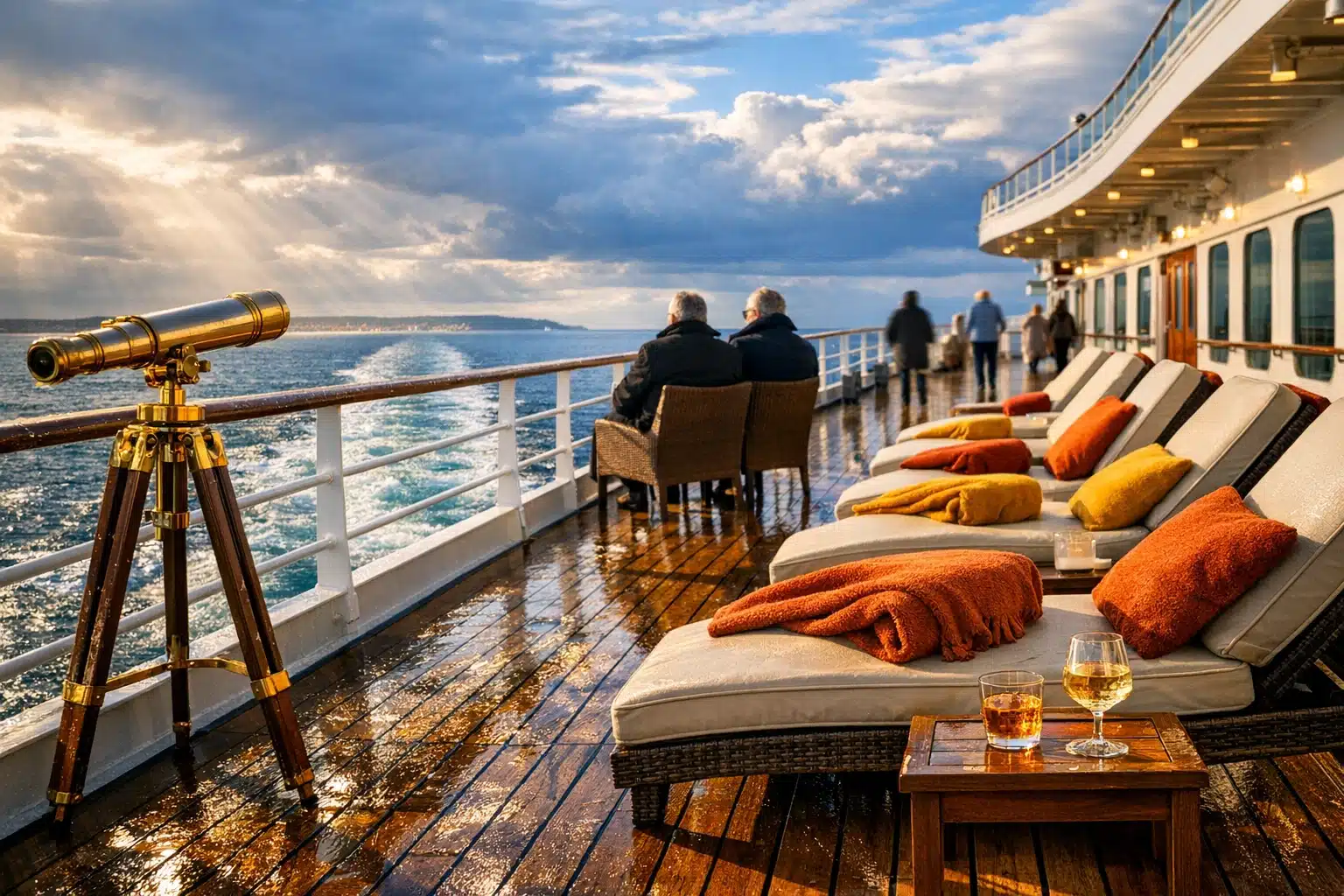
The port also brings a certain drama that suits a short cruise beautifully. Departing beneath the White Cliffs has a cinematic quality that no airport gate can match. Even people who have travelled through Dover many times by ferry often find that leaving by cruise ship feels entirely different. The view is slower, quieter, and somehow more ceremonial. For a holiday that lasts only three nights, those emotional details count. You want the trip to feel distinct from everyday life almost immediately, and Dover usually delivers that shift within the first hour on deck.
Another strength is geographical. Dover is close to northern France, Belgium, and the Netherlands, so ships do not need a full day or more just to reach somewhere interesting. That makes short itineraries more efficient than they would be from some other UK ports. Compared with a three-night cruise from Southampton, for example, a Dover departure can reduce transit time to nearby continental ports. The result is a better balance between time at sea and time ashore.
For many passengers, the appeal is not simply the destination but the shape of the break. A typical three-night sailing from Dover may include:
- an afternoon embarkation and evening departure
- one port call or a scenic sailing segment
- time to explore the ship without feeling rushed
- a final morning return that still leaves part of the day usable
That structure suits people who want a holiday with low friction. There are no long-haul flights, no airport security queues at dawn, and no complicated multi-stop planning. In practical terms, a three-night cruise from Dover often competes less with a major annual holiday and more with a city break, a country-house weekend, or a short spa escape. The difference is that the hotel moves, the view keeps changing, and the route itself becomes part of the entertainment.
What to Expect On Board During a Three-Night Sailing
A short cruise lives or dies by rhythm. On a longer voyage, passengers have time to discover the ship gradually, test different venues, and settle into a comfortable routine. On a three-night trip, things move faster. That is not a flaw; it is part of the charm. From the moment you board, the ship encourages you to switch modes quickly. Bags arrive, the safety drill happens, the first drink appears somewhere near an open deck, and before long the coastline is slipping behind you. The experience can feel like stepping into a compact version of a larger holiday.
Most ships sailing short itineraries from Dover provide the same core elements found on longer cruises: a cabin, several dining options, lounges and bars, theatre-style entertainment, and shared spaces such as pools, spas, gyms, or observation areas. What changes is how you use them. With only three nights available, many travellers become more selective. Rather than trying everything, it makes sense to choose two or three experiences you care about most and build around them.
Cabin choice matters, but not always in the way first-time cruisers expect. On such a brief trip, an inside cabin can be perfectly reasonable if your priority is value and you plan to spend most of your waking hours elsewhere. A sea-view or balcony cabin adds atmosphere, especially on departure and arrival days, but the price difference may not feel worthwhile to everyone. Couples often lean toward balconies for the private outdoor space; budget-conscious travellers may prefer to spend the difference on drinks, excursions, or a later booking of a longer cruise.
Dining is usually a major part of the appeal. Even on a short cruise, the variety can feel generous. Depending on the line, you might have a main dining room, buffet options, cafés, and one or more specialty venues. Because the trip is short, passengers often treat dinner as part of the event rather than simply a meal. Smart-casual evenings, live music in the background, and the slow shift from daylight to sea-darkness can make a simple dinner feel more memorable than its ingredients alone would suggest.
It helps to go on board with realistic expectations:
- You will not see every venue or attend every show.
- You may need to reserve popular dining times or spa slots early.
- Sea days can feel surprisingly full, even without a packed itinerary.
- Entertainment quality varies by ship and cruise line, so research helps.
Compared with a hotel weekend, a short cruise offers more built-in variety. Compared with a week-long cruise, it offers less downtime. That makes these sailings especially appealing to travellers who enjoy movement, novelty, and a touch of theatricality. If your idea of relaxation means doing very little in one place for days, a land-based break may suit you better. If you like waking up in a new mood each day, a three-night cruise can be an excellent fit.
Typical Destinations and Itinerary Styles from Dover
When people first look at short cruises from Dover, the obvious question is where the ship can realistically go in only three nights. The answer depends on season, operator, and current schedule design, but the most common pattern is a northern European mini-break. Because Dover sits so close to the continent, ships can reach nearby ports overnight rather than spending two full days crossing open water. That geography is the foundation of the whole concept.
Common itinerary styles include a single port call in Belgium, the Netherlands, or northern France, or a short sampler cruise with mostly onboard time and a scenic departure-and-return emphasis. Some sailings are designed around a city experience, where the ship acts almost like a floating hotel with entertainment attached. Others are sold more as a taste of cruising itself, aimed at travellers who care less about destination depth and more about atmosphere, dining, and seeing whether ship life suits them.
Ports associated with short Dover cruises may include gateways rather than postcard-perfect old harbours. That is worth understanding before booking. A stop in Zeebrugge, for example, is often really about accessing Bruges; Rotterdam may be the draw rather than the port approach itself; and some Dutch or French options function as practical entry points to a wider region. In other words, the name on the itinerary may not tell the full story. Looking at transfer times and shore options is essential on a compact trip because a long coach journey can consume a large share of your day ashore.
Compared with longer cruises, destination time is naturally limited. You may have six to ten hours in port rather than a leisurely overnight stay. That makes planning more important. A self-guided wander works well in walkable towns, while a cruise-line excursion can be useful when travel distances are longer or return timing is tight. The right choice depends on how comfortable you are navigating independently and how much margin the schedule leaves.
Season also shapes the experience. Spring and summer generally offer longer daylight, a brighter sail-away, and milder conditions for deck time. Autumn sailings can be moodier, which some travellers love: steel-grey water, brisk air, and the kind of horizon that makes a hot drink feel like part of the scenery. Weather in the Channel and North Sea can change quickly, so flexibility helps. A short cruise is not the place to insist on Mediterranean-style lounging.
When comparing options, consider these questions:
- Do you want a destination-led trip or a ship-led trip?
- Is the port actually close to the place you most want to visit?
- Would you prefer one meaningful stop or more sea time?
- Does the sailing date match the kind of weather you enjoy?
In that sense, the smartest way to read a three-night Dover itinerary is not as a list of places alone, but as a balance of transit, atmosphere, and usable time. The closer the ship can get you to the mood you want, the better the itinerary usually is.
Costs, Booking Strategy, and Practical Preparation
The financial appeal of a three-night cruise from Dover is easy to understand, but value depends on how carefully you read the details. Short cruises often look attractively priced at first glance because the lead-in fare may cover accommodation, main meals, and standard entertainment. For many travellers, that core package already compares well with a weekend hotel stay in a major city. Still, the headline figure is only the start. Once you add drinks, parking, gratuities where applicable, Wi-Fi, specialty restaurants, and any shore excursions, the final cost can climb quickly.
As a broad rule, entry-level fares for short sailings often begin in the low hundreds of pounds per person for inside cabins, especially on quieter dates or promotional offers. Balcony cabins, premium brands, and peak-season departures can cost noticeably more. Suites, of course, move into a completely different budget range. The key is not to ask whether a cruise is cheap, but whether it gives you the mix of convenience and experience you personally value. A modestly priced cruise with expensive add-ons may work out less appealing than a slightly higher base fare that includes more.
There are several ways to book intelligently. First, compare what is actually included line by line. Some fares include selected drinks, tips, or shuttle services; others strip everything back. Second, think about timing. Off-peak dates can be better value, and late deals sometimes appear, though relying on them is risky if you need specific travel arrangements. Third, research the ship itself. On a short cruise, the vessel matters at least as much as the port call because you will spend a large share of the holiday on board.
Preparation is refreshingly straightforward, but it still deserves attention. Dover is easy enough to reach, yet departure day goes more smoothly when logistics are settled in advance. You may need to plan:
- rail travel to Dover Priory and the onward transfer to the terminal
- port parking if you are driving
- passport validity and any cruise documentation
- travel insurance, even for a brief break
- a small day bag for embarkation before checked luggage arrives
Packing for three nights is pleasantly simple. Comfortable daytime clothing, one or two evening outfits that match the ship’s dress guidance, good walking shoes for a port day, weather-ready outerwear, and basic chargers will cover most situations. Overpacking is common because people imagine a cruise requires endless outfit changes; in practice, compact and versatile clothing works better, especially if you are travelling by train.
One final point is often overlooked: embarkation and disembarkation still take time. A short cruise is not three uninterrupted days of leisure from the second you leave home. Build in margin, keep expectations sensible, and the trip feels smooth rather than hurried. That mindset turns a compact sailing into something more elegant than rushed.
Who Should Book a 3-Night Cruise from Dover? A Practical Conclusion
The ideal passenger for a three-night cruise from Dover is not simply someone who likes travel. It is someone who values efficiency, enjoys a bit of occasion, and does not need a long itinerary to feel refreshed. These sailings are especially well suited to first-time cruisers who want a low-commitment introduction. You can sample cabins, dining, entertainment, and the general pace of ship life without dedicating a week or more to the experiment. If you discover that cruising is not for you, the lesson is short and relatively affordable. If you love it, you leave with a clearer sense of what to book next time.
Couples also tend to get a lot from this format. A Friday-to-Monday style escape, or any similar long-weekend pattern, can feel far more distinctive than a standard hotel stay because the setting keeps shifting. Sail-away drinks, sea views at breakfast, and a smart dinner after a day ashore can turn a brief break into something with texture and memory. Solo travellers may enjoy it too, though they should compare single supplements carefully, as pricing can vary significantly. Groups of friends often like short cruises because planning is easier: one booking, built-in food options, and shared spaces that allow people to split up and reconvene without much effort.
There are, however, travellers for whom this format may be less satisfying. If your priority is deep cultural exploration, museum-hopping from morning to dusk, or lingering in a destination after dark, a three-night cruise may feel too compressed. The same goes for travellers who dislike fixed dining times, prefer absolute flexibility, or are sensitive to motion at sea. And if your dream holiday involves hot-weather pool days, Dover’s short northern routes may not match that vision.
Before booking, ask yourself what you really want from the break:
- a first look at cruise life
- a convenient no-fly weekend away
- a romantic short escape with minimal planning
- a practical test before investing in a longer voyage
If one of those goals sounds familiar, a three-night cruise from Dover can be an excellent choice. It compresses transport, accommodation, dining, and entertainment into a tidy package, while still delivering that pleasant travel sensation of leaving one world behind and entering another. For busy professionals, curious first-timers, and weekend travellers who want more atmosphere than a standard short stay can offer, it remains one of the most efficient ways to make a few free days feel properly used. The trip may be short, but the change of scene is real, and sometimes that is exactly enough.