5-Night Cruise from Southampton to Amsterdam and Rotterdam
Short cruises have become increasingly popular because they compress transport, accommodation, dining, and sightseeing into one easy booking, and this Southampton-to-Netherlands sailing is a prime example. Over five nights, travelers can enjoy the structure of a classic cruise while still keeping holiday time and spending under reasonable control. The itinerary is especially relevant for UK-based guests who prefer to avoid airport queues, luggage restrictions, and multi-stop planning. It may look brief on paper, but it can cover a remarkable amount of ground.
Outline:
1. Why this route works so well for a short break and what the overall journey usually looks like.
2. What life on board feels like during a five-night cruise, from cabins to entertainment.
3. How to make limited shore time count in Amsterdam without trying to do everything at once.
4. Why Rotterdam adds a different kind of Dutch experience through architecture, food, and maritime culture.
5. How to budget, pack, and decide whether this sailing is the right fit for your travel style.
Why This 5-Night Route Has Strong Appeal
A 5-night cruise from Southampton to Amsterdam and Rotterdam occupies a useful middle ground between a long holiday and a simple weekend break. It is long enough to feel like a real trip, yet short enough to fit around work schedules, school calendars, and limited annual leave. That practical advantage matters more than many first-time cruisers expect. Instead of losing half a day to airport transfers, baggage rules, and security queues, passengers can arrive at Southampton, check in, and begin the trip with far less friction. For many travelers in the UK, that simplicity is one of the biggest selling points.
The itinerary also works because the destinations complement each other. Amsterdam is famous for its canal belt, gabled houses, major museums, and compact historic center. Rotterdam offers a striking contrast, with bold modern architecture, wide waterfront views, and a reputation as one of Europe’s most important port cities. In other words, this is not a cruise where both port calls feel interchangeable. One city leans into atmosphere and heritage; the other projects energy, reinvention, and design. That contrast gives the voyage more depth than the short duration might suggest.
Most sailings follow a rhythm that feels intuitive even to beginners: embark at Southampton, enjoy time at sea, visit Amsterdam and Rotterdam, then return. Some schedules allow a late stay or overnight in Amsterdam, while others keep port calls shorter and more structured. Exact timing varies by cruise line, tide conditions, and docking arrangements, so travelers should always read the itinerary notes carefully. Amsterdam calls, for example, may involve docking close to the city center or using transfer arrangements if the ship berths outside the core tourist area.
There is also a seasonal advantage. These cruises are often popular in spring, summer, and early autumn, when the North Sea is generally more inviting for deck walks and the Dutch cities are lively without always feeling overwhelmingly hot. Weather can still change quickly, and part of the charm lies in that shifting maritime mood: one hour the horizon looks polished and silver, the next it is swept with wind and gulls.
For travelers weighing their options, the strongest arguments in favor of this route usually include:
• no flights required for many UK guests
• two culturally distinct Dutch cities in one trip
• enough onboard time to experience cruise life without committing to a long voyage
• a manageable introduction for first-time cruisers
Put simply, this itinerary succeeds because it combines convenience with variety. It is short, but it does not feel thin. It is easy, but it still feels international. That balance is exactly what many modern travelers are looking for.
What Life on Board Feels Like Over Five Nights
One reason this itinerary attracts both newcomers and repeat passengers is that five nights is enough time to understand the basic rhythm of cruising. You unpack once, learn the layout of the ship, settle into your cabin, and quickly develop small routines: coffee on deck, lunch after a morning walk, evening shows, or a slow drink while the coastline fades behind the stern. That sense of easy repetition is part of the appeal. A ship can feel like a floating hotel, but on a well-run sailing it also becomes a moving neighborhood with restaurants, entertainment spaces, lounges, and observation points all within a few minutes’ walk.
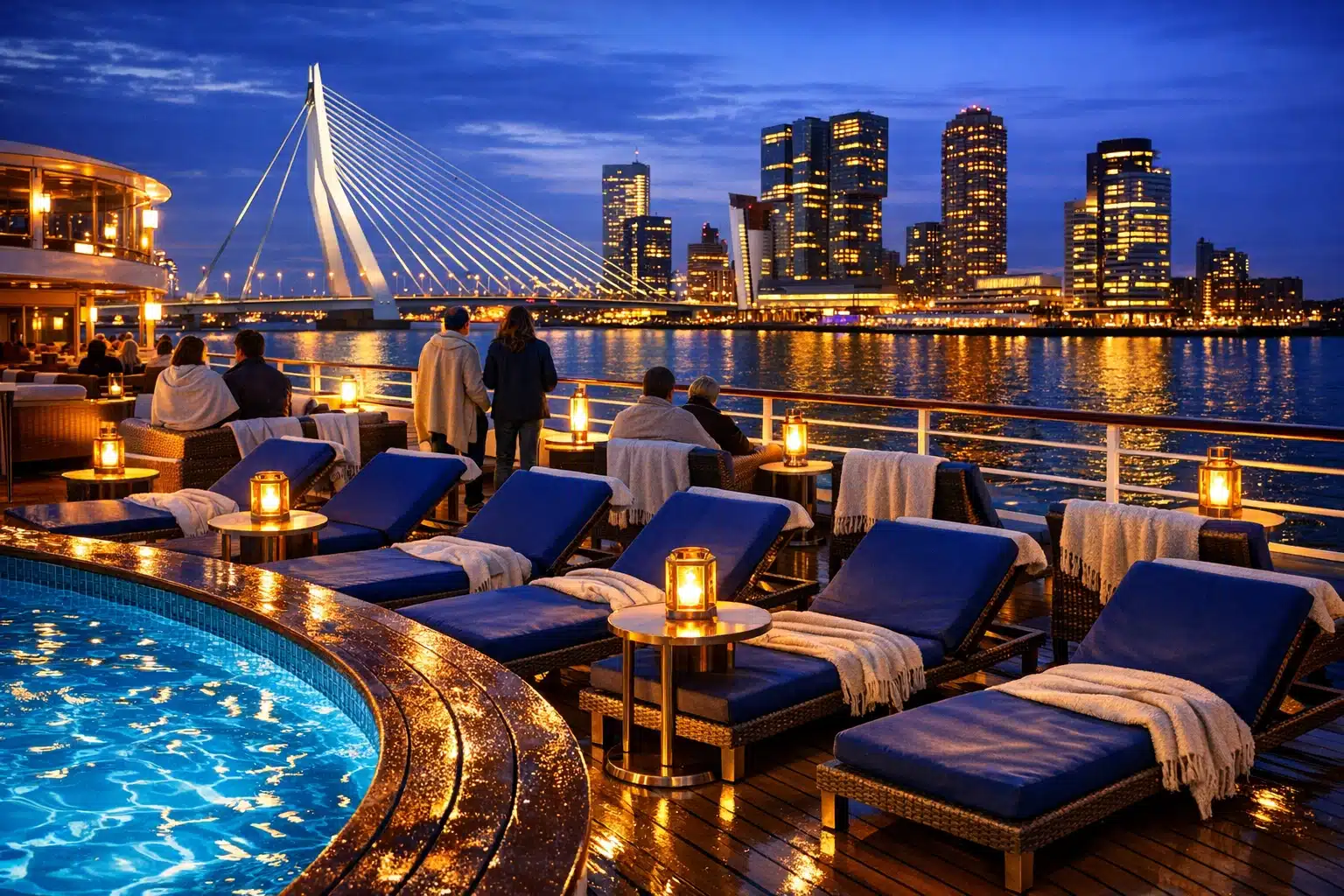
Cabin choice affects the experience more than many first-timers assume. Inside cabins can be a sensible value option on a short trip because you may spend most of your time in public areas or ashore. Ocean-view cabins add natural light and a visual connection to the journey, which can be especially enjoyable on North Sea routes where the weather and color of the water change constantly. Balcony cabins bring a quiet luxury of their own: stepping outside with a blanket and watching the ship approach port can be one of the most memorable moments of the cruise.
When comparing cabin categories, travelers usually think about:
• budget versus comfort
• how much time they expect to spend in the room
• sensitivity to motion, which may make a midship cabin on a lower deck feel steadier
• whether private outdoor space matters on a cool-weather route
Dining is another major part of the onboard experience. Most fares include access to main dining rooms, buffet venues, and casual food options, though specialty restaurants often cost extra. On a five-night cruise, passengers can usually sample enough variety without feeling pressured to reserve every premium venue. Breakfast might be quick and practical before a port day, while dinner can turn into a proper event with multiple courses and a slower pace. The atmosphere often shifts noticeably after dark. Short cruises can feel lively, with strong attendance at theater shows, live music sets, quizzes, themed evenings, comedy acts, or late-night lounges.
Sea time matters too. Even on an itinerary built around ports, there is value in having a day or part of a day with nowhere to be. That pause creates the contrast that makes shore visits more enjoyable. A museum feels sharper after a relaxed morning at sea; a city walk feels more vivid after breakfast with open water all around. If you are new to cruising, this is when the concept usually clicks. The ship is not just transport. It is part of the holiday itself.
For families, couples, friends, and solo travelers, the social tone will vary by cruise line and departure date. Some sailings are quieter and more traditional, while others have a weekend-break energy. Reading reviews, checking the line’s style, and understanding what is included can help match expectations with reality.
Making the Most of a Day in Amsterdam
Amsterdam is one of those cities that can tempt visitors into overplanning. There is so much to see that many people arrive with a list too long for a two-day stay, let alone a cruise stop. The smartest approach is to accept the limits of the schedule and focus on one or two priorities. That way the city feels immersive rather than rushed. Whether your interests lean toward art, canals, food, or history, Amsterdam rewards selective curiosity far better than frantic box-ticking.
If your ship docks close to central Amsterdam, you may be able to reach key areas quite quickly. If it berths farther out, cruise lines often arrange transfers, or local transport may fill the gap. Either way, start by confirming the all-aboard time and allowing a healthy buffer for the return journey. Amsterdam is compact in many respects, but crowds, queues, and tram connections can still affect timing. A city-center arrival makes it easier to explore the canal belt, Dam Square, the Jordaan district, and museum areas with reasonable efficiency.
For culture-focused visitors, the museum quarter is a natural draw. The Rijksmuseum offers Dutch masters and wide historical range, while the Van Gogh Museum provides a more concentrated experience. The Anne Frank House is one of the city’s most meaningful sites, but timed entry is essential and tickets often need to be booked well in advance. A cruise stop is not the moment for hopeful spontaneity if that site is high on your list.
A more relaxed itinerary might look like this:
• begin with a canal cruise of about an hour to get geographic bearings
• continue on foot through the Jordaan or Nine Streets for shops, bridges, and cafés
• stop for Dutch snacks such as stroopwafels, fries, or herring if you are feeling adventurous
• leave room to simply wander, because Amsterdam often shines brightest in the spaces between landmarks
The city’s atmosphere is a major part of the experience. Bicycles stream past with calm confidence, water catches light between rows of historic houses, and even a short walk can deliver postcard-worthy angles. Yet Amsterdam is not only pretty. It is also a working city, and visitors do better when they move with awareness and patience. Watch cycle lanes carefully, carry a contactless payment option, and avoid trying to cross too much ground in one day.
What makes Amsterdam such a strong cruise destination is its ability to offer instant character. Some port cities need time to reveal themselves; Amsterdam announces its identity almost immediately. Even with limited hours, you can leave feeling that you touched something genuine, whether that was a painting, a canal reflection, a market snack, or a quiet lane where the city seemed to exhale around you.
Why Rotterdam Brings a Valuable Contrast
If Amsterdam is the graceful face of Dutch urban history, Rotterdam is the city that shows how the Netherlands thinks forward. For cruise passengers, that contrast is not just pleasant; it is one of the best reasons to choose this itinerary in the first place. Rotterdam does not rely on canal-house nostalgia. Its identity comes from architecture, trade, engineering, and reinvention. After the destruction of much of the city center during the Second World War, Rotterdam rebuilt in ways that made modern design part of its character. The result is a city that feels broad, open, and visually surprising.
Many visitors begin near the waterfront or central transport links, then branch outward to landmarks such as the Erasmus Bridge, Markthal, the Cube Houses, and the maritime areas that reflect Rotterdam’s deep connection to shipping. Even a simple walk reveals a different urban language from Amsterdam. Buildings are taller, streets are wider, and the skyline has a confidence that feels almost cinematic in good weather. If Amsterdam invites a slow meander, Rotterdam often encourages you to look up and keep moving.
For architecture and city-planning enthusiasts, Rotterdam can be the highlight of the cruise. The Markthal combines food culture with striking interior design. The Cube Houses remain a conversation starter decades after they were built. The Erasmus Bridge gives the riverfront a dramatic visual anchor, while water taxis add both practical transport and a bit of fun. Travelers interested in port history may also appreciate museums and harbor tours that explain how Rotterdam became one of Europe’s major maritime gateways.
Useful ways to shape a Rotterdam port day include:
• taking a harbor or river cruise to understand the scale of the port environment
• pairing modern landmarks with a museum stop for context
• using public transport or walking strategically rather than drifting without a plan
• leaving time for lunch in a food hall or waterside district, where the city’s everyday energy becomes more visible
Rotterdam also tends to be less romantically mythologized than Amsterdam, and that can be refreshing. You may find fewer expectations weighing on the experience. Instead of chasing a familiar image, you get to discover the city on its own terms. That might mean street art, a striking station concourse, innovative housing, or the sight of cranes and river traffic folded into the urban landscape. It is a place that rewards observation rather than nostalgia.
From an itinerary-design perspective, Rotterdam strengthens the cruise because it broadens the story. Without it, a short Netherlands sailing could risk feeling overly centered on one famous city. With Rotterdam included, the trip gains texture. You see not only the historic and picturesque side of the country, but also its commercial ambition, design confidence, and maritime scale. For travelers who like variety, that is a major advantage.
Planning, Budgeting, and Final Thoughts for the Right Traveler
A short cruise can look inexpensive at first glance, but the real value depends on understanding what is included and where extra costs appear. The base fare usually covers your cabin, main meals, and a large portion of onboard entertainment. That already bundles together several expenses you would otherwise price separately on a city break. However, travelers should still budget for drinks outside basic packages, specialty dining, Wi-Fi, gratuities if not prepaid, shore excursions, travel insurance, parking at Southampton, and purchases in port. A low headline fare can remain excellent value, but only if you price the full picture rather than the brochure front page.
Packing well also improves the trip. North Sea weather is famously variable, and even in warmer months a breezy deck can feel cooler than expected. Layers are far more useful than one heavy outfit. Comfortable walking shoes matter because both Amsterdam and Rotterdam reward exploring on foot, though public transport can reduce the strain. A waterproof jacket, portable charger, day bag, passport, and any required travel documents should sit near the top of the essentials list. If you enjoy smart evening dining, check the cruise line’s dress expectations before departure rather than guessing.
A practical packing checklist often includes:
• layered clothing for wind, light rain, and changing temperatures
• comfortable shoes with decent grip
• medications and copies of important booking details
• a small umbrella or light waterproof outer layer
• a reusable water bottle if permitted by the cruise line
• a card or payment method suited to travel ashore
So who is this cruise best for? It suits first-time cruisers who want to test whether life at sea appeals to them without committing to a long voyage. It suits couples looking for a compact escape, friends who enjoy a mix of social evenings and sightseeing, and busy professionals who want maximum convenience from limited holiday days. It can also work well for older travelers who prefer simpler logistics and fewer hotel changes. On the other hand, travelers who want deep immersion in each city may find the schedule too brief. If your dream is to spend days inside museums, neighborhoods, and local restaurants, a land-based trip may offer more depth.
For the target audience of short-break travelers, that is the central conclusion: this cruise is best viewed as a sampler with real substance, not a substitute for a long Dutch tour. It offers ease, comfort, and enough cultural contrast to feel rewarding, especially for passengers departing from the UK. If your priority is convenience without sacrificing interest, this route makes a strong case for itself. And if the sea air, the shipboard routine, and the glimpse of two Dutch cities leave you wanting more, that may be the finest outcome of all: a brief journey that opens the door to a longer one.