3-Night Mini Cruises Around the UK for Seniors Over 60
Introduction and Article Outline
Three-night mini cruises around the UK offer something many travellers over 60 value more than flashy extras: ease. In just a few days, you can enjoy sea views, good meals, light entertainment, and a change of scene without flights or exhausting transfers. These short sailings matter because many retirees want affordable breaks that still feel special and easy to manage. Choose well, and one compact itinerary can bring comfort, confidence, and a fresh look at coastal Britain.
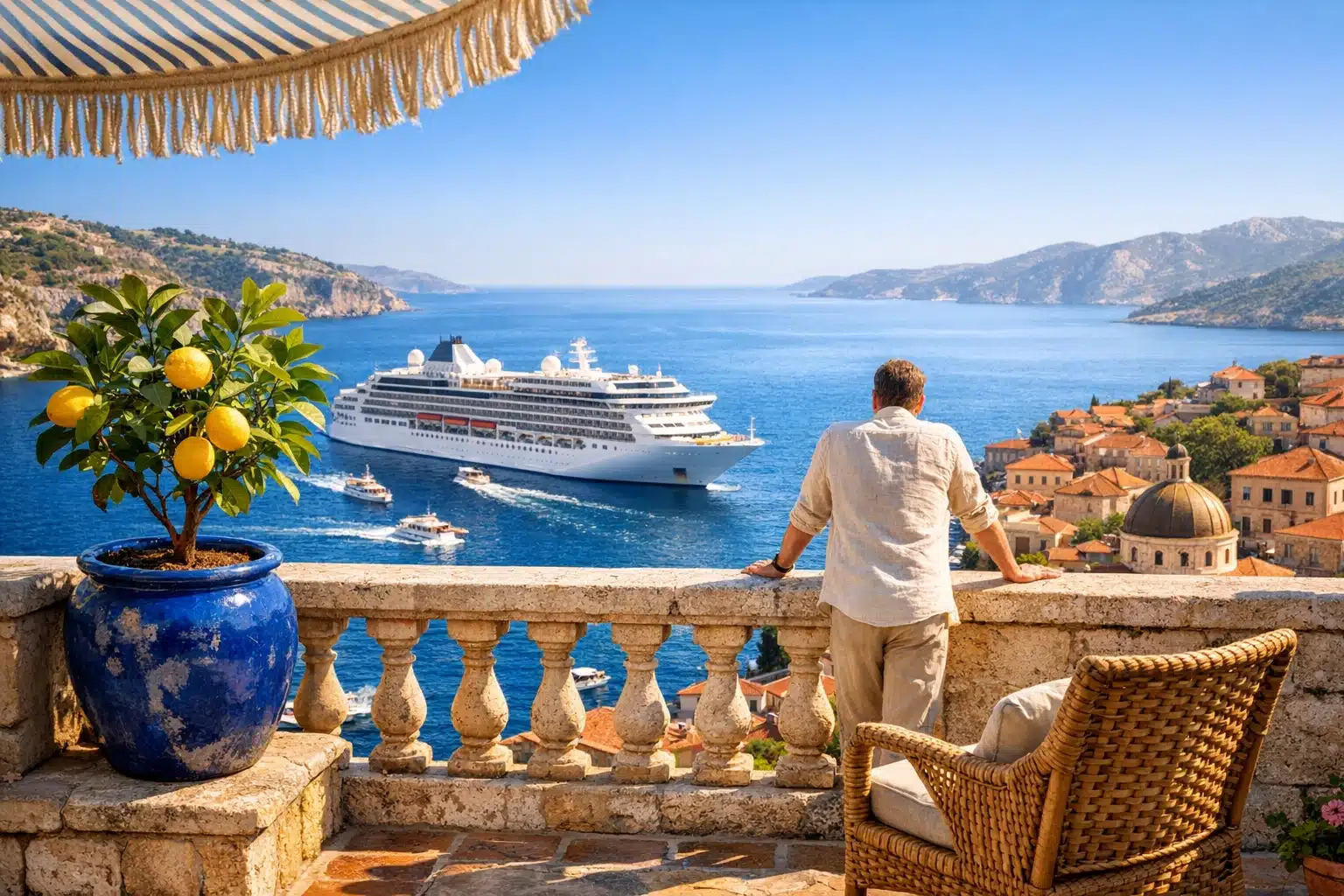
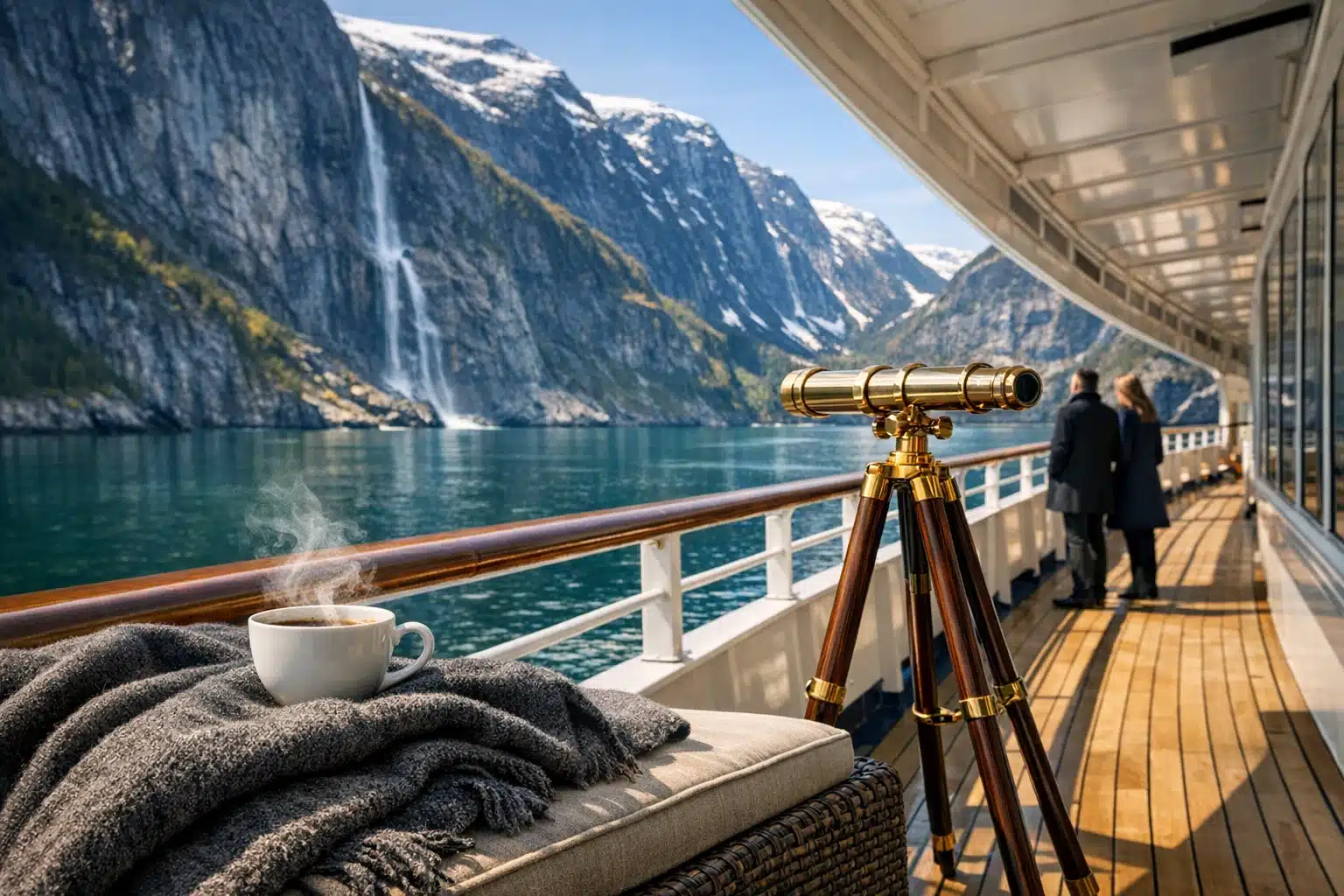
For many older travellers, the appeal is clear. A long holiday can be wonderful, but it also asks more of your energy, budget, and planning. A shorter cruise keeps the pleasure while trimming the strain. You board once, unpack once, and let the ship do the moving. That is a practical advantage at any age, but after 60 it often becomes a meaningful one. Instead of spending half the trip in airports, coach queues, or train changes, you can settle into a cabin, have a cup of tea on deck, and watch the coastline slip by like pages turning in a well-loved travel diary.
This topic is especially relevant because the UK cruise market has broadened in recent years. Cruise lines now schedule more short sampler sailings, repositioning trips, and seasonal breaks from ports such as Southampton, Liverpool, Newcastle, Portsmouth, and Tilbury. These voyages often attract first-time cruisers, couples looking for an easy getaway, solo travellers who want a sociable setting, and retirees who prefer convenience over constant movement. They can also work well for grandparents who want a break that feels indulgent without becoming tiring.
Outline of this article:
• Why a 3-night cruise often suits over-60 travellers better than a rushed city break
• Which UK departure ports and itinerary styles are usually the easiest and most rewarding
• What fares tend to include, where extra costs appear, and how cabin choices affect comfort
• How to plan for mobility, health, packing, weather, and embarkation with confidence
• A final summary focused on choosing a short sailing that feels enjoyable rather than demanding
The goal here is not to promise a perfect holiday. No trip is perfect. Weather can turn, ports can change, and not every ship suits every personality. Instead, this guide offers a realistic and detailed look at how three-night cruises around the UK can fit the needs of seniors over 60, especially those who want comfort, manageable travel, and a holiday that feels refreshing rather than complicated.
Why 3-Night Cruises Often Work So Well for Travellers Over 60
A three-night cruise sits in a sweet spot between a day trip and a full holiday. It is long enough to feel like a proper break, yet short enough to avoid the fatigue that sometimes comes with week-long travel. For seniors over 60, that balance can be one of the biggest advantages. You get the change of pace, the onboard dining, the evening music, and the simple pleasure of waking somewhere different, without committing to a long itinerary that may become physically or financially demanding.
Compared with a traditional weekend city break, a cruise can also reduce the number of moving parts. A hotel-based short break usually involves dragging luggage through stations, checking in and out, finding restaurants, arranging taxis, and walking more than expected. On a ship, much of that friction disappears. Meals are nearby, entertainment is built in, and staff are used to helping passengers with questions, directions, and practical needs. That kind of structure is not restrictive; for many people, it is relaxing.
There is also a social benefit. Travellers over 60 often say they want a holiday that feels lively without being chaotic. Short cruises can provide that middle ground. You might spend the afternoon listening to a pianist, join a quiz, attend a theatre-style show, or simply sit by a window with a book while the sea does the storytelling. If you enjoy meeting people, there are easy conversation points everywhere. If you prefer privacy, you can retreat to your cabin or a quieter lounge. The ship gives you choice without forcing a schedule.
Another reason these sailings work well is accessibility. While every vessel is different, many cruise ships offer lifts, step-free public areas, assistance at embarkation, and cabins designed for reduced mobility. That does not mean every cruise is ideal for every health condition, and it is always wise to ask detailed questions before booking. Still, compared with holidays that depend on long walking routes or frequent hotel changes, a short cruise can be gentler on knees, backs, and energy levels.
There are financial advantages too. Because the trip is short, the total cost can be easier to justify, especially for travellers on a retirement budget. A three-night fare often bundles accommodation, standard meals, and entertainment into one price. That makes it simpler to compare with a land holiday. You may still pay extra for drinks, parking, excursions, or specialty dining, but the core package is often straightforward.
In simple terms, these cruises work because they offer comfort, rhythm, and a manageable dose of novelty. They feel like a holiday, not a logistical exam. For many seniors, that is exactly the point.
Popular UK Departure Ports and the Best Types of Mini-Cruise Itineraries
When people imagine a cruise, they often picture faraway islands or long ocean crossings. A three-night sailing around the UK is different. It is more like a concentrated coastal tasting menu: a little scenery, a little port time, a little life at sea. The smartest choice usually starts with the departure port, because the easier it is to reach the ship, the more enjoyable the whole break becomes.
Southampton is one of the most common departure points and often the most practical for travellers in southern England. It has good rail connections, plenty of nearby hotels, and a long-established cruise infrastructure. If you want the smoothest possible start, Southampton frequently appears near the top of the list. Tilbury can be useful for those near London and the South East, though transfer planning matters more. Liverpool is attractive for passengers in the North West because it can remove the need for a long pre-cruise train journey. Newcastle and nearby North East ports suit travellers from northern England and parts of Scotland, especially if avoiding travel to the south coast is a priority.
Typical three-night itineraries vary, but they often fall into a few broad patterns:
• A scenic sampler with one port call and one sea day
• A short British Isles route that includes a city stop such as Belfast or Greenock for Glasgow access
• A coastal cruise focused more on the onboard experience than intensive sightseeing
• A repositioning or seasonal break where the exact route matters less than the overall value
For seniors, the best itinerary is not always the one with the most stops. In fact, a voyage with one carefully chosen port can be more comfortable than a packed schedule. Belfast, for example, can offer a manageable mix of city sightseeing and organised shore tours. Greenock may appeal to those who want Scottish scenery and the option of a coach excursion. Some routes focus heavily on the pleasure of being at sea, and that can be ideal for first-time cruisers who mainly want to test whether ship life suits them.
It is also worth looking closely at docking arrangements. Not every port allows the ship to berth directly alongside a terminal. Some stops require tender boats, which can be less convenient for passengers with limited mobility or balance concerns. If easy access matters, ask whether the ship docks pier-side and whether shuttle buses are provided. Cruise lines generally explain this closer to departure, but travel agents and cruise specialists can often identify likely concerns in advance.
Season matters too. Spring and early autumn can bring good value and lighter crowds, but weather around the British coast is famously changeable. Summer often offers calmer conditions and longer daylight, though prices may rise. The best route is usually the one that combines an easy departure, a realistic port day, and enough sea time for the ship itself to feel like part of the holiday rather than merely transport.
Costs, Value, and Choosing the Right Cabin for Comfort
Price is often the first question, and understandably so. One of the strengths of a 3-night cruise is that it can look indulgent while remaining surprisingly controllable in cost. As a rough guide, many short UK sailings begin somewhere around the low hundreds of pounds per person for an inside cabin outside peak periods, while balcony cabins and premium grades can cost notably more. Fares vary by cruise line, departure port, booking date, and season, so exact prices shift constantly, but the useful comparison is not the headline figure alone. It is what that figure actually includes.
In many cases, the base fare covers:
• Your cabin accommodation
• Main dining room or buffet meals
• Tea, coffee, and some basic drinks in selected venues
• Evening entertainment such as live music, shows, or quizzes
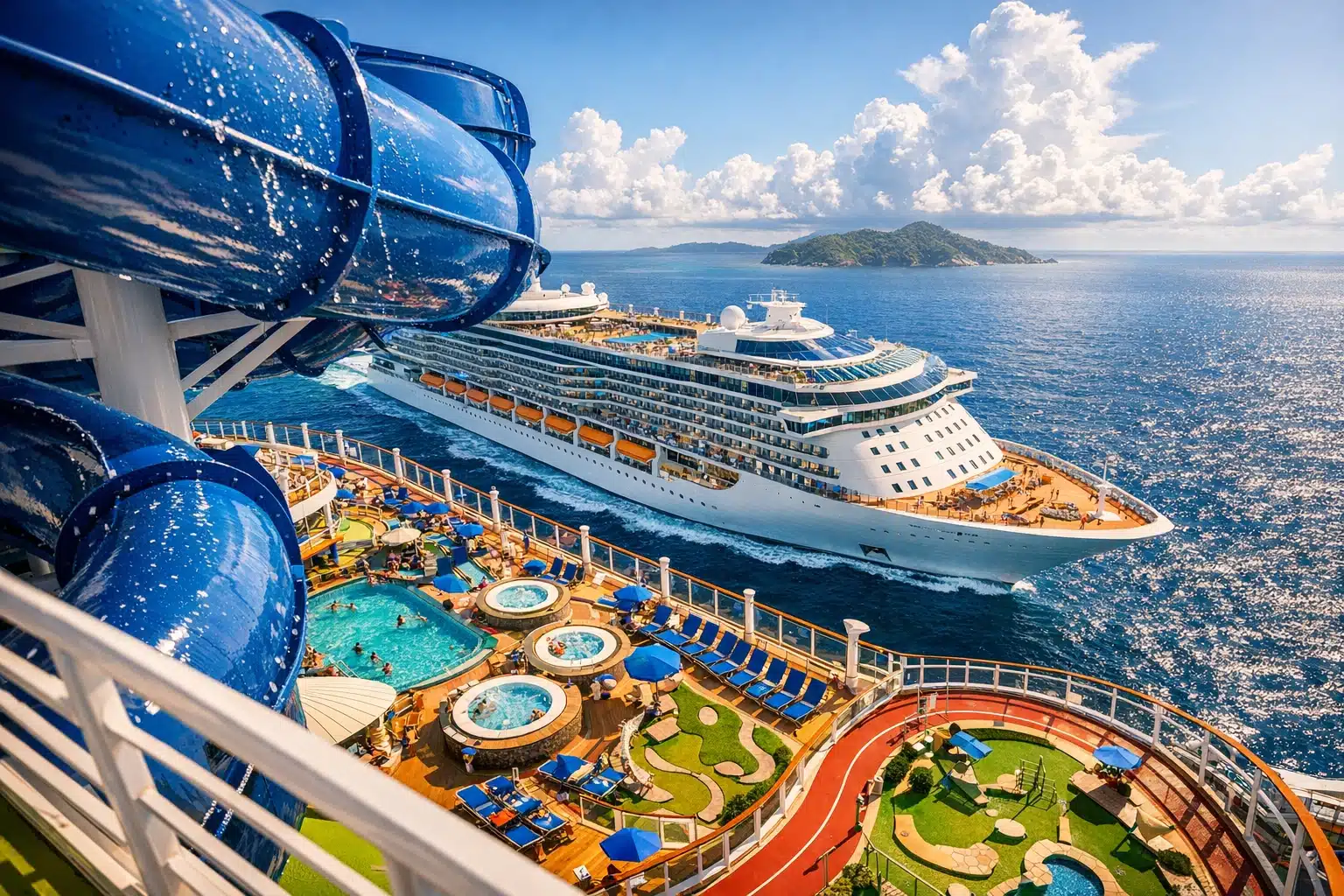
• Use of many shared facilities on board
What often sits outside the fare is just as important. Drinks packages, gratuities on some lines, specialty restaurants, spa treatments, shore excursions, car parking, and travel insurance can add up quickly. Wi-Fi may also cost extra, and on a short sailing that can feel slightly frustrating if you expected it as standard. This is why value matters more than bargain hunting. The cheapest fare is not always the best deal if it puts you in an inconvenient cabin or leads to several surprise charges.
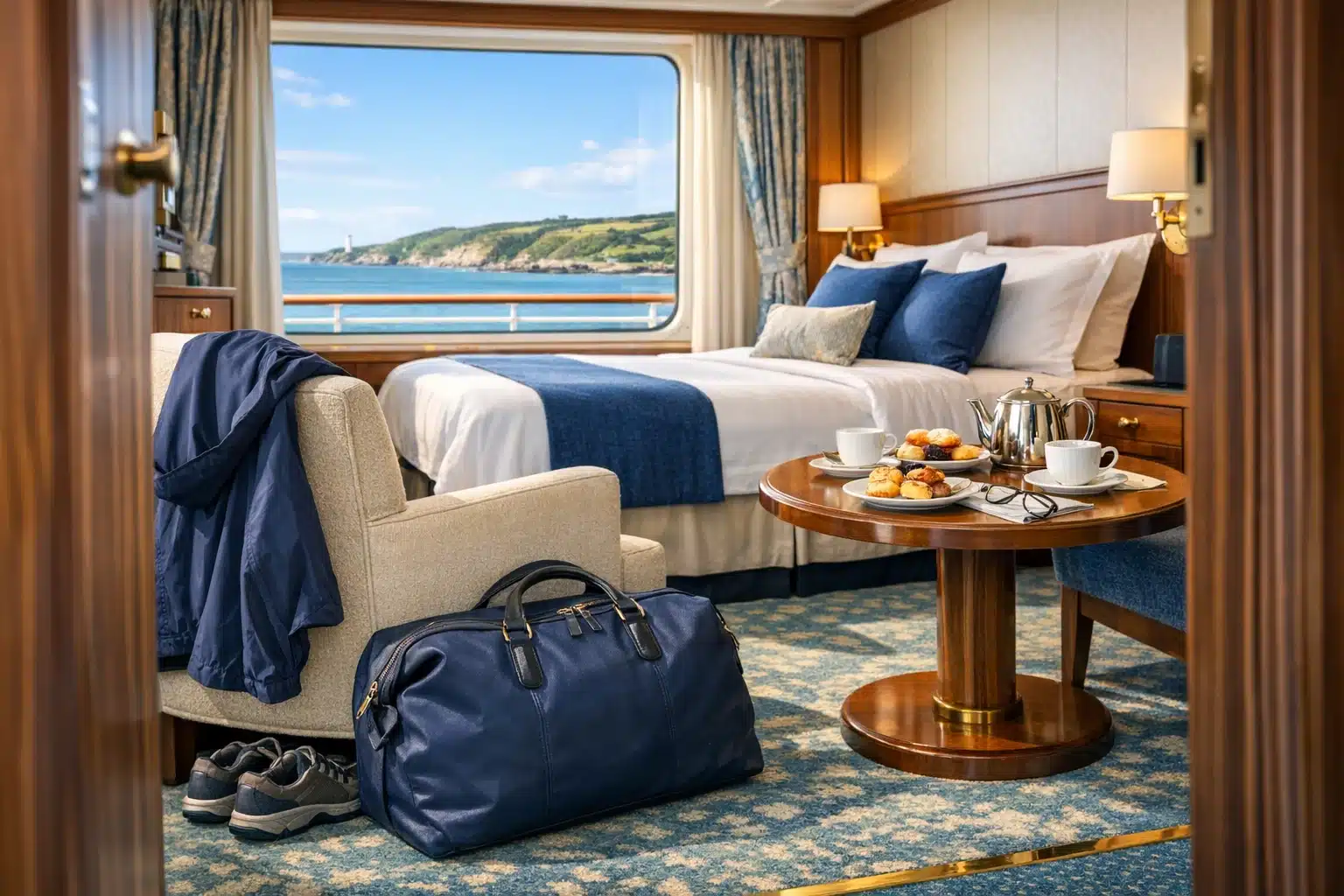
Cabin choice deserves careful thought, especially for older travellers. An inside cabin may be fine if you mainly plan to sleep there and want to keep spending down. An ocean-view cabin gives natural light, which many passengers find more pleasant on a short break. A balcony can be lovely, especially if you enjoy private outdoor space and quiet mornings with a cup of coffee, but it is not essential for everyone. Some seniors prefer to spend that extra money on a more central cabin location or a flexible fare.
Position on the ship also matters. Midship cabins on lower or middle decks are often recommended for passengers concerned about movement, as they tend to feel steadier in rougher water. Cabins near lifts may reduce walking, though they can bring more corridor noise. Cabins under busy venues, near theatres, or above nightlife areas may be less restful. Reading the deck plan is rarely glamorous, but it can save you from a poor fit.
Solo travellers should pay close attention to supplements. On some cruises, a single guest may pay far more than half the cost of a twin cabin, though some lines do release dedicated solo cabins or special offers. If you are travelling as a couple, compare bundled packages carefully. A fare that includes drinks or parking may offer better overall value than a lower advertised base price.
The best approach is simple: decide what kind of comfort matters most. For some, that means a window. For others, it means easy access to lifts, fewer extras, or a quieter deck. Once you know your priorities, the numbers become much easier to judge.
Conclusion: Planning a Relaxed and Rewarding Short Cruise After 60
If there is one theme running through this whole subject, it is that comfort comes from planning, not luck. A three-night cruise can be wonderfully easy, but the easy feeling usually starts before departure. Seniors over 60 often get the best results by asking practical questions early: How far is the port from home? Is parking simple? Are there accessible cabins left? Will the itinerary involve tender boats? Is travel insurance suitable for existing medical conditions? None of these questions are dull. They are the details that turn a tempting brochure into a holiday you can genuinely enjoy.
Health and mobility deserve thoughtful preparation. Bring enough medication for longer than the trip, keep essentials in hand luggage, and carry a printed list of prescriptions. If you use walking aids, check cabin dimensions and bathroom layouts before booking. Some ships have excellent accessibility, but availability can be limited, especially on short and popular departures. If you are sensitive to motion, discuss remedies with a pharmacist or doctor before travel rather than after the sea becomes lively. British coastal weather can be mild and bright one hour, windy and grey the next, so layered clothing is usually more useful than packing for one season alone.
A sensible packing list often includes:
• Comfortable shoes with grip for decks and gangways
• A lightweight waterproof jacket
• Smart-casual evening clothes rather than anything overly formal unless the line suggests otherwise
• Medications, glasses, chargers, and important documents in an easy-to-reach bag
• A small day bag for port visits and embarkation day essentials
It also helps to match the cruise to your own travel personality. If you enjoy theatre shows and a busier atmosphere, a larger ship may feel energising. If you prefer quieter lounges, traditional service, and a calmer onboard pace, a smaller vessel may suit you better. There is no universal best option for over-60 travellers, because age alone does not define taste. Some retirees want dancing and cocktails. Others want a comfortable chair, a sea view, and dinner at a sensible hour. The right choice is the one that fits your rhythm.
For many seniors, a short UK cruise is less about ticking off landmarks and more about recovering the pleasure of travel without its usual strain. You can leave home with one suitcase, board a floating hotel, and let the coastline do the entertaining. That is a lovely prospect in itself. If you choose a practical departure port, a manageable itinerary, and a cabin that supports your comfort, a three-night cruise can feel not like a compromise, but like a very clever way to travel.