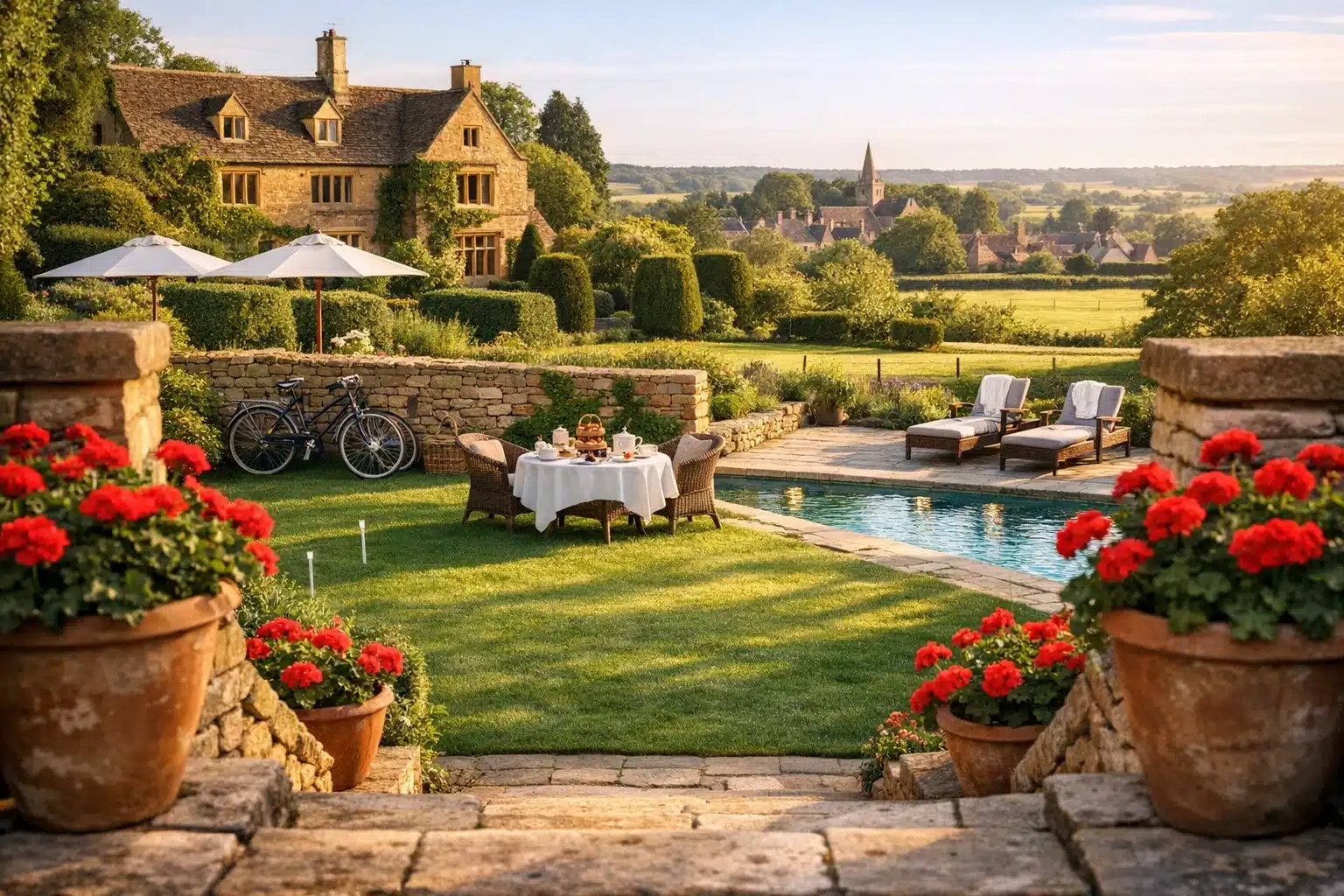
4-Night All-Inclusive-Style Resort Stay in the Cotswolds
The Cotswolds is made for travelers who want ease without losing character, and that is exactly why an all-inclusive-style stay feels so relevant here. Rather than a giant resort formula, the local version blends country-house hospitality with bundled dining, spa time, and gentle activities. Over four nights, you have enough room to settle into the landscape, explore market towns, and still enjoy unhurried mornings. This article explains how to choose well, spend wisely, and turn a short break into a polished rural escape.
Outline:
- What an all-inclusive-style stay means in the Cotswolds, and how it differs from a classic overseas resort.
- How to choose the right base, location, and property type for a four-night trip.
- What to expect from dining, wellness, and on-site experiences, with practical comparisons.
- A sample four-night itinerary that balances rest, sightseeing, and local character.
- Budget tips, booking strategy, and a final summary for travelers deciding whether this format suits them.
Understanding the Cotswolds All-Inclusive-Style Experience
Before booking, it helps to understand one important distinction: in the Cotswolds, “all-inclusive-style” rarely means the same thing it does at a large coastal resort abroad. You are unlikely to find an endless bracelet-based system with every drink, snack, and excursion wrapped into one price. Instead, the local model is usually more curated. A country-house hotel, spa retreat, or luxury lodge may offer a package that includes accommodation, daily breakfast, dinner or dining credit, selected drinks, spa access, and a few signature activities. The result can feel less like a machine-made holiday and more like a well-planned pause button.
This matters because the Cotswolds itself rewards a slower kind of travel. The region, much of which sits within the Cotswolds National Landscape, is known for honey-colored stone villages, rolling fields, old coaching inns, and market towns that feel quietly theatrical in the best possible way. A four-night stay is long enough to let that atmosphere sink in. With only one or two nights, travelers often spend too much time checking in, dining once, and checking out again. Four nights creates breathing room. You can enjoy the property, leave it, return to it, and still feel you have actually been away.
Typical package inclusions may look like this:
- Cooked and continental breakfast each morning
- A set dinner menu or dining allowance on one or more nights
- Use of spa facilities such as sauna, steam room, hydrotherapy pool, or relaxation lounge
- Welcome drinks, afternoon tea, or a small in-room treat
- Walking maps, bike hire, or bookable classes such as yoga or wine tasting
- Parking and, occasionally, rail station transfers
Compared with booking everything separately, a bundled stay offers two kinds of value. The first is financial clarity. You may still pay for premium treatments or extra drinks, but a large share of the trip is already organized. The second is mental simplicity. For many people, that is the bigger luxury. No one dreams of a restorative countryside break only to spend it comparing restaurant availability, hunting for spa times, and calculating taxi fares. The charm of this format lies in removing friction while preserving identity. You still get dry-stone walls, elegant lounges, and views over fields at dusk; you just get them with less admin attached.
In short, the appeal is not excess but ease. The Cotswolds version of the concept works best when travelers want comfort, good food, wellness, and a manageable amount of exploring without turning the trip into a spreadsheet.
Choosing the Right Base: Area, Property Type, and Travel Style
Where you stay will shape the entire rhythm of a four-night break, because the Cotswolds is not one town but a broad region spread across several counties. It covers roughly 800 square miles, so choosing a base is less about finding “the center” and more about matching the landscape to your priorities. If you want postcard villages, antique shops, and easy day trips, the northern Cotswolds often works well. Places around Broadway, Chipping Campden, Stow-on-the-Wold, and Moreton-in-Marsh feel classic and highly photogenic. If you prefer a quieter, more polished spa mood, parts of the southern and western Cotswolds around Tetbury, Cirencester, Minchinhampton, or the edges of the Stroud valleys can be especially rewarding.
Access also matters more than many travelers expect. If you are coming from London by rail, stations such as Moreton-in-Marsh, Kingham, and Kemble can make arrival surprisingly easy, often in around 75 to 100 minutes depending on the route. That makes a car optional rather than essential for some itineraries, especially if your hotel offers transfers or if you are happy to combine one or two taxi journeys with on-site relaxation. A car still gives greater flexibility, but a well-chosen resort-style property can reduce the need for constant driving.
Property type is the next decision, and the differences are meaningful:
- Manor house hotels usually emphasize architecture, formal gardens, traditional dining rooms, and a romantic atmosphere.
- Modern spa resorts often deliver the strongest wellness facilities, with pools, treatment rooms, fitness studios, and broader package options.
- Boutique village inns can feel intimate and food-led, though they may offer fewer leisure amenities.
- Lodge or estate stays suit guests who want more space, privacy, and a slightly self-contained feel.
For couples, a manor hotel with a restaurant and spa is often the sweet spot. For friends traveling together, a larger resort or estate with multiple dining spaces and bookable experiences may offer better flexibility. For multigenerational groups, space and logistics matter just as much as style, so interconnecting rooms, accessible pathways, and simple parking arrangements become practical advantages rather than minor details.
There is also the question of how “resort-like” you want the stay to feel. Some properties are really luxury hotels with packages; others are closer to full leisure destinations where you can spend most of the day on-site. Neither is inherently better. If your dream is to wander through Bibury, browse in Burford, and stop at farm shops on the way back, choose a location with strong road access and lighter on-site programming. If your ideal break involves long lunches, a robe-and-slippers afternoon, and a fire-lit cocktail before dinner, prioritize a hotel whose grounds and facilities can carry the whole experience.
The smartest choice is the one that fits your pace. In the Cotswolds, convenience and atmosphere should work together. When they do, four nights feels satisfying rather than rushed, and the property becomes part of the destination instead of merely the place where you sleep.
Dining, Spa Access, and Activities: Where the Real Value Usually Appears
For most travelers, the heart of an all-inclusive-style Cotswolds stay is not the room alone but the combination of food, wellness, and low-effort experiences. This is where packages can become genuinely worthwhile, and also where small print matters. A resort may advertise a generous stay package, but the structure can vary significantly. One property may include breakfast and a three-course dinner each night. Another may offer breakfast plus a fixed monetary credit for evening dining. A third may focus on spa access, with meals only partly included. Those differences affect both the mood of the trip and the final bill.
Dining is often the first place where expectations need adjusting. In the Cotswolds, a package with dinner included may mean a set menu, a seasonal table d’hote option, or a credit that covers most but not all of the meal. Drinks are frequently separate unless a specific tasting, welcome cocktail, or selected wine pairing is mentioned. That is not a drawback if you know it in advance. In fact, some travelers prefer the flexibility, because they can enjoy one indulgent meal on-site and then spend another evening in a nearby pub or restaurant without feeling trapped by a rigid formula.
When comparing packages, ask practical questions such as:
- Is dinner included every night or only on selected dates?
- Does the rate cover lunch, afternoon tea, or room service?
- Are spa facilities included for the full stay or just one session?
- Do treatments come with the package, or only access to the thermal area and pool?
- Are classes or activities complimentary, discounted, or chargeable?
Spa access can be a major differentiator. A strong wellness setup may include indoor or outdoor pools, hydrotherapy zones, heat experiences, treatment rooms, relaxation lounges, and fitness classes. That transforms a country escape from “nice hotel break” into a true reset. There is something undeniably cinematic about stepping from a warm pool into cool country air while the horizon fades into muted green and gold. Yet spa-heavy properties also require more planning, because treatment slots can book out well before arrival, especially on weekends and in peak seasons.
Activities add another layer of value, particularly over four nights. Good resorts may provide walking routes, bike hire, kitchen garden tours, wellness sessions, tennis courts, croquet lawns, local tastings, or seasonal events. These are not flashy headline attractions, but they support the type of trip many people actually want: one with structure when needed and stillness when desired. Compared with paying separately for meals, leisure access, and occasional activities, a thoughtful package can make the stay easier to budget and more relaxing to experience.
The best-value option is usually not the cheapest rate. It is the one that matches your habits. If you love long dinners and spa time, a broader package can save both money and decision fatigue. If you plan to explore from breakfast until dusk, a lighter rate may serve you better.
A Sample 4-Night Itinerary for a Balanced and Restful Cotswolds Stay
A four-night stay works best when it includes both movement and margin. The Cotswolds is too beautiful to ignore, but it is also exactly the sort of place where over-scheduling can spoil the point. A well-judged itinerary gives each day a loose focus while leaving room for spontaneous detours, a longer lunch, or the simple pleasure of doing absolutely nothing for an hour.
Night one is about arrival and decompression. Check in early enough to use the property rather than merely sleep there. If spa access is included, start with that. Even a short visit to the pool, sauna, or relaxation area can create a clear break between ordinary life and holiday mode. Afterward, have a calm dinner on-site. This first evening is not the moment for a packed village-hopping plan; it is the time for settling in, noticing the grounds, and letting the trip begin at a human pace.
Day two can be your classic Cotswolds exploring day. After breakfast, head out to one or two nearby towns rather than trying to “collect” too many. For a northern base, you might pair Stow-on-the-Wold with Broadway or Chipping Campden. For a southern base, Cirencester and Tetbury make a more natural combination. Browse independent shops, stop for coffee, visit a church, garden, or local museum, and return to the hotel before late afternoon. That timing matters. It allows you to enjoy the quieter second half of the day, perhaps with a treatment, a drink on the terrace, or a short walk before dinner.
Day three should lean into the slower side of the region. Choose one signature experience and keep the rest open. That could mean a guided walk, bike ride, afternoon tea, a cooking class, or simply a long spa session. If the weather is kind, this is the day for sitting outside with a book while swallows cut across the sky and the garden seems to move more slowly than time itself. A countryside holiday does not become better just because it becomes busier.
Day four can be your flexible day. Use it for a larger outing if you feel energetic, such as visiting a grand house, a garden, or a cluster of villages a bit farther away. Alternatively, stay close to base and enjoy the fact that the room, the robe, the pool, and the dining room have all become familiar. There is a quiet luxury in no longer needing to orient yourself.
On the final morning after night four, depart without that common short-break frustration of feeling you only just arrived. That is the real strength of this format. Four nights offers enough time for contrast: arrival, exploration, restoration, and a gentle landing before home.
Budget, Booking Strategy, and Final Thoughts for the Right Traveler
Cost is often the deciding factor, and with good reason. The Cotswolds can be expensive, especially in high-demand locations and at properties with strong spa reputations. Yet a package-led stay may still represent better value than a room-only booking once you factor in breakfast, one or two notable dinners, wellness access, parking, and the convenience of having much of the trip arranged in advance. A headline price should never be judged in isolation. Two nights at a cheaper hotel can sometimes cost more in practice than four nights at a property with meaningful inclusions and fewer surprise extras.
Seasonality changes the equation. Spring and early autumn are often the most balanced periods, offering attractive scenery without the full pressure of peak summer demand. Winter can be atmospheric, especially in manor hotels with fireplaces and festive menus, though weather may reduce outdoor exploring. Weekend rates are typically higher, so one of the smartest strategies is to build the stay around weekdays. A Monday-to-Friday break can bring better pricing, more treatment availability, and a calmer atmosphere in popular villages.
When booking, keep these points in mind:
- Read what “included” actually means, especially for dinner and spa usage.
- Reserve treatments early if the spa is central to your trip.
- Check cancellation terms, particularly for package rates.
- Confirm parking, train transfers, and any additional resort or service charges.
- Look at dining options nearby in case you want one meal away from the hotel.
Who is this style of trip best for? It suits travelers who value comfort, rhythm, and simplicity over nonstop sightseeing. Couples celebrating an anniversary, city workers in need of recovery time, friends seeking a polished wellness break, and even first-time visitors to the region can all benefit from a four-night package approach. It is less ideal for people who want to roam widely every day from dawn until late evening, because they may not fully use the inclusions they are paying for.
The strongest argument in favor of a 4-night all-inclusive-style Cotswolds stay is not that it gives you everything. It is that it gives you enough of the right things, already organized, in one of England’s most consistently appealing landscapes. You get comfort without the impersonality of a mega-resort, structure without stiffness, and room to breathe without needing a complicated plan. For travelers who want a countryside break that feels restorative rather than hectic, this format is not just convenient. It is often the most sensible way to experience the region well.
For the target traveler, the conclusion is simple: if you want your short escape to feel considered, calm, and pleasantly indulgent, four nights is the sweet spot. It provides time to enjoy the hotel, see the landscape, and return home feeling that the trip actually happened, rather than flashing by in a blur of check-ins and checkouts.