3-Night Cruises From Dover: What to Expect
A 3-night cruise from Dover sits in a useful middle ground between a weekend away and a longer holiday, giving travellers a compact taste of shipboard travel without demanding a long absence from daily life. The topic matters because these sailings often attract first-time cruisers, busy workers, couples celebrating something small but meaningful, and experienced passengers looking for a short reset. Dover’s location on England’s southeast coast also makes departures practical for many UK travellers, especially compared with flying abroad for only a few days.
Article outline:
• Why 3-night cruises from Dover are popular and what kind of traveller they suit
• The ports, routes, and on-board experiences you are most likely to encounter
• Costs, booking choices, and what affects overall value
• Getting to Dover, embarkation day, and useful preparation tips
• A final assessment of who should book this type of short cruise and who may prefer another kind of break
Why 3-Night Cruises From Dover Appeal to So Many Travellers
A 3-night cruise from Dover is often described as a mini cruise, but that phrase can make the experience sound smaller than it really feels. In practice, these trips offer a condensed version of the cruise format: embarkation, dinner in motion, evenings of entertainment, a day at sea or in port, and the quiet ritual of waking up somewhere new. For travellers who are curious about cruising but reluctant to commit to a 7-night or 14-night itinerary, this is one of the easiest ways to test the waters. The time commitment is modest, the travel logistics are simpler than a fly-cruise, and the financial risk is usually lower than a full holiday booking.
Dover is especially relevant because it serves as one of the UK’s best-known maritime gateways. The port is associated with ferry traffic and the White Cliffs, but it also has a longstanding role in cruise departures. For people living in London, Kent, Essex, Sussex, or parts of the Midlands, it can feel far more accessible than travelling to an airport, arriving early, dealing with baggage rules, and adding transfers at the other end. A rail journey from London to Dover can often take around 1 to 2 hours depending on the route, which helps make short cruises practical rather than rushed.
There is also a psychological advantage to a 3-night trip. Many people want a break, but not the packing burden, cost, or calendar pressure of a major holiday. A short cruise works well for:
• first-time cruisers who want to see whether they enjoy life on board
• couples seeking a compact anniversary or birthday escape
• groups of friends planning a social weekend with built-in dining and entertainment
• retirees who enjoy frequent short breaks across the year
• experienced cruise passengers filling a gap between longer voyages
Another reason these cruises stay popular is that they bundle several holiday elements into one fare. Accommodation, transport between destinations, some entertainment, and most meals are combined. That does not always make them cheap in absolute terms, but it can make the spending feel easier to manage. Instead of booking a hotel, train tickets, restaurants, and activities separately, you are buying a more integrated experience.
There is, of course, a trade-off. A 3-night cruise is too short for deep exploration, and it can pass with surprising speed. Yet that brevity is precisely the appeal for many travellers. It offers atmosphere without overcommitment, novelty without logistical sprawl, and just enough distance from routine to make ordinary life feel paused for a while.
Typical Itineraries, Destinations, and the On-Board Rhythm
Not every 3-night cruise from Dover follows the same script, but most fall into a few familiar patterns shaped by geography and sailing time. Because Dover sits close to the English Channel and North Sea routes, short itineraries usually focus on nearby continental ports rather than distant destinations. Common possibilities include stops in northern France, Belgium, or the Netherlands, depending on the season, the cruise line, and berth availability. Some itineraries are designed around one featured port, while others place more emphasis on the ship itself, with a scenic sailing and limited time ashore.
Travellers often imagine that a short cruise means they will spend most of their time rushing, yet the pace on board can be surprisingly balanced. A standard 3-night sailing may look something like this:
• Day 1: check-in, boarding, sailaway, dinner, and evening entertainment
• Day 2: either a sea day or a port call
• Day 3: the reverse of Day 2, depending on itinerary structure
• Day 4: breakfast and disembarkation in Dover
That format matters because it shapes expectations. If your priority is destination depth, a 3-night cruise may feel limited. A port call on a short itinerary can be more of a highlight reel than a full cultural immersion. For example, a stop linked to Bruges, Rotterdam, Amsterdam access points, or Normandy gateways may give you enough time for a walking tour, museum visit, canal view, or café stop, but not enough to claim you have truly “done” the place. The reward is variety rather than completeness.
On the ship, the experience often feels livelier than on longer voyages because passengers know time is short. Theatres, bars, lounges, and specialty restaurants can be busy from the first evening. There is an informal sense of urgency, as if everyone understands that this is not the trip for postponing enjoyment until tomorrow. You may see guests dressed up earlier, booking spa appointments quickly, or making dinner plans almost as soon as they board.
Weather also plays a bigger role than some first-time passengers expect. Short cruises from Dover frequently sail in shoulder seasons as well as summer, which means conditions can shift from calm sunshine to brisk wind and grey skies. That does not automatically reduce enjoyment, but it changes the mood. A misty departure past the White Cliffs can feel cinematic; a bright morning on deck with sea air and gulls trailing the ship can feel almost theatrical. The setting is part of the charm.
In comparison with a city break, the cruise format offers more built-in entertainment and less need for constant decision-making. In comparison with a longer cruise, it offers less recovery time and fewer quiet moments. That is the central truth of the 3-night itinerary: it is compact, energetic, and best enjoyed when treated as a stylish short escape rather than a grand tour.
Costs, Cabin Choices, and What Really Affects Value
Price is one of the main reasons people consider a 3-night cruise from Dover, but it is also one of the easiest parts of the trip to misunderstand. The headline fare can look attractive, especially when compared with a three-night hotel stay in a popular city. However, the overall value depends on what is included, what kind of cabin you book, when you travel, and how much you tend to spend on extras once on board. A low base fare can still lead to a moderate final bill if you add drinks packages, specialty dining, excursions, parking, travel insurance, and gratuities where applicable.
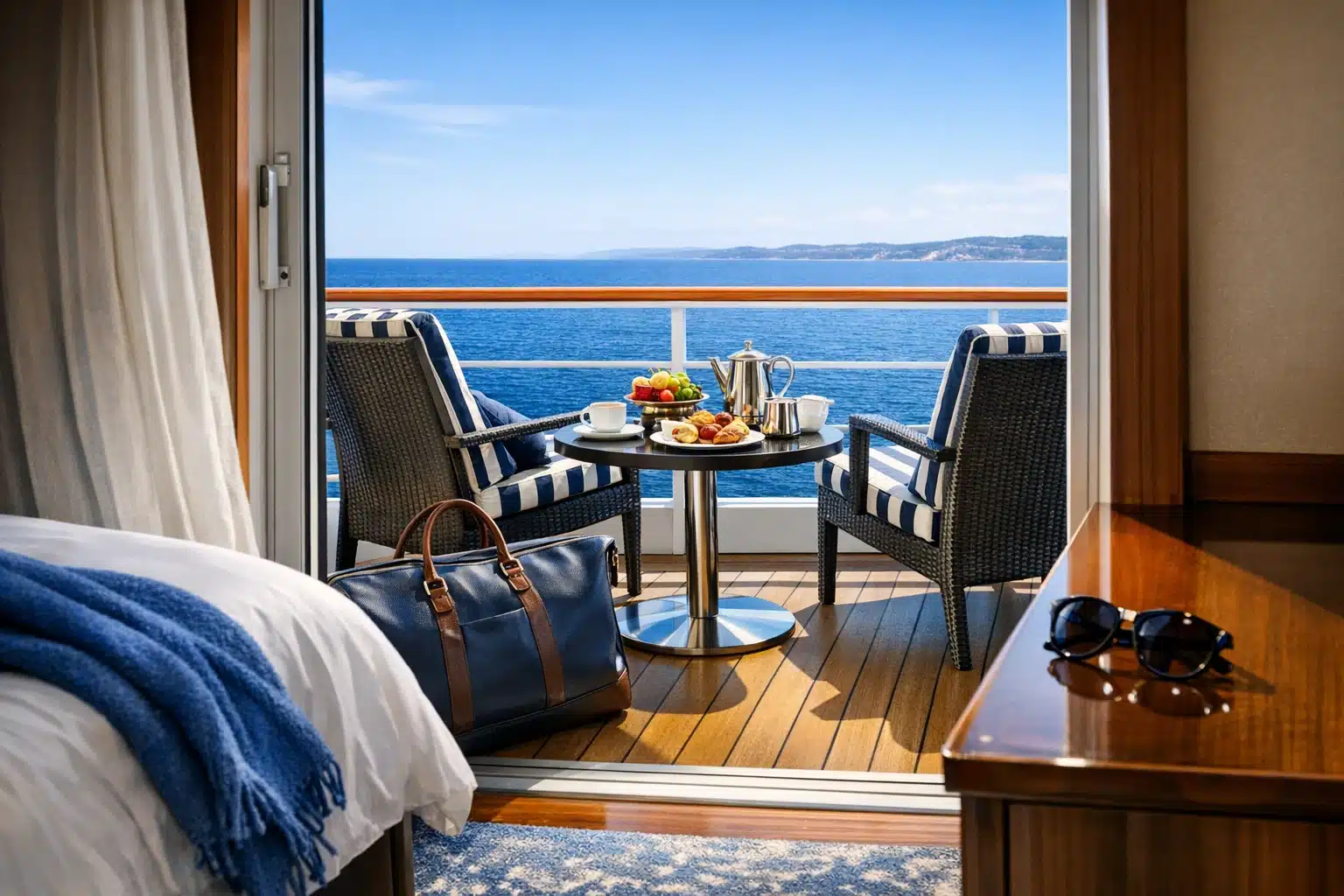
Cabin selection is often the first major decision. On a 3-night sailing, some travellers intentionally book an inside cabin to keep costs down, reasoning that they will spend little time in the room. That logic is fair, especially on a port-focused or entertainment-heavy itinerary. Others prefer a sea view or balcony because even a short cruise can feel more atmospheric when you can glance outside and see the changing light, passing coastlines, or open water. The price difference varies by sailing, but the emotional difference can be bigger than the numbers suggest.
To think clearly about value, it helps to split the fare into categories:
• Core inclusions: cabin, standard dining, basic entertainment, transport between ports
• Common extras: alcoholic drinks, soft drink bundles, Wi-Fi, spa treatments, casino spending, premium dining
• Trip-related extras: rail fare, fuel, port parking, pre-cruise hotel, shore excursions, travel insurance
Short cruises sometimes attract promotional pricing because cruise lines use them to fill shoulder-season slots, introduce a ship to new customers, or create demand around themed weekends. That said, not all 3-night cruises are bargains. School holidays, festive sailings, popular weekends, and voyages on premium ships can command strong prices. In these cases, the comparison should not only be “Is this cheaper than a week away?” but also “Is this better value than a land-based short break of similar quality?”
For many travellers, the answer depends on habits. If you enjoy multiple restaurant visits, evening shows, and the convenience of unpacking once, cruising can compare well with a city break. If you drink lightly, skip paid extras, and are happy with standard dining, the cost control can be quite good. If you prefer independent exploration, quiet mornings, and long hours in one destination, a hotel stay may stretch your money more effectively.
The smartest booking approach is usually practical rather than impulsive. Compare not just cruise fares, but total trip cost. Check cancellation terms, dining arrangements, gratuity policies, and whether your chosen cabin location may be noisy or motion-prone. A short cruise can deliver excellent value, but only when the fare matches your travel style rather than simply looking tempting at first glance.
Getting to Dover, Embarkation Day, and How to Prepare Without Stress
One reason 3-night cruises from Dover attract UK travellers is that the journey to the ship can be refreshingly straightforward. Yet “straightforward” is not the same as effortless, especially when departure timing, luggage, traffic, and check-in windows come into play. Good preparation turns embarkation from a rushed handover into the real beginning of the holiday. On a short cruise, that matters more than usual because losing half a day to confusion feels proportionally bigger.
Dover can be reached by car, rail, coach, or a mix of train and taxi. For many people in the southeast, driving is the most convenient option because it allows flexible arrival and simpler luggage handling. Port parking is commonly available, though prices and procedures vary, so it is worth pre-booking where possible. Rail travel can work very well too, particularly from London and nearby regions, but the sensible move is to build in buffer time. A delayed train is stressful on any travel day; it feels especially sharp when a ship will not wait indefinitely.
If you are planning the logistics, think in layers:
• Travel to Dover with more time than you think you need
• Keep passports, boarding documents, and luggage tags accessible
• Pack medication, valuables, and a change of clothes in hand luggage
• Check prohibited items and any dress-code guidance before departure
• Know your embarkation window rather than aiming vaguely for “sometime around lunch”
Embarkation day itself often follows a clear sequence: arrive, hand over larger bags, complete security screening, check in, then board and begin exploring. The rhythm can feel similar to airport processing, but once on board the atmosphere changes quickly. Cabins may not be ready immediately, so the best approach is to carry a small bag with essentials and move straight into holiday mode. Many passengers head to a casual lunch, walk the outer decks, or begin making reservations where needed.
Because the cruise is only three nights long, packing deserves more thought than people assume. Overpacking adds hassle, but underpacking can be annoying if the weather shifts or dinner venues feel smarter than expected. Dover departures often involve changeable conditions, so layers are useful: a light waterproof jacket, comfortable shoes, and something warmer for deck time can matter as much as evening clothes. Motion sensitivity is another overlooked issue. Even travellers who never think of seasickness may want remedies available, especially on Channel routes where conditions can be lively.
The reward for all this practical planning is a smoother start. Instead of treating embarkation as something to survive, you can treat it as the opening act: the first glimpse of the ship, the first coffee in a lounge, the first view of the coast pulling away. On a short cruise, those opening hours are not just transit. They are part of the experience, and worth protecting.
Who Should Book a 3-Night Cruise From Dover and Final Thoughts for Short-Break Travellers
A 3-night cruise from Dover is not a universal solution for every traveller, but it can be an unusually good fit for certain types of people. If you enjoy the idea of waking up in a new setting, having meals organised for you, and mixing rest with light exploration, this format has real appeal. It is especially strong for those who value convenience and atmosphere as much as destination depth. Think of it less as a substitute for a grand European journey and more as a polished short break with moving scenery.
For first-time cruisers, the advantages are obvious. You can test cabin comfort, dining routines, entertainment quality, ship size, and your own sea legs without investing in a long itinerary. If you discover that cruising suits you, the trip becomes a useful reference point for future bookings. If you find that you prefer land-based travel, you will still have had a compact and often enjoyable escape rather than a major mismatch. That makes the 3-night format one of the lowest-pressure entry points into the cruise world.
For experienced travellers, these cruises serve a different purpose. They work well as:
• a quick celebration trip
• a winter or shoulder-season mood lift
• a no-fly alternative to a city weekend
• a trial of a new ship or cruise line style
• a social break for friends or multigenerational family groups
Still, honesty matters. Travellers who crave long museum days, deep local food exploration, or slow immersion in one place may find the schedule restrictive. People who dislike crowds, set dining times, or structured holiday environments may also prefer a self-planned break. Short cruises can feel busy, especially on popular sailings where everyone wants to make the most of every hour. In that sense, the ideal passenger is someone comfortable with shared spaces, light planning, and a holiday that unfolds on a visible timetable.
For the target audience considering this trip, the key question is simple: what kind of escape do you need right now? If you want a neat, manageable break with sea views, easy logistics, and a taste of another port without boarding a plane, Dover is a compelling departure point. If your goal is total stillness or intensive sightseeing, another format may suit you better. But for many UK travellers, a 3-night cruise from Dover lands in a very practical sweet spot. It offers motion, novelty, comfort, and just enough ceremony to make three nights feel larger than they are.
In the end, that may be the most persuasive thing about it. You leave from a familiar shore, spend a few days suspended between countries and routines, then return with the pleasant sense that ordinary time briefly loosened its grip. For busy people who want a holiday they can actually fit into life, that is not a small promise. It is the whole point.