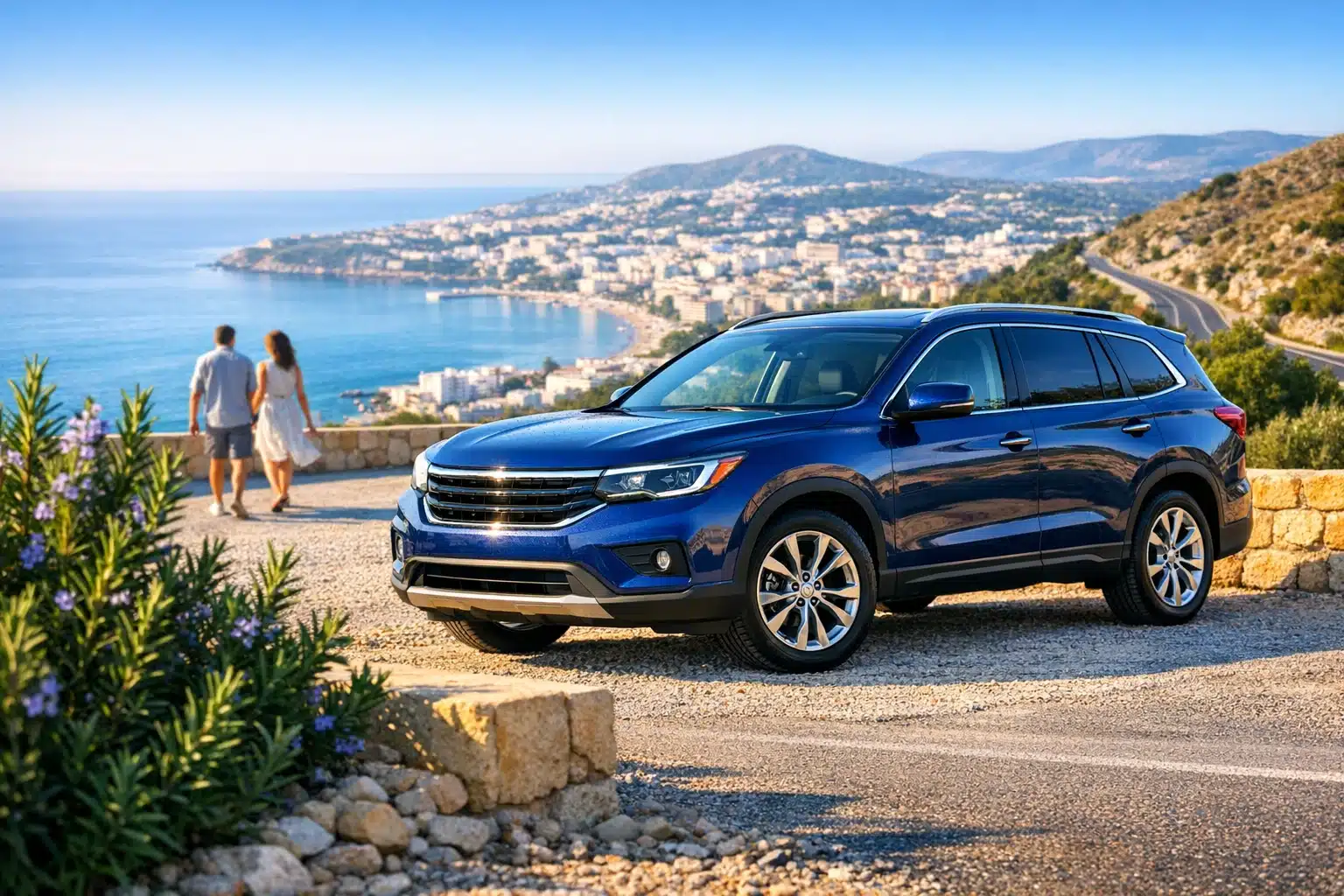
Pay Monthly Cars: A Guide to Flexible Car Financing Options
Pay monthly cars have changed the way people get behind the wheel, turning a large one-time purchase into a series of planned payments that can fit everyday budgets. For many drivers, that flexibility makes a newer, safer, or more efficient vehicle feel attainable without draining savings in one hit. Yet the small figure in an offer rarely tells the whole story, which is why understanding the finance structure matters just as much as choosing the car itself.
Article Outline
– What the phrase pay monthly cars actually includes
– The main financing options and how they compare
– The real cost behind the advertised monthly amount
– How to choose a deal that matches your budget and driving habits
– Final guidance for first-time buyers, families, and drivers who like changing cars often
What “Pay Monthly Cars” Really Means
The phrase “pay monthly cars” sounds straightforward, but it covers several different ways of funding a vehicle. In simple terms, it means you spread the cost of getting a car over time instead of paying the full purchase price upfront. That arrangement can come through dealer finance, a bank or credit union loan, a lease agreement, or a specialist car finance provider. The monthly figure is usually shaped by a mix of factors: the vehicle price, the amount you pay as a deposit, the length of the agreement, your credit profile, and sometimes the expected value of the car at the end of the term.
What makes this topic so relevant is that the modern car market is expensive, even before you add insurance, fuel, maintenance, and taxes into the picture. Many households would rather keep savings available for emergencies than use a large lump sum on a car. A monthly plan can make budgeting easier because the cost arrives in predictable instalments. It can also open the door to a newer car with modern safety systems, better fuel economy, lower emissions, and a manufacturer warranty. In that sense, monthly finance can feel less like a dramatic purchase and more like adding a steady new line to the household budget.
Still, there is an important distinction between affordability and value. A car can seem affordable because the monthly payment looks low, yet still cost more overall than another option with a slightly higher monthly figure. That is why understanding the structure matters. Some plans are designed to help you own the vehicle. Others are designed to keep payments lower by leaving a larger sum until the end, or by returning the car instead of buying it.
A useful way to think about pay monthly cars is to divide them into four common paths:
– Agreements focused on ownership, such as hire purchase
– Agreements with end-of-term choices, such as personal contract purchase
– Agreements focused on use rather than ownership, such as leasing
– Traditional borrowing, such as an unsecured personal loan
Each route can work well when matched to the right driver. A commuter who wants dependable transport for years may value ownership. Someone who enjoys changing cars regularly may prefer a structured return option. A family watching cash flow may like predictable payments, while a self-employed driver may pay close attention to flexibility and total cost. The road is the same, but the journey into the driver’s seat can look very different.
Comparing the Main Ways to Finance a Car
Once you move past the headline phrase, the real question becomes which type of agreement suits your needs. The most common options are Hire Purchase, Personal Contract Purchase, Personal Contract Hire or leasing, and a personal loan used to buy the vehicle outright. Each one solves a different problem, so the best choice depends less on marketing language and more on how you drive, how long you keep cars, and whether ownership matters to you.
Hire Purchase, usually shortened to HP, is one of the simplest models to understand. You normally pay a deposit, then repay the remaining balance plus interest over a fixed term. When the final payment is made, ownership transfers to you. Because you are covering the full financed value rather than leaving a large amount until the end, monthly payments can be higher than some other products. On the other hand, HP is often attractive to buyers who want a clear path to ownership and do not want to worry about mileage limits or a large optional final payment hanging in the distance like a storm cloud on the horizon.
Personal Contract Purchase, or PCP, is popular because it often produces lower monthly payments than HP. That happens because you are not usually paying off the full value of the car during the agreement. Instead, the lender estimates the vehicle’s value at the end of the term and leaves that amount as an optional final payment. At the end, you typically choose one of three paths: return the car, pay the final sum to keep it, or use any positive equity toward another agreement. PCP can work well for drivers who like newer cars and lower monthly costs, but it demands close attention to mileage limits, vehicle condition requirements, and the final payment.
Leasing, often called Personal Contract Hire, is even more focused on use rather than ownership. You pay for the right to drive the vehicle for a fixed period, and you return it at the end. Maintenance may or may not be included depending on the package. Leasing can appeal to drivers who want predictable motoring and who do not mind never owning the car. It is often straightforward, but excess mileage fees and fair wear standards still matter.
A quick comparison helps:
– HP: higher monthly cost in many cases, but a direct route to ownership
– PCP: lower monthly payments are common, with end-of-term flexibility
– Leasing: use the car for a set term, then hand it back
– Personal loan: you own the car from day one, but your borrowing rate depends heavily on credit and lender terms
A personal loan differs from dealer finance because you borrow the money separately and buy the car as a cash buyer. That can give you flexibility to buy from a wider range of sellers and sometimes negotiate more firmly. However, the interest rate and approval terms vary by lender and credit history. There is no universal winner here. The right option is the one that aligns with your budget, driving pattern, and appetite for ownership.
The Real Cost Behind the Monthly Payment
The monthly amount in an advert is often the figure that grabs attention first, but it should never be the only figure that guides a decision. Car finance is a bit like an iceberg: the number above the surface is easy to spot, while the larger mass of cost sits below the waterline. To judge a deal properly, you need to look at the total amount payable, the deposit, the interest charged, end-of-term obligations, and the everyday running costs that begin the moment the car reaches your driveway.
Start with the upfront payment. Many agreements require a deposit, and a larger deposit can reduce monthly payments, though it also means more cash tied up on day one. Next comes the term length. A longer agreement often lowers the monthly figure, but it may increase the total interest paid over time. Then there is APR, which helps you compare borrowing costs between products. A lower APR usually means cheaper finance overall, although the structure of the agreement still matters. A PCP offer with a tempting monthly payment may still lead to a high overall outlay if the optional final payment is large and you intend to keep the car.
Running costs deserve equal attention. Insurance for a newer or more valuable car can be noticeably higher than for an older model. Servicing costs vary by brand, engine type, and whether the car remains within a warranty schedule. Electric vehicles may save money on fuel and some maintenance items, but charging access and home installation costs can affect the equation. Tyres, road tax where applicable, parking permits, and unexpected repairs all shape what the car truly costs each month.
A sensible checklist includes:
– Deposit and any arrangement fees
– APR and total amount payable over the full term
– Mileage limits and excess mileage charges
– Optional final payment on PCP agreements
– Early settlement or termination terms
– Insurance, maintenance, fuel or electricity, and tax
Condition charges matter too. Lease and PCP agreements may require the car to be returned in line with fair wear standards, which means damage beyond normal use could lead to extra fees. This is especially important for families with small children, drivers who do a lot of urban parking, or anyone whose vehicle leads a hard-working life. A low payment can lose its shine quickly if you face unexpected charges at the end.
The smartest approach is to compare deals using the total cost, not just the monthly figure. If one offer is slightly higher per month but includes maintenance, a better rate, or fewer end-of-term risks, it may be the more economical choice. Financial clarity is rarely flashy, but it is usually what keeps buyer’s remorse from moving into the passenger seat.
How to Choose the Right Deal for Your Budget and Lifestyle
Choosing a pay monthly car should begin with your life, not the showroom. Before looking at models, think about how you actually use a vehicle. Do you commute long distances? Need room for children, luggage, or tools? Want the certainty of ownership? Prefer changing cars every few years? The best deal is not automatically the cheapest monthly option; it is the one that fits your routine without squeezing the rest of your finances.
A practical starting point is to set two numbers: your ideal monthly budget and your absolute ceiling. Include more than the finance payment. Add insurance, fuel or charging, servicing, tax where relevant, parking, and a little room for surprises. Once that complete figure feels comfortable, you can narrow the type of vehicle and the style of finance. This is where many buyers save themselves from future stress. A compact, efficient used car on a shorter, well-priced agreement may be a better move than stretching for a larger, newer model that looks impressive but leaves no breathing room.
Credit history also plays a role. Lenders typically assess income, existing debts, repayment history, and general affordability. A stronger credit profile can improve access to better rates, though approval is never guaranteed. If your credit record is limited or damaged, it may still be possible to find finance, but the terms can be less favorable. In that case, comparing lenders carefully becomes especially important. There is nothing glamorous about reading finance paperwork, but contracts reward patience. Look for fees, mileage restrictions, return conditions, and what happens if your circumstances change and you need to settle early.
When comparing deals, ask these questions:
– Do I want to own the car at the end?
– How many miles do I realistically drive each year?
– Is a larger deposit helping me, or just reducing visible monthly cost?
– Could a used car offer better value than a new one for my needs?
– What happens if I need to change or end the agreement early?
It can also help to compare dealer finance with outside lending. A dealership may offer convenience, bundled promotions, or manufacturer-backed terms. A bank or credit union loan may offer more freedom over where you buy and how you structure ownership. Neither route is always better; the difference lies in the details. Request written quotations, compare the total amount payable, and do not rush because a salesperson says a deal is available “today only.” Good decisions usually survive overnight.
Above all, match the agreement to your habits. If you keep cars for many years, ownership-focused finance may suit you better. If you love fresh technology and low monthly payments, PCP or leasing may feel more natural. When the contract reflects your real life, the car becomes a tool for mobility rather than a monthly source of tension.
Conclusion: The Best Pay Monthly Car Option Depends on the Driver
For most readers exploring pay monthly cars, the central lesson is simple: the right deal depends on how you live, how you drive, and what you want at the end of the agreement. There is no single finance product that wins in every situation. A first-time buyer may prefer clarity and ownership. A family balancing school runs, grocery trips, and holiday planning may value reliability, cabin space, and manageable monthly outgoings. A driver who likes changing cars every few years may be happiest with a structure that makes returning and replacing the vehicle straightforward.
If ownership matters most, Hire Purchase or a carefully chosen personal loan will often feel more natural because both can lead directly to keeping the vehicle. If monthly cash flow matters more than long-term ownership, PCP may offer useful flexibility, provided you are comfortable with mileage rules and the optional final payment. If you simply want to use a car for a fixed term and hand it back at the end, leasing can be a tidy solution. Each route has logic behind it, and each can be sensible when matched to the right priorities.
The most valuable habit is to look beyond the surface. Compare the total amount payable, not just the monthly figure. Read the contract slowly. Check what happens at the end of the term. Think honestly about your mileage and your appetite for maintenance, ownership, and future upgrades. A flashy low payment can be seductive, but calm arithmetic is usually the better companion. In car finance, excitement gets the test drive, while careful reading pays the bills.
For different readers, the takeaway can be summed up like this:
– First-time buyers: prioritize simplicity, affordability, and realistic running costs
– Families: focus on space, reliability, and contract terms that can handle real-world wear
– Frequent upgraders: compare PCP and leasing closely, especially mileage and return conditions
– Long-term owners: explore HP or loan options that make the final handover to ownership clear
Ultimately, a pay monthly car should make mobility easier, not your finances tighter. If you compare carefully, budget honestly, and choose a structure that reflects your real habits, you are far more likely to end up with a deal that feels sustainable month after month. That is the kind of motoring decision that still looks smart long after the new-car smell has faded.


