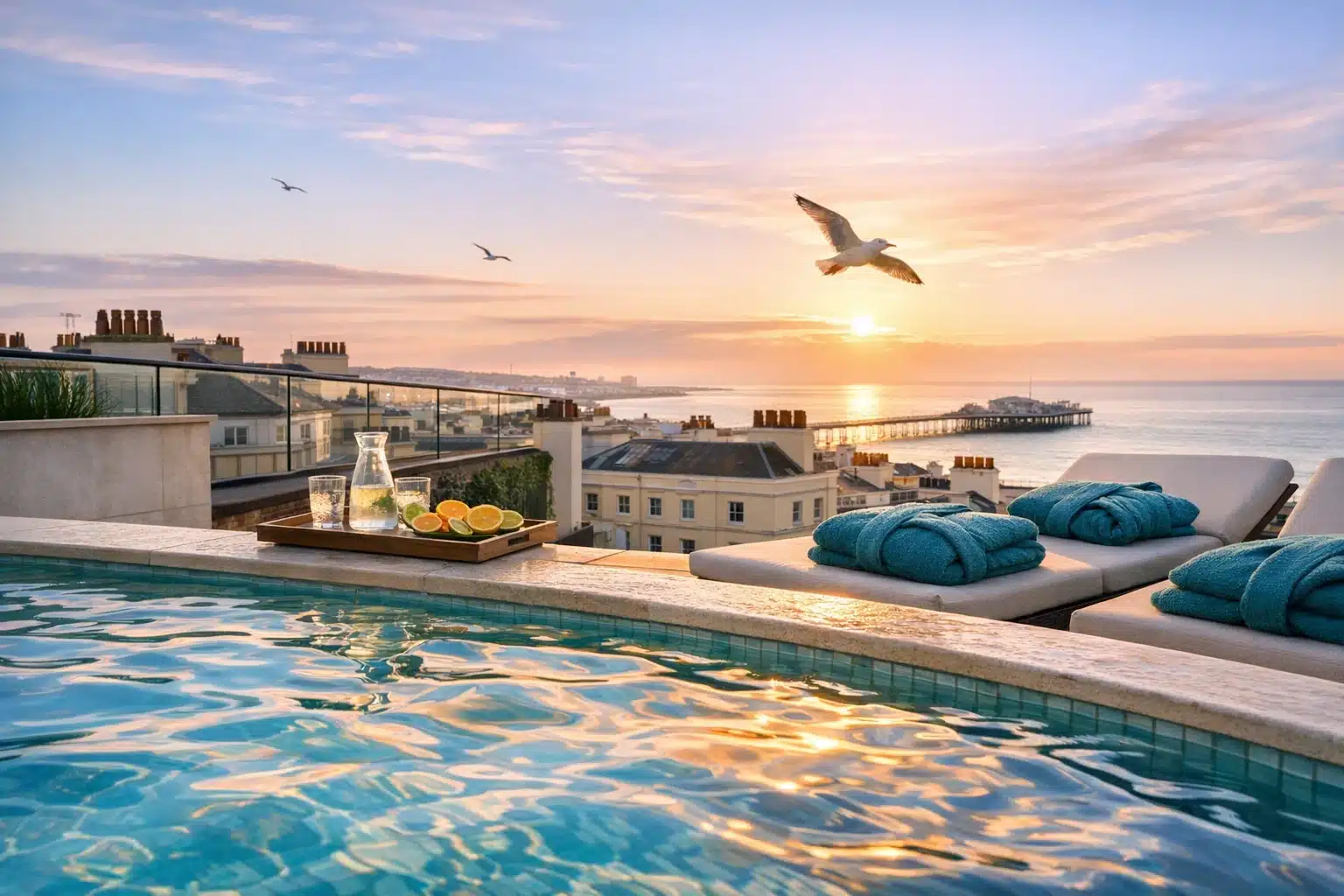
4-Night Seaside Resort Stay in Brighton
Brighton fits a surprising amount into four nights: a classic British seafront, walkable neighborhoods, strong restaurant choices, and enough sea air to make a short break feel genuinely refreshing. That balance matters because many travelers want resort comfort without being stranded in a sleepy beach town. This guide shows how to choose the right stay, shape each day, and spend wisely so the trip feels easy rather than rushed.
Why Brighton Works So Well for a Four-Night Coastal Break
Before getting into hotels, budgets, and itineraries, it helps to sketch the shape of the trip. This article follows a simple outline:
• why Brighton is especially well suited to a four-night stay
• how the main seafront areas compare
• what a balanced day-by-day plan can look like
• how costs, seasons, and booking habits affect value
• which type of traveler will get the most from the experience
Brighton works because it solves a common holiday problem: too many beach towns are either beautiful but isolated, or convenient but bland. Brighton sits in the useful middle. It has the visual appeal people want from the coast, including a broad promenade, historic architecture, and open sea views, yet it also offers the density and variety of a small city. You can spend one hour reading by the water, the next wandering through independent shops, and the evening in a restaurant that feels far more metropolitan than many resort destinations of similar size.
Four nights is an especially effective length. A one-night or two-night trip often turns Brighton into a quick hit of fish and chips, a pier walk, and an exhausted train ride home. By contrast, four nights gives you enough time to settle into a rhythm. The first evening can be used for arrival and orientation. The next two or three days can mix sightseeing with slower resort comforts such as long breakfasts, spa time, seafront drinks, or an unplanned afternoon nap while gulls argue outside the window. That extra breathing room matters because Brighton is best when it is not treated like a checklist.
Another reason the destination remains relevant is accessibility. Direct rail connections from London often take about an hour, and the station sits close enough to the center that many visitors do not need a car at all. That reduces the stress of parking and makes the break feel lighter from the start. Brighton is also compact. Many major sights, food streets, and beachfront stretches can be reached on foot, which is important for travelers who want a resort stay that feels easy rather than heavily scheduled.
The character of the place also deserves attention. Brighton is not a tropical fantasy, and trying to sell it that way would miss the point. Its charm is more textured than glossy: pebble beaches, changing light over the Channel, Victorian facades, lively cafés, and streets where old theatricality meets modern casual style. In other words, it is a destination with personality. For a four-night stay, personality is valuable, because it fills the quiet spaces between formal activities and makes the trip memorable even when you are doing very little.
Choosing the Right Resort Area: Central Brighton, Hove, or the Marina
Not every Brighton stay feels the same, and the difference often comes down to location more than star rating. When people imagine a seaside resort break here, they often picture a grand seafront hotel with a view of the water and breakfast served behind tall windows. That option exists, but Brighton also offers quieter stretches and more self-contained corners. Choosing the right area can shape the mood of the entire trip.
Central Brighton, especially the stretch near the Old Steine, Regency Square, and the main promenade, is the most convenient choice for first-time visitors. It places you close to the beach, the Palace Pier area, the Lanes, and a wide selection of restaurants and bars. The practical advantage is obvious: you can walk almost everywhere. If your idea of a resort stay includes stepping outside and immediately feeling the pulse of the town, this area delivers. The trade-off is noise. Weekend evenings can be lively, and rooms facing the busiest roads may not offer the quietest sleep. For travelers who value energy and convenience over stillness, that is usually an acceptable compromise.
Hove offers a different rhythm. Although seamlessly connected to Brighton, it generally feels calmer, more residential, and slightly more spacious. The seafront here can be a better match for couples seeking a more relaxed atmosphere or travelers who enjoy morning walks without the busiest crowds. Some boutique hotels and stylish guest accommodations in this area lean into understated comfort rather than classic resort grandeur. Hove is often a strong option if you want sea access and good cafés but do not need to be in the thick of late-night activity. The slight trade-off is that some central attractions take longer to reach on foot, though buses and taxis make this manageable.
Brighton Marina brings another variation. It can feel more self-contained, with restaurants, leisure options, parking, and water-facing views that appeal to visitors who want a modern base. This area may suit travelers arriving by car, families who like having practical amenities close by, or guests who prefer a newer environment over period architecture. It is less atmospheric than the classic central seafront, but it can be more convenient in specific ways.
When comparing properties, remember that “resort” in Brighton often means a full-service seafront hotel, spa hotel, or upscale leisure-oriented stay rather than a sprawling all-inclusive complex. Look closely at what is actually included:
• breakfast or room only
• spa or pool access
• sea-view supplements
• parking availability
• lift access in older buildings
• cancellation terms during peak weekends
The best choice depends on your pace. If you want Brighton to feel like a live performance, stay central. If you want it to feel like a long exhale, lean toward Hove. If convenience and modern facilities matter most, the Marina can make more sense than a postcard-pretty address.
How to Spend Four Nights in Brighton Without Feeling Rushed
A four-night stay gives you enough time to enjoy Brighton in layers rather than in a blur. The smartest approach is to resist the temptation to pack every hour. A resort break should still contain some resort logic: moments to linger, windows for weather changes, and space for unplanned pleasures. Brighton rewards that kind of travel because it is compact, scenic, and full of small choices.
On arrival day, keep things light. Check in, unpack properly, and take a first walk along the promenade before dinner. That first evening is not about achievement; it is about orientation. Watch the sea darken, listen to the wind moving past the railings, and let the town introduce itself at walking pace. Dinner on the seafront or in the Lanes works well because it sets the tone: easy, social, and distinctly Brighton.
Your first full day can focus on the classic landmarks. Start with the Royal Pavilion area, then move through the Lanes and North Laine for shops, cafés, and the kind of browsing that turns into half a day before you notice. In the afternoon, return to the water. The beach is pebbled rather than sandy, so visitors often enjoy it differently from a sun-heavy Mediterranean trip. Instead of building a whole day around lying flat on a towel, many people prefer a cycle of strolling, sitting, reading, coffee, and short rests back at the hotel. That makes resort access especially useful.
Day two is ideal for a slower version of Brighton. Use the morning for spa time if your property offers it, or take a longer walk west toward Hove. This part of the coast often feels more spacious, and the architecture shifts subtly as the atmosphere softens. Over lunch, choose whether you want a lazy afternoon or a little more movement. Good options include the seafront bars, local galleries, or simply settling into a chair with a sea view and doing absolutely nothing productive. There is real value in that. Not every memorable holiday moment comes with a ticket.
Day three can be your flexible day. If energy levels are high, explore Brighton Marina, seek out live entertainment, or add a nearby coastal outing depending on weather and transport. If the trip is meant to restore rather than impress, use the day for late breakfast, independent shopping, and one special evening meal. A useful structure looks like this:
• morning for one planned activity
• afternoon for rest or weather-dependent wandering
• evening for a stronger dining or entertainment choice
On the final morning, avoid squeezing in too much. A calm breakfast and one last walk by the sea often leave a better final impression than a frantic dash through extra attractions. Brighton is not at its best when treated like a race. Over four nights, it becomes something better: a place where the sea, the streets, and the hotel all contribute to the same relaxed story.
Budget, Timing, and Booking Strategy for Better Value
A Brighton resort break can be done at several price levels, but value depends heavily on when you go and what kind of stay you expect. The town is popular year-round, with summer weekends, bank holidays, school breaks, and major events often pushing rates upward. If your schedule is flexible, one of the simplest ways to improve the trip is to shift from a peak Saturday-heavy stay to a midweek or shoulder-season booking. You may not just save money; you may also get a calmer version of Brighton, which many travelers end up preferring.
Room prices vary widely, so broad ranges are more honest than absolute figures. In quieter periods, comfortable mid-range rooms can sometimes start around £120 to £180 per night, while upscale seafront hotels often move into the £220 to £350 range or higher, especially for sea views, larger rooms, or added wellness facilities. During busy summer dates, prices can climb beyond those ranges. The most important lesson is that the headline room rate rarely tells the whole story. Sea-view supplements, breakfast charges, parking, spa access, pet fees, and flexible cancellation policies can all change the real total.
Dining costs are equally flexible. Brighton can be casual, stylish, or full-on celebratory depending on your choices. A simple lunch can be affordable, while a polished dinner with drinks on a prime weekend night can move quickly into premium territory. For rough planning, many visitors find this framework helpful:
• casual breakfast or café stop: modest and easy to control
• relaxed lunch: moderate, especially away from the busiest seafront spots
• dinner at a good restaurant: mid-range to high-end depending on menu and drinks
• snacks, coffee, and cocktails: small individually, surprisingly meaningful in the final total
Transport is one of Brighton’s advantages. Direct rail travel from London is often around an hour, and booking train tickets in advance can reduce costs. If you are staying near the station or in the central seafront area, you may not need a car at all. That matters because parking in Brighton can be limited or expensive, and some seafront hotels either charge separately or have very restricted spaces. For many visitors, rail plus walking is the most efficient combination.
Booking strategy matters as much as budget size. Compare official hotel sites with reputable booking platforms, but read the details carefully. A cheaper prepaid room may be less useful than a slightly higher flexible rate if your dates are uncertain. Also check whether “resort-style” amenities are truly on-site and included. Some travelers assume pool or spa access is part of the package, only to discover timed sessions or extra charges later.
The goal is not simply to spend less. It is to spend where it improves the experience. In Brighton, that often means paying a little more for a better location, a room with natural light, or breakfast that saves decision-making each morning. Smart value here is about comfort per pound, not just the lowest number on the booking page.
Who This Trip Suits Best and Final Thoughts for Planning a Memorable Stay
A four-night seaside resort stay in Brighton is especially well suited to travelers who want variety without logistical strain. Couples often enjoy it because the destination can be romantic without becoming overly formal. You can dress up for dinner, wander the seafront after dark, and still spend the next morning in trainers with takeaway coffee, watching the tide work through the pebbles. Friends also tend to do well here, especially if the group likes a mix of social evenings and independent daytime wandering. Brighton gives people room to share a trip without needing to do every single thing together.
Solo travelers can benefit too. The town is compact, active, and easy to navigate, which reduces some of the friction that can make a solo break tiring. It is also one of those places where sitting alone in a café, gallery, or beachfront bar rarely feels awkward. There is enough movement around you to create atmosphere, but enough openness to leave you undisturbed. For families, the answer depends on age and expectations. Families with older children or teenagers may appreciate the mix of beach, attractions, casual food, and walkability. Those seeking soft sand, expansive resort grounds, or all-day children’s programming may find other seaside destinations more aligned with their needs.
It is equally useful to say who Brighton may not suit. If your ideal coastal holiday means guaranteed heat, quiet isolation, or a classic all-inclusive resort with extensive private facilities, Brighton may feel too urban and too changeable. The beach is stony, the weather can shift, and the town has a lively personality that does not always whisper. Yet that same personality is exactly why many repeat visitors return. Brighton has movement, texture, and a sense of human life that keeps a four-night stay interesting even when conditions are imperfect.
For the target traveler, the main appeal is balance. Brighton gives you:
• resort comfort without complete detachment
• sea views without travel complexity
• culture and food without the scale of a large city
• enough activity for four nights, but not so much that the trip becomes work
The best version of this holiday is rarely the one stuffed with the most bookings. It is the one built around the right hotel, the right neighborhood, and a realistic pace. Choose a base that matches your energy, leave room in the plan, and let Brighton do what it does best. It will not pretend to be somewhere else, and that is part of its strength. For travelers who want a British seaside break with comfort, character, and flexibility, four nights in Brighton can be exactly the right length.