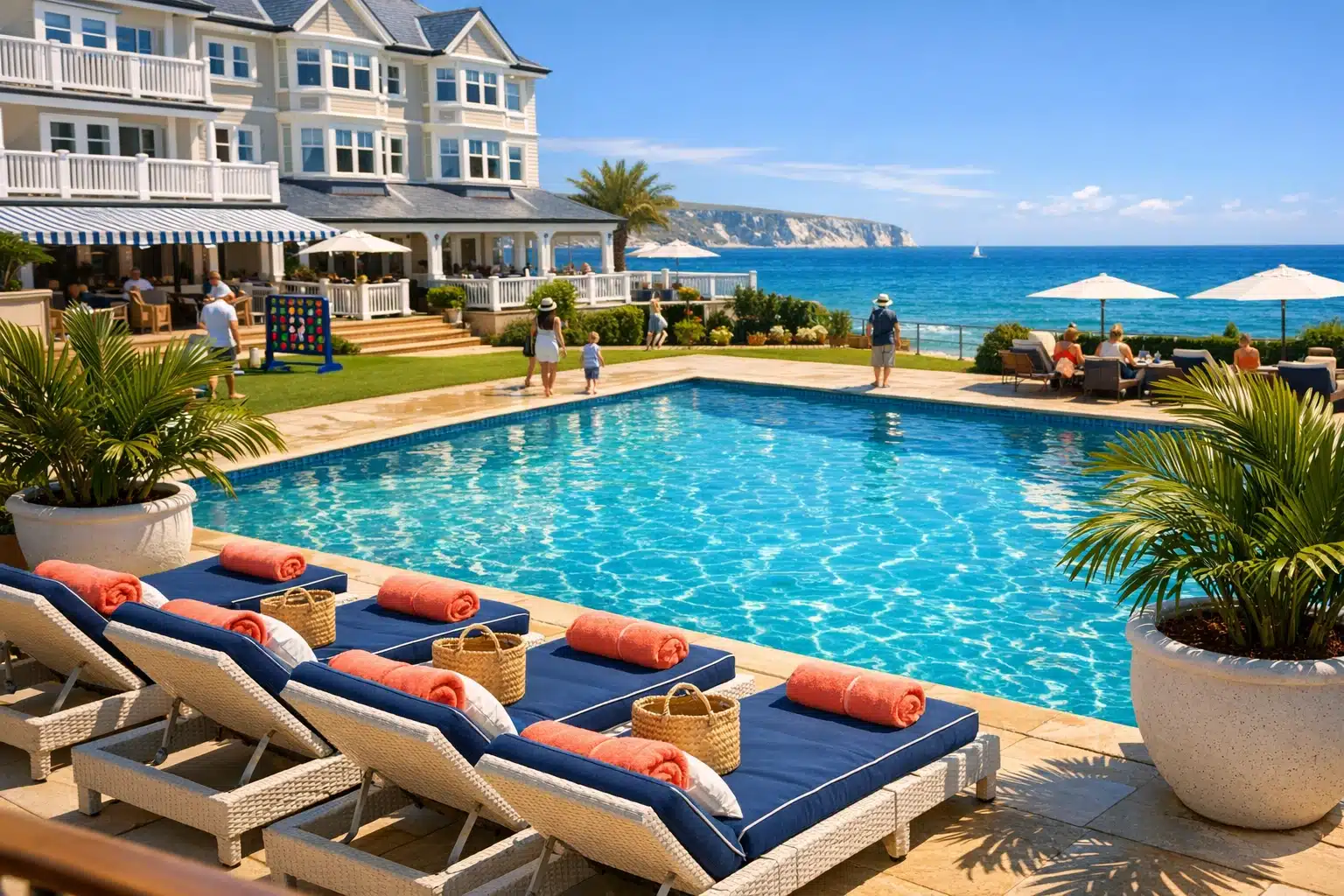
4-Night All-Inclusive Resort Stay in the Isle of Wight
An all-inclusive break in the Isle of Wight suits travelers who want sea air, predictable spending, and fewer decisions once they arrive. Four nights is a sweet spot: long enough to enjoy beaches, heritage sites, and one lazy afternoon that asks nothing from you. It works especially well for couples, families, and older visitors who prefer comfort over logistical juggling. The guide below explains the island’s package styles, realistic inclusions, and the smartest ways to shape a short stay.
Article Outline
- What “all-inclusive” usually means on the Isle of Wight, and how it differs from large overseas resort models.
- How to compare package types, locations, facilities, and included services before booking.
- A practical four-night itinerary that balances rest, food, scenery, and local attractions.
- Typical costs, seasonal price shifts, and booking strategies that improve value.
- Which travelers benefit most from this format, plus a clear conclusion for people deciding now.
What a 4-Night All-Inclusive Stay Really Means on the Isle of Wight
The first useful truth is also the most important one: the Isle of Wight is not widely known for huge, fly-and-flop all-inclusive compounds in the style of Spain, Turkey, or the Caribbean. Instead, the island tends to offer a softer British version of the concept. In practice, that may mean a resort hotel, a holiday park, or a coastal property where accommodation, breakfast, dinner, family entertainment, and selected drinks or transport extras are bundled together. Some packages include ferry crossings, while others focus on meals and on-site activities. This distinction matters, because the phrase “all-inclusive” can sound broader than the product actually is.
That said, a four-night stay works remarkably well here. The Isle of Wight covers about 147 square miles, which makes it large enough to feel varied but compact enough to explore without long travel days. Ferry crossings from the south coast of England can take roughly 20 to 60 minutes depending on the route, so arrival is relatively manageable compared with many island breaks. Once you are across, the pace changes. Roads curve through chalk downland, Victorian seaside towns, and greener inland villages. The island’s appeal is not spectacle alone; it is the mix of manageable distances, classic coastal scenery, and a holiday rhythm that feels slightly removed from mainland pressure.
A four-night window is especially relevant because it gives you:
- one arrival evening to settle in without rushing
- three useful days for beaches, attractions, or slow resort time
- one final morning that still allows a walk, brunch, or short visit before departure
That timing is ideal for people who want a proper break but cannot justify a full week away. It also suits domestic travelers watching both cost and annual leave.
Compared with a city break, the island gives you more breathing room. Compared with a longer countryside holiday, it asks less planning. Compared with a self-catering trip, an all-inclusive or near-all-inclusive package cuts down on meal decisions, parking worries, and the familiar question of where to eat when everyone is tired. There is a quiet luxury in not needing to negotiate breakfast, lunch, dinner, and evening plans every single day. Even when the weather shifts, and on the south coast it often does, a good package can preserve that sense of ease through indoor leisure areas, lounges, entertainment rooms, or spa access.
In short, the value of a four-night all-inclusive stay on the Isle of Wight comes less from abundance and more from structure. It is about buying simplicity in a place where scenery, heritage, and coastal calm do much of the heavy lifting.
Choosing the Right Package: Resort Hotels, Holiday Parks, and Coastal Bases
Because the Isle of Wight does not have a single dominant all-inclusive model, choosing the right stay is largely about matching the package format to your travel style. The island offers several practical versions of a bundled break. A resort-style hotel may include breakfast and dinner, access to leisure facilities, entertainment on selected evenings, and a bar package. A holiday park may be stronger for families, with chalets or lodges, children’s clubs, swimming pools, and live shows. A spa-led property may be quieter, with wellness treatments available, scenic dining, and fewer family-centered activities. Each version can feel “all-inclusive” in a different way, so reading the detail is more important than relying on the label.
Location changes the holiday just as much as the room category. Shanklin and Sandown are often attractive for traditional seaside breaks, sandy beaches, and easy family outings. Ventnor has a more sheltered, characterful feel, with a slightly more grown-up atmosphere and a dramatic southern coastline. Ryde offers better links and a broader town feel, which can help if you are arriving as a foot passenger. Yarmouth and the western side of the island are often favored by travelers who want a quieter base near walking routes, The Needles, and wider views. None of these areas is “best” for everyone. The right choice depends on whether your priority is entertainment, beach access, dining variety, or calm evenings.
When comparing packages, check the following carefully:
- Are all meals included, or only breakfast and dinner?
- Do drinks apply all day, only at meals, or only selected house options?
- Is the ferry included, discounted, or completely separate?
- Are children’s clubs, pools, arcades, or evening shows covered in the price?
- Is parking free, and is there an added charge for spa use or premium dining?
These details can change the true value of an offer by a meaningful margin.
There is also a quality-of-experience question. Families with younger children may gain the most from a holiday park style package because entertainment and meals are close at hand, and a bit of noise is part of the bargain. Couples seeking a more polished atmosphere may prefer a hotel that includes dinner and breakfast but leaves lunch flexible, allowing time to explore Ventnor, Cowes, or a cliffside café. Older travelers often appreciate properties with lifts, accessible rooms, direct coach access, and fewer late-night events. If your dream is not karaoke, queueing at a buffet, or poolside energy, the wrong package can feel less like ease and more like compromise.
Think of booking less as choosing a resort and more as choosing a holiday personality. The right one should fit your pace, not force a new one upon you.
How to Spend Four Nights Well: A Smart and Relaxed Island Itinerary
One reason this kind of break works so well is that four nights creates natural structure. You have enough time to enjoy the resort and still see the island without turning every hour into a checklist. A balanced stay usually works better than a packed one. The Isle of Wight rewards a slower eye: a sea wall at dusk, a café after wind on the cliffs, a town that seems to remember another century. If you race through it, you miss the atmosphere that makes the place different.
Arrival day should be intentionally light. If your package includes dinner, use it. Check in, take a short walk, and let the island introduce itself gently. A nearby esplanade, beach path, or clifftop view is enough. Many travelers make the mistake of trying to “start properly” on the first afternoon, only to feel like they are catching up with their own holiday. If the weather is clear, even a brief evening outside can do the job: gulls overhead, the scent of salt in the air, and that small but satisfying feeling of having gone somewhere distinct.
Day two is ideal for a landmark outing. The western side of the island often delivers this best, especially The Needles and Alum Bay area. The chalk stacks are the postcard image, but the wider appeal lies in the dramatic landscape and sea views. Another strong option is Osborne House, the former residence of Queen Victoria, which adds history, gardens, and a different pace. If you are traveling with children, a mix of beach time and one major attraction often works better than two ticketed experiences in the same day. For adults, pairing a scenic site with a long lunch can be far more memorable than trying to “cover ground.”
Day three can lean into classic seaside pleasures. Shanklin, Sandown, or Ryde can offer promenades, easy beach access, and a relaxed rhythm. Families may want amusements, mini golf, or a pool session back at the resort. Couples might prefer Ventnor Botanic Garden, a coastal walk, or simply a few unplanned hours. That flexibility matters. A packaged holiday should not feel over-managed. It should create room for spontaneity.
Day four is your chance to choose depth over breadth. You might:
- take a section of the coastal path for sea views and open downland
- visit a local town such as Cowes for shops, marina atmosphere, and lunch
- stay on-site and fully use the facilities you already paid for
The last option is underrated. Many guests spend extra for inclusive leisure, then spend the whole trip elsewhere. A late breakfast, a swim, a drink in the lounge, and dinner without planning can be exactly the point.
On departure morning, keep expectations modest. A beach walk, a final coffee, or a quick browse of local shops is enough. The beauty of a four-night island stay is not how much you can squeeze in. It is how quickly ordinary life begins to feel slightly distant, as if the tide has politely taken it elsewhere for a while.
Costs, Value, and Booking Strategy: What You Are Really Paying For
For many travelers, the main reason to consider an all-inclusive or near-all-inclusive stay is financial clarity. On the Isle of Wight, that clarity can be genuinely useful because transport, meals, parking, and attraction spending can add up faster than expected. A four-night self-planned trip might begin with a reasonable room rate, then grow once you add ferry tickets, restaurant bills, snacks, entertainment, and weather-related plan changes. A package can reduce that unpredictability, even if the headline price looks higher at first glance.
As a broad guide, couples booking a mid-range four-night package may see prices ranging from roughly £800 to £1,600 total, depending on season, room type, and inclusions. Family breaks can sit anywhere from around £900 to well above £2,200, especially during school holidays or when entertainment-heavy resorts are involved. Premium coastal hotels or spa properties can exceed those figures. These ranges are not fixed rules, but they reflect how strongly timing and package structure affect value. A deal that includes ferry travel, breakfast, dinner, and entertainment may beat a cheaper room-only offer once all hidden costs are counted.
The best-value periods are often shoulder seasons such as late spring and early autumn. During these times, you may find:
- lower room rates than peak summer
- milder weather suitable for walking and sightseeing
- less crowded ferries, roads, and attractions
- a calmer atmosphere in dining rooms and public areas
Summer brings the warmest beach conditions and a lively mood, but it also brings the highest prices and the greatest pressure on availability.
Booking strategy matters. If you need school holiday dates, early booking is usually the safer move. If your timing is flexible, last-minute offers can appear, but they are not guaranteed, especially for family accommodation or ferry-inclusive packages. Always compare the total bundle rather than the room rate alone. It is worth putting numbers in a simple list: accommodation, ferry, parking, breakfast, dinner, drinks, and one likely activity. Once you do that, the better option often becomes obvious.
Also watch for limitations hidden in friendly language. “Drinks included” may mean selected soft drinks or house beverages at fixed times. “Entertainment included” may apply only on some evenings. “Resort credit” is not the same as prepaid access. A good package should reduce decision fatigue, not create more of it at the check-in desk.
Ultimately, the value of a four-night all-inclusive stay on the Isle of Wight comes from a blend of cost control and mental ease. You are not just paying for meals and a room. You are paying for a holiday with fewer moving parts, and for many travelers, that is where the real savings begin.
Conclusion: Who Should Book This Kind of Stay and What to Expect
A four-night all-inclusive stay in the Isle of Wight makes the most sense for travelers who want a short break with a clear framework. Families often benefit because meals, entertainment, and accommodation are centralized, which reduces the daily friction that can creep into even well-meant holidays. Couples can also do well, especially if they choose a quieter hotel package with dining included and enough free time to explore coastal towns at their own pace. Older travelers, multi-generational groups, and anyone who prefers domestic travel without the complexity of airports may find this format especially appealing. It delivers the feeling of a proper getaway without demanding a long absence from work or routine.
That said, it is not the right choice for every visitor. If your ideal trip involves trying a different restaurant every night, chasing remote beaches, or building each day from scratch, self-catering or bed-and-breakfast may suit you better. The Isle of Wight has enough character, food options, and scenic variety to reward independent planning. Likewise, travelers expecting a vast international-style all-inclusive resort with endless bars, sprawling pools, and constant daytime programming may find the island’s offerings more modest. The key is expectation. This destination excels at charm, manageability, and atmosphere, not excess.
The strongest audience for this kind of trip is easy to describe:
- people who want a convenient UK coastal escape
- travelers who value budget control over total spontaneity
- guests who enjoy a blend of on-site comfort and local exploration
- visitors who see four nights as a meaningful break, not a compromise
For them, the package format can feel less like limitation and more like release.
If you book thoughtfully, check the inclusions with care, and choose a base that matches your pace, the Isle of Wight can be an excellent place for a four-night resort stay. It offers beaches, heritage, walking routes, and nostalgic seaside energy in proportions that are pleasantly human. Nothing feels impossibly far away. Nothing demands urgency. And that may be the real attraction. In a travel world that often celebrates bigger, louder, and longer, this island quietly makes the case for something else: a break that is compact, comfortable, and genuinely restorative for people who want to come back feeling lighter than when they left.