3-Night Cruises From London
A 3-night cruise from London sits in a sweet spot between a city break and a full holiday, giving travelers enough time to switch off without committing to a week at sea. It suits first-time cruisers, busy professionals, couples, and friends who want a simple escape with meals, entertainment, and changing coastal views built into one booking. Because short sailings move quickly, understanding the right port, route, price, and onboard style can make the difference between a smooth mini-break and a rushed one.
What a 3-Night Cruise From London Really Means
The phrase 3-night cruises from London sounds straightforward, but in practice it can describe several different travel setups. Some sailings depart from ports that are genuinely within Greater London or the Thames estuary, such as Tilbury. Others are marketed as London departures because they are easy to reach from the capital, most commonly Southampton and sometimes Dover. For travelers comparing options, that distinction matters. A cruise that looks like a quick city-to-sea escape may still involve a train ride, coach transfer, or overnight hotel, so the real value lies not only in the cruise fare but in the total door-to-door experience.
At their best, these short itineraries are compact, low-pressure holidays. You unpack once, settle into your cabin, and let the ship carry you through the next few days. The format works especially well for people who are curious about cruising but hesitant to book a week or longer. It also appeals to travelers who want a celebration trip, a birthday break, a seasonal getaway, or simply a change of scene when time is tight. By the second evening, the noise of stations, taxis, and inbox alerts has usually been replaced by dining rooms, live music, and the steady rhythm of the sea.
This article is organized around five core questions so readers can judge whether this kind of trip suits them. The outline is simple: • what a 3-night cruise from London includes and how it differs from a typical weekend break • which routes and destinations are most common • which departure ports are most practical from London • how fares, onboard spending, and cabin choices affect value • who gets the most from these sailings and how to plan wisely.
There is also an important practical point: three nights is a short window, so expectations should be realistic. You are not booking a grand voyage across several countries with deep cultural immersion at every stop. Instead, you are buying efficiency, atmosphere, and ease. Many mini cruises focus on one port call and time onboard rather than a packed sightseeing schedule. That is not a drawback for most travelers. In fact, the limited duration is the attraction. It creates a holiday with clear edges, relatively easy budgeting, and very little decision fatigue once you step onboard. For many London-based travelers, that combination is exactly the reason these cruises remain popular.
Popular Itineraries, Destinations, and the Onboard Experience
Most 3-night cruises accessible from London follow a handful of tried-and-tested patterns. Cruise lines often design them as sampler trips, seasonal mini-breaks, or repositioning sailings between longer itineraries. Common destinations include Northern European ports that can be reached quickly from southern England. Amsterdam, Rotterdam, Zeebrugge for Bruges, and occasionally ports in northern France or the Channel Islands are among the most familiar names. Some sailings also include no full port day at all, focusing instead on the ship itself, which can still work well for travelers who mainly want rest, dining, and entertainment.
Each route creates a different mood. A sailing to Bruges or Amsterdam usually attracts travelers who want a mix of urban charm and cruise convenience. These itineraries can be especially appealing in cooler months, when canal views, historic streets, and compact city centers pair well with a short visit. Rotterdam can feel more modern and architectural, while France-based mini cruises may lean more toward food, cafés, and easy walking. The destination matters, but on a 3-night cruise the ship often plays an equally important role. Since time in port is limited, travelers spend a large share of the trip onboard, so entertainment style, dining variety, and cabin comfort become more important than they might on a longer voyage.
Typical onboard experiences include:
• buffet and main dining room meals included in the fare
• evening shows, live music, quizzes, bars, and lounges
• a spa, gym, pools, and deck spaces, depending on the ship
• optional specialty dining, drinks packages, and excursions at extra cost.
Because these cruises are short, they often have a lively social energy. People know they have only a few evenings to enjoy the ship, so restaurants and bars can feel animated from the first night. That atmosphere suits groups of friends and couples, though quieter travelers can still find value by choosing ships known for calmer public spaces or premium dining. Families may also enjoy the format, but they should check school-holiday pricing and the availability of children’s facilities, since some mini cruises are designed more for adults than for family entertainment.
Weather is another factor worth weighing. Northern European mini cruises can be enjoyable year-round, yet the experience shifts with the season. Summer offers longer daylight and more deck time, while autumn and winter may deliver lower fares, festive markets, or a cosier onboard mood. A short cruise is less about ticking off landmarks and more about how the entire package feels. The best itinerary is usually the one that matches your pace, not simply the one with the longest destination list.
Departure Ports Near London and How to Plan the Journey
One of the biggest practical questions is where these cruises actually depart from. London travelers are often looking at three main gateways: Tilbury, Southampton, and Dover. Tilbury is the most naturally associated with London because it sits on the Thames estuary and can be reached from the capital relatively easily. Southampton, although not in London, is one of the UK’s busiest cruise ports and frequently appears in cruise search results aimed at London-based customers because of its strong rail links and broad choice of sailings. Dover can also be relevant, particularly for shorter northern Europe routes, though it tends to offer a different mix of ships and schedules.
Here is how the ports compare in practical terms:
• Tilbury is convenient for some London residents and can reduce total travel time, especially for those in east or central London.
• Southampton generally offers the widest range of mainstream cruise lines, ship sizes, and departure dates.
• Dover may suit travelers in south or southeast London, but journey planning deserves close attention because transport options can feel less flexible than Southampton’s.
Southampton is roughly 80 miles from central London, and rail journeys often take around 1 hour 15 minutes to 1 hour 45 minutes depending on the service and station. Tilbury can be much closer in pure distance, though actual journey ease depends on where you live and whether you use rail, car, or taxi. Dover is farther than Tilbury for most Londoners and usually requires a longer transfer window. This is why experienced travelers often look beyond the cruise fare and ask a more useful question: how much effort does embarkation day really require?
For a 3-night cruise, smoothing that travel day matters because the trip is so short. Losing half a day to complicated connections can eat into the sense of escape. Many travelers therefore choose one of two strategies. The first is the efficient same-day transfer, ideal for direct rail routes and early planning. The second is the pre-cruise hotel night, which costs more but can make the holiday feel longer and significantly less rushed. This is especially valuable if sailing from Southampton during busy periods or if traveling with children, older relatives, or lots of luggage.
Embarkation itself is usually simpler than first-time cruisers expect, but preparation helps. Check luggage tags in advance, confirm boarding windows, keep travel documents accessible, and understand whether parking, transfers, or terminal shuttles need to be pre-booked. On a short sailing, convenience is part of the product. The smartest bookings are often the ones that protect your energy before you even see the ship.
Costs, Value for Money, and How to Choose the Right Fare
Price is often the reason travelers begin looking at 3-night cruises in the first place. On paper, these sailings can look remarkably competitive when compared with a London hotel, rail tickets, restaurant meals, and paid entertainment over a long weekend. Entry-level fares on short cruises may sometimes start in the low hundreds of pounds per person, particularly for inside cabins during off-peak periods, while better-positioned cabins, premium lines, school-holiday dates, and add-ons can raise the total quickly. The lesson is simple: a short cruise can be good value, but only if you understand what is included and what is not.
Usually included in the base fare are your cabin, standard dining venues, basic entertainment, and transport by sea between ports. However, several extras can materially affect the total spend:
• drinks beyond free basics such as water, tea, coffee, or juices in selected venues
• specialty restaurants
• shore excursions
• Wi-Fi
• gratuities on some cruise lines
• spa treatments, photos, and onboard shopping.
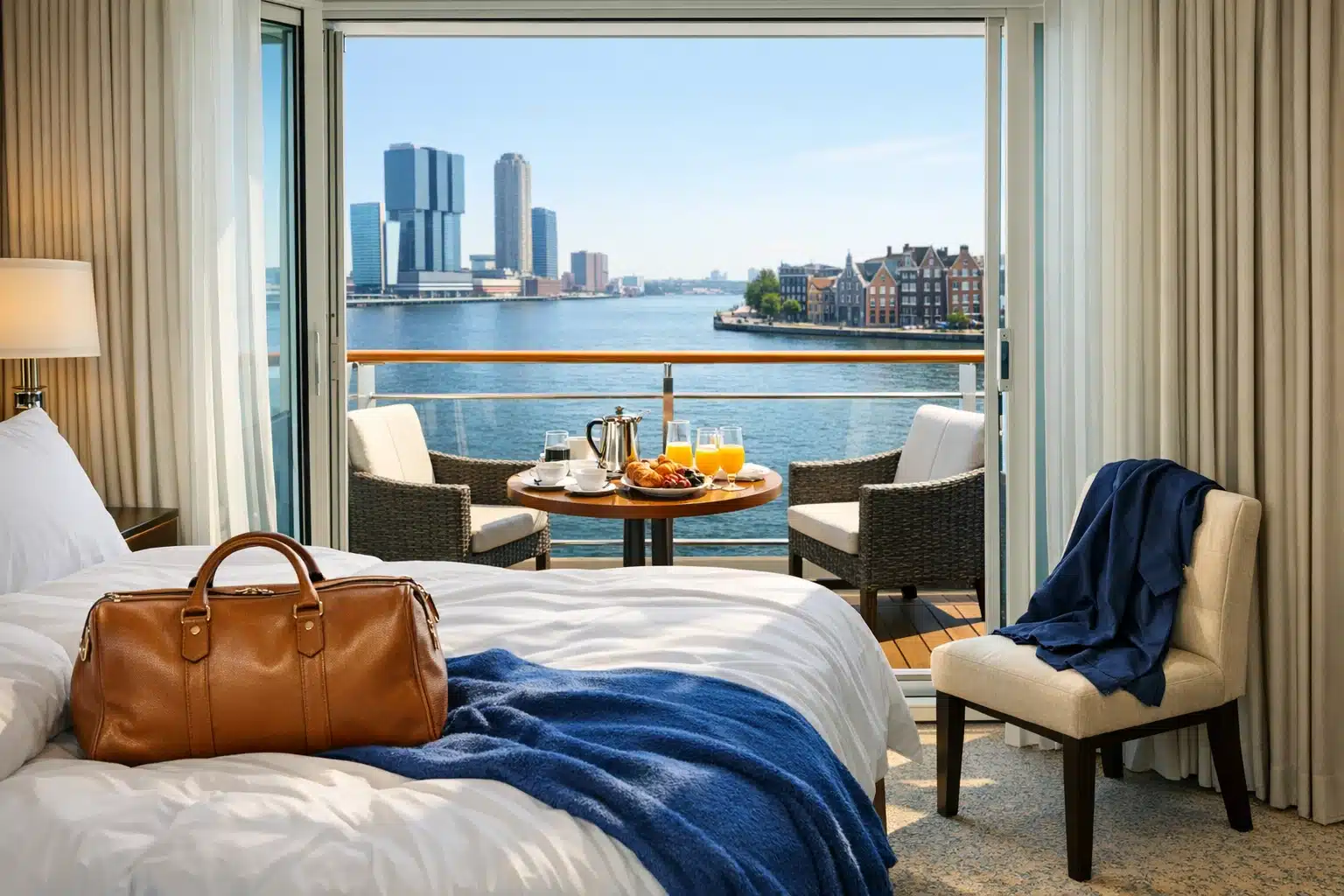
Cabin choice also changes the value equation. For only three nights, some travelers happily choose an inside cabin because they expect to spend most of their time in public areas or ashore. That can be sensible, especially when budget matters more than private space. Others see a mini cruise as a treat and prefer a balcony cabin because it creates a private retreat and adds to the sense of escape. There is no universal right answer. On a short trip, the best cabin is often the one that matches your habits: if you love sunrise coffee in peace, a balcony earns its cost; if you mostly want a base for sleeping and showering, it may not.
Another good comparison is cruise versus city break. Once meals and entertainment are factored in, a 3-night cruise can compete surprisingly well with a hotel stay in London, Paris, or Amsterdam. That said, travelers should avoid comparing only headline prices. Port parking, train fares, transfers, drinks packages, and cabin upgrades can narrow the gap. Flexibility also affects value. Sailings outside school holidays or on less in-demand dates often produce the strongest fares, while last-minute deals may appear but are not guaranteed, especially for specific cabin types.
The best booking approach is to build a realistic total cost before you commit. If the all-in figure still feels fair for three nights of travel, accommodation, food, and entertainment, then the cruise is probably offering genuine value rather than just a tempting advertisement.
Who These Cruises Suit Best and Final Thoughts for London Travelers
A 3-night cruise from London is not trying to be everything to everyone, and that is exactly why it works. It suits travelers who value convenience, novelty, and a defined time frame. First-time cruisers are an obvious match because the short format lets them test sea travel, cabin comfort, dining style, and ship atmosphere without committing to a long itinerary. Couples often enjoy the built-in rhythm of the trip: dinner, music, sea air, and a new skyline the next morning. Friends may like the social energy and the fact that much of the planning is bundled into one booking. Even solo travelers can find these cruises appealing, especially on ships with lively public spaces and manageable supplement levels.
There are, however, travelers who may prefer a different kind of break. If your ideal holiday centers on long museum visits, deep local exploration, or multiple full days in one destination, a short cruise may feel compressed. Likewise, if you dislike fixed meal windows, busy embarkation periods, or the possibility of weather affecting sea conditions, a land-based trip could be more relaxing. Mini cruises reward flexibility. They are strongest when you treat them as a floating weekend with one or two memorable stops, not as an attempt to experience an entire region in depth.
Before booking, ask yourself a few honest questions:
• Do I want a destination-heavy trip or an experience-heavy one?
• Am I comfortable with limited time in port?
• Is the departure port easy enough that the cruise still feels simple?
• Will I actually use extras like drinks packages or specialty dining?
• Would I rather save on the cabin and spend more on the trip overall?
For London-based travelers, the biggest strength of this holiday style is efficiency. You can leave the city behind without the logistics of airports, long security lines, or a week of annual leave. That makes these sailings particularly attractive for busy schedules, milestone weekends, and spontaneous breaks that still feel structured and polished. When the right port, itinerary, and fare align, a 3-night cruise can deliver more atmosphere than a conventional weekend and less friction than many short-haul trips.
In summary, this option is best for travelers who want a compact escape with clear budgeting, straightforward planning, and a touch of occasion. If that sounds like you, focus on route realism, port convenience, and the onboard style that fits your personality. Do that, and a short cruise from London can feel less like a compromise and more like a clever, well-timed reset.