3-Night Cruises From Liverpool: What to Know Before You Book
Short cruises from Liverpool have become an appealing option for travellers who want the atmosphere of life at sea without committing to a full week away. A three-night sailing can fit neatly around work, school holidays, or a spontaneous long weekend, which makes it relevant to first-time cruisers and experienced holidaymakers alike. Because Liverpool offers a convenient departure point for much of northern England and Wales, these mini breaks can also cut down the cost and hassle of extra travel. Knowing how itineraries, pricing, cabin choices, and port logistics work before you book can turn a tempting idea into a genuinely smooth escape.
This article follows a clear route. It begins with why Liverpool works so well as a departure port for a short cruise, then looks at the kinds of three-night itineraries you are most likely to find. After that, it compares fares, cabins, and hidden extras, before moving into practical planning for booking, packing, and embarkation day. It closes with a reader-focused conclusion on who gets the most value from this style of holiday and when a different trip might suit better.
Why Liverpool Works So Well for a 3-Night Cruise
Liverpool is one of those rare departure ports that already feels like part of the holiday before you even step onboard. The city’s waterfront setting gives a cruise departure a dramatic sense of occasion, and the terminal’s central location can be a real advantage for travellers coming from the North West, North Wales, Yorkshire, the Midlands, and even parts of Scotland. For many people, embarking in Liverpool means avoiding a much longer rail journey or motorway drive to a southern port. That difference is not just about convenience; it can also affect the overall cost of the trip, the amount of annual leave needed, and how stressful the first day feels.
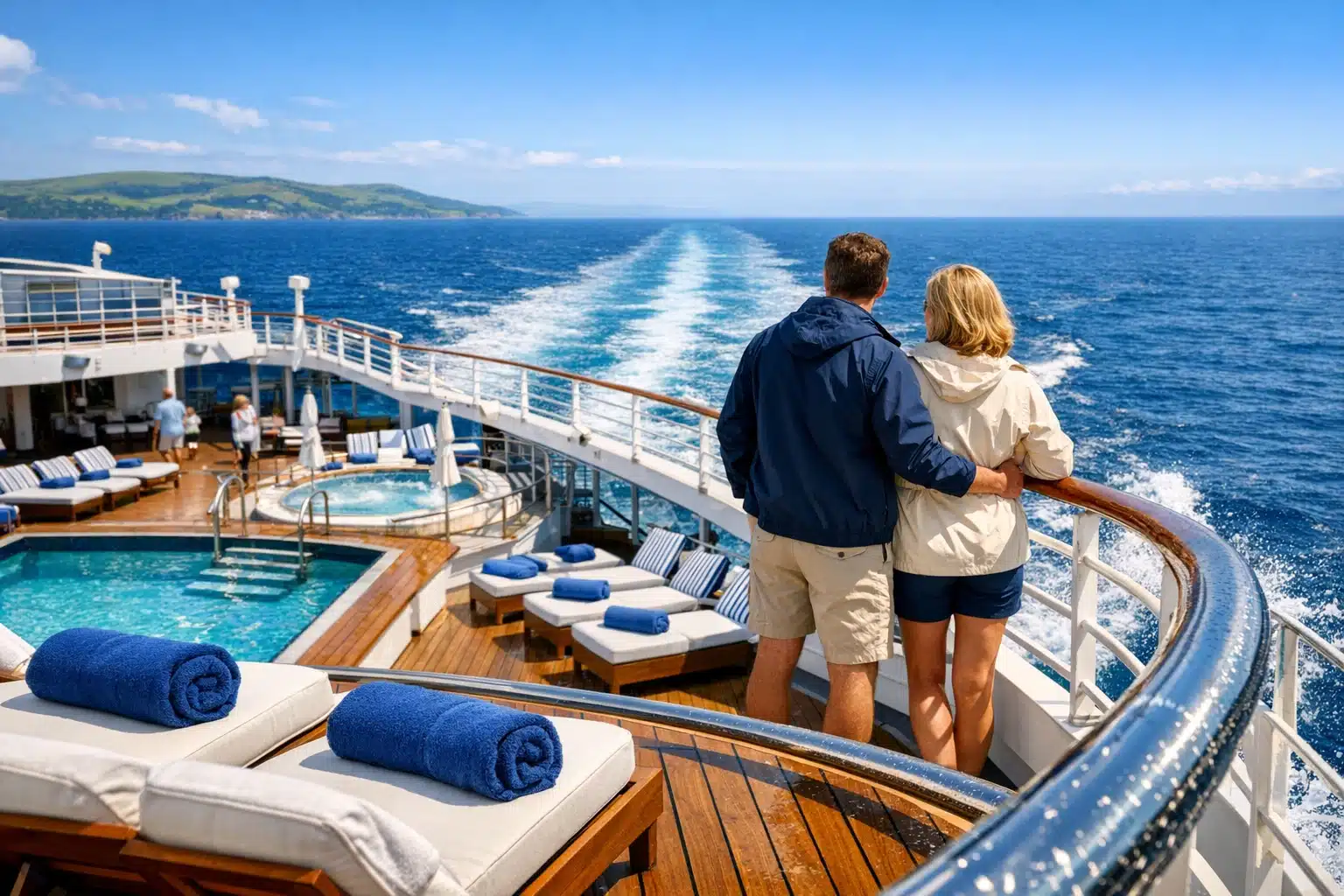
A three-night cruise is especially well matched to Liverpool because short sailings are all about efficiency. If you only have a long weekend, spending half a day crossing the country to board a ship can blunt the appeal. Departing from Liverpool keeps the travel element shorter for many UK-based passengers, and that can make the holiday feel more generous than its length suggests. You are not chasing the break; you are easing into it. One moment you are at the waterfront, the next the city skyline is slipping behind you and the Irish Sea opens ahead like a fresh page.
There is also a psychological advantage to the format. Three-night cruises can feel more approachable than a longer voyage, particularly for people who are cruise-curious but not fully committed. You get a taste of the essentials: embarkation, sailaway, dining, entertainment, one or two mornings at sea, and perhaps a port visit. If you love it, you can book something longer later. If you decide cruising is not quite your style, you have learned that lesson over three nights rather than ten.
Compared with a traditional city break, a short cruise from Liverpool offers a different kind of value. Accommodation, transport between destinations, entertainment, and meals are often bundled into one booking. That does not always make it cheaper than staying on land, but it does make the planning simpler. For travellers who enjoy structure, that can be a major benefit.
- Good fit for travellers who live closer to Liverpool than to Southampton or Dover
- Useful for first-time cruisers testing the experience
- Appealing for couples, friends, and multigenerational groups wanting a short escape
- Less suitable for travellers who want long, in-depth port stays every day
The main trade-off is obvious: a three-night cruise is short. There is little room for delays, indecision, or overly ambitious expectations. Still, if your goal is a brief reset rather than a grand tour, Liverpool is one of the UK’s most practical and atmospheric starting points.
Typical 3-Night Itineraries From Liverpool and What to Expect
The first rule of booking a three-night cruise is to be realistic about what three nights can actually deliver. This is not a voyage designed to cover huge distances or tick off a string of major capitals. Instead, these itineraries usually focus on nearby waters and manageable routing. Depending on the cruise line, season, and operational schedule, travellers may see sailings built around a single port call, a short scenic route, or a mini-cruise that is as much about the ship as the destination.
Common patterns can include a call in Dublin, Belfast, or another relatively accessible destination in the British Isles or nearby waters. Some itineraries emphasize the city-stop angle, where the cruise functions almost like a floating hotel that carries you to one headline destination before bringing you back. Others lean into the onboard experience, with limited port time but more emphasis on restaurants, bars, theatre-style entertainment, lounges, and sea views. On certain short breaks, the ship itself is the star. That may sound like a marketing line, but on a three-night itinerary it is often simply the truth.
It also helps to understand how limited timing shapes the rhythm of the trip. In many cases, you will board on day one, spend day two either at sea or in port, and day three will mix more sailing with onboard activities before disembarkation the following morning. Because of that compressed structure, shore time can be brief. You may have enough hours to walk a city centre, take a highlights tour, enjoy lunch ashore, and return comfortably, but you are unlikely to experience a destination in great depth. That does not make the stop disappointing; it just changes the goal from “see everything” to “get a strong first impression.”
Weather matters too. The Irish Sea can be calm, brisk, grey, glittering, or restless, sometimes all within the same trip. Short cruises in spring and autumn may feel cooler than first-time passengers expect, and sea conditions can shape the onboard mood. This is another reason to view the itinerary with flexibility. Port schedules may shift, arrival times can change, and the captain’s decisions are always governed by safety and operations rather than wishful planning.
- Single-port mini breaks often suit travellers who want one simple outing without constant moving around
- Sea-day-heavy itineraries are best for people curious about ship life
- Short urban port calls reward light planning over exhaustive sightseeing schedules
- Season and weather can affect comfort, deck use, and even the feel of the journey
When reading itineraries, focus less on the number of destinations and more on the balance between sailing time and shore time. A compact route can feel wonderfully restorative if your expectations are calibrated properly. Think of it as a long weekend with a moving horizon, not a checklist race.
Pricing, Cabins, and the Real Cost of a Short Cruise
Three-night cruises can look attractively priced at first glance, and sometimes they genuinely are. However, short sailings should always be judged by total value rather than headline fare alone. Because the trip is compact, the cost per night can appear higher than on a longer cruise, even when the total bill feels manageable. That does not automatically make it poor value. It simply means the calculation is different. You are paying for convenience, bundled services, and a ready-made break rather than for maximum time away.
The basic cruise fare often includes your cabin, main dining options, and a range of onboard entertainment. Beyond that, extras vary. Drinks outside certain packages, speciality restaurants, Wi-Fi, gratuities where applicable, shore excursions, parking, rail tickets, hotel stays before embarkation, and travel insurance can all change the final number. On a three-night cruise, these add-ons can be proportionally significant because the holiday itself is so short. A small series of upgrades can quickly reshape the budget.
Cabin choice deserves more thought than many first-time bookers give it. For a three-night sailing, an inside cabin can be perfectly sensible if your priority is simply getting onboard at the lowest reasonable cost. You may spend surprisingly little time in the room. An ocean-view cabin adds natural light, which some travellers find makes short trips more pleasant and less disorienting. A balcony can be lovely for sailaway from Liverpool or for early-morning coffee with open air, but the premium only feels worthwhile if you know you will use that space. Suites deliver comfort, extra room, and sometimes added perks, yet on a three-night itinerary the value depends heavily on your habits rather than the brochure’s glamour.
- Inside cabin: usually best for budget-conscious travellers who plan to stay active onboard
- Ocean-view cabin: useful if daylight matters more to you than private outdoor space
- Balcony cabin: most appealing for couples or travellers who love quiet private moments at sea
- Suite: strongest fit for luxury-minded guests who want the ship experience to feel central, not secondary
A practical way to compare value is to ask what problem the cruise solves for you. If it replaces the cost and effort of a hotel, restaurants, entertainment, and transport for a weekend away, the fare may look more attractive. If you intend to spend heavily on premium drinks, spa treatments, and specialty dining, the initial bargain can become less compelling.
Before booking, check the fine print carefully. Look for cancellation terms, dining times, parking options, and whether any promotional inclusions are genuine savings or simply packaging. The real win with a three-night cruise is not finding the absolute cheapest deal. It is booking the version that fits your priorities so well that the short break feels complete rather than compromised.
Booking Smart, Packing Light, and Handling Embarkation Day
Short cruises reward good planning more than long cruises do, because there is less time to recover from mistakes. If you forget a charger on a two-week holiday, you can buy one and move on. If you arrive late to a three-night sailing, the lost time feels much bigger. That is why practical preparation matters just as much as choosing the ship or itinerary.
Start with timing. Short cruises can sell strongly because they appeal to a broad audience, including people who would never book a full-length voyage. Holiday weekends, school breaks, and shoulder-season escapes may attract quick demand. On the other hand, some operators release late deals when they want to fill remaining cabins. Whether you book early or later depends on your flexibility. If you care about cabin location, dining preference, or travelling with a group, earlier is usually safer. If your dates are open and you are mainly hunting for value, waiting can sometimes pay off, but it brings risk.
Packing for the Irish Sea and nearby routes means thinking in layers. Even in warmer months, deck conditions can change quickly. Wind can make a mild afternoon feel cooler, and indoor spaces may range from relaxed lounges to more formal evening venues. It is wise to check the cruise line’s dress guidance before you leave, especially if there are themed evenings or smart-casual dining expectations.
- Bring a light waterproof jacket rather than assuming fair weather
- Pack comfortable shoes for both the ship and a quick port day
- Include any essential medication in hand luggage, not checked baggage
- Carry travel documents, booking details, and luggage tags in an easy-to-reach folder
- Consider seasickness remedies if you are unsure how you handle motion
Embarkation day tends to run more smoothly when you resist the urge to overcomplicate it. Aim to arrive within your assigned check-in window if one is provided. If you are travelling from farther away, staying in Liverpool the night before can remove a lot of pressure. That choice adds cost, but it can protect the holiday from rail delays, motorway problems, or a stressful dawn departure. It also gives you a chance to enjoy the city itself before boarding.
Once onboard, use the first hour wisely. Confirm dining details, locate key venues, complete any mandatory safety procedures, and take a few minutes to understand the ship’s layout. On a three-night cruise, that early orientation has outsized value. By the time some travellers finish “getting settled,” the holiday is nearly half over. The smoother your start, the more space you create for the pleasant parts: the first drink after sailaway, the sudden quiet of the open deck, and the enjoyable feeling that a short break can still feel properly away.
Who Should Book a 3-Night Cruise From Liverpool and Who Might Prefer Something Else
A three-night cruise from Liverpool is not a universal travel solution, but for the right person it can be an unusually efficient and satisfying one. It suits travellers who value ease, atmosphere, and a clear sense of occasion over deep immersion in multiple destinations. If you want a holiday that starts close to home, asks little from your annual leave, and still delivers a change of scene, this format makes a strong case for itself.
First-time cruisers are often the most obvious audience. A short sailing lets you test the basics: how you feel about the motion of the ship, whether you enjoy organised dining patterns, how much time you actually spend in your cabin, and whether the blend of sea travel and resort-style amenities appeals to you. Couples can find these cruises especially attractive because they combine convenience with a little theatre. Friends’ groups also tend to do well on short sailings, particularly when the goal is laughter, a shared meal, a change of setting, and a manageable budget rather than intense sightseeing.
Older travellers who prefer avoiding airports may appreciate the simplicity of a UK departure, while busy professionals can use a three-night cruise as a compact reset. For some families, the idea works well if the ship offers enough entertainment and the children are comfortable with the rhythm of embarkation and disembarkation. Solo travellers may enjoy the social atmosphere, though they should compare single supplements carefully, as value can vary widely.
That said, some travellers may be happier with a different holiday style. If you strongly dislike the possibility of rougher water, want long days exploring ashore, or dislike structured meal times and onboard schedules, a land-based city break could be a better fit. If your dream is to wake up somewhere new every morning for a week, a three-night itinerary may feel like the trailer rather than the feature film. There is no shame in deciding you want the longer version.
For the target audience, the final takeaway is simple. Book a three-night cruise from Liverpool if you want a short, contained escape with minimal overland travel, a taste of ship life, and a nearby route that does not demand complicated planning. Choose it with clear expectations, budget for the extras that matter to you, and treat the itinerary as a long weekend with maritime charm rather than as a grand expedition. When approached that way, these mini cruises can be more than a quick novelty. They can be a practical, memorable, and surprisingly refreshing way to step out of routine without disappearing for a week.