3 Day Cruise Break from Southampton to Zeebrugge
A 3 day cruise break from Southampton to Zeebrugge sits in a sweet spot between a full holiday and a quick weekend away. It offers the novelty of sleeping at sea, the ease of departing from a major UK port, and the pleasure of stepping into Belgium without the usual tangle of airport queues and hotel check-ins. For first-time cruisers, busy couples, and families wanting a compact escape, it can feel far more substantial than its short duration suggests.
Outline: 1. What this short itinerary usually includes and why it appeals to so many travellers. 2. How embarkation in Southampton works, what life on board feels like, and how cabin choices affect the experience. 3. What to do when you reach Zeebrugge, including Bruges, the coast, and practical transport options. 4. How costs compare with other short breaks, plus where the real value comes from. 5. Which travellers are best suited to this mini-cruise, what to pack, and how to decide whether it is the right getaway for you.
What a 3 Day Cruise Break to Zeebrugge Usually Looks Like
A 3 day cruise break from Southampton to Zeebrugge is short, but it still follows the classic rhythm of a cruise: embarkation, sailing time, a port day, and a return voyage with one more evening on board. Most itineraries depart from Southampton in the afternoon or early evening, spend the first night at sea, arrive in Zeebrugge the next morning, and then sail back to Southampton after a day ashore. That structure matters because it shapes the whole tone of the trip. This is not a journey designed for ticking off six attractions before lunch. It is built around ease, atmosphere, and the pleasure of travel itself.
Southampton is one of the UK’s most established cruise ports, and that gives this route a practical advantage. Travellers from London can often reach the city in roughly 80 to 90 minutes by train, while those driving in from the South East or Midlands usually find the road access relatively straightforward. Compared with flying to mainland Europe for a weekend away, the savings in time and mental effort can be considerable. There is no airport liquid drama, no sprint to a distant gate, and no luggage carousel roulette at the other end. You board once, settle in, and your floating hotel does the travelling.
Zeebrugge itself is less often the star attraction than the gateway it provides. The port serves as a convenient access point to Bruges, one of Belgium’s most popular historic cities. That is a major part of the route’s appeal. In one short break, travellers get two experiences that complement each other well:
• the calm, self-contained world of the ship
• a compact but rewarding day in Belgium
• the novelty of international travel without the complexity of a longer itinerary
Short cruises also attract a wider range of passengers than some people expect. They are popular with couples looking for an easy celebration trip, friends trying cruising for the first time, parents who want a manageable family break, and older travellers who prefer not to fly. For first-time cruisers, a three-day route is often a sensible test. It gives enough time to understand cabin life, dining arrangements, entertainment, and motion at sea without committing to a week or more. If you enjoy it, you may well start browsing longer sailings on the drive home. If you decide cruising is not for you, the trial has been short and relatively low-risk.
There is also a subtle psychological appeal to this itinerary. A ferry crossing feels functional. A city break can feel compressed. A cruise, even a short one, adds a layer of ritual. There is the sound of suitcases rolling across the terminal floor, the quiet thrill of seeing the ship from the dock, the first walk on deck as the Solent slips away, and the curious delight of waking up somewhere new without having packed and unpacked again. That sense of movement, even over just three days, is what turns a simple mini-break into something that feels more cinematic.
Departure from Southampton, Onboard Life, and Choosing the Right Cabin
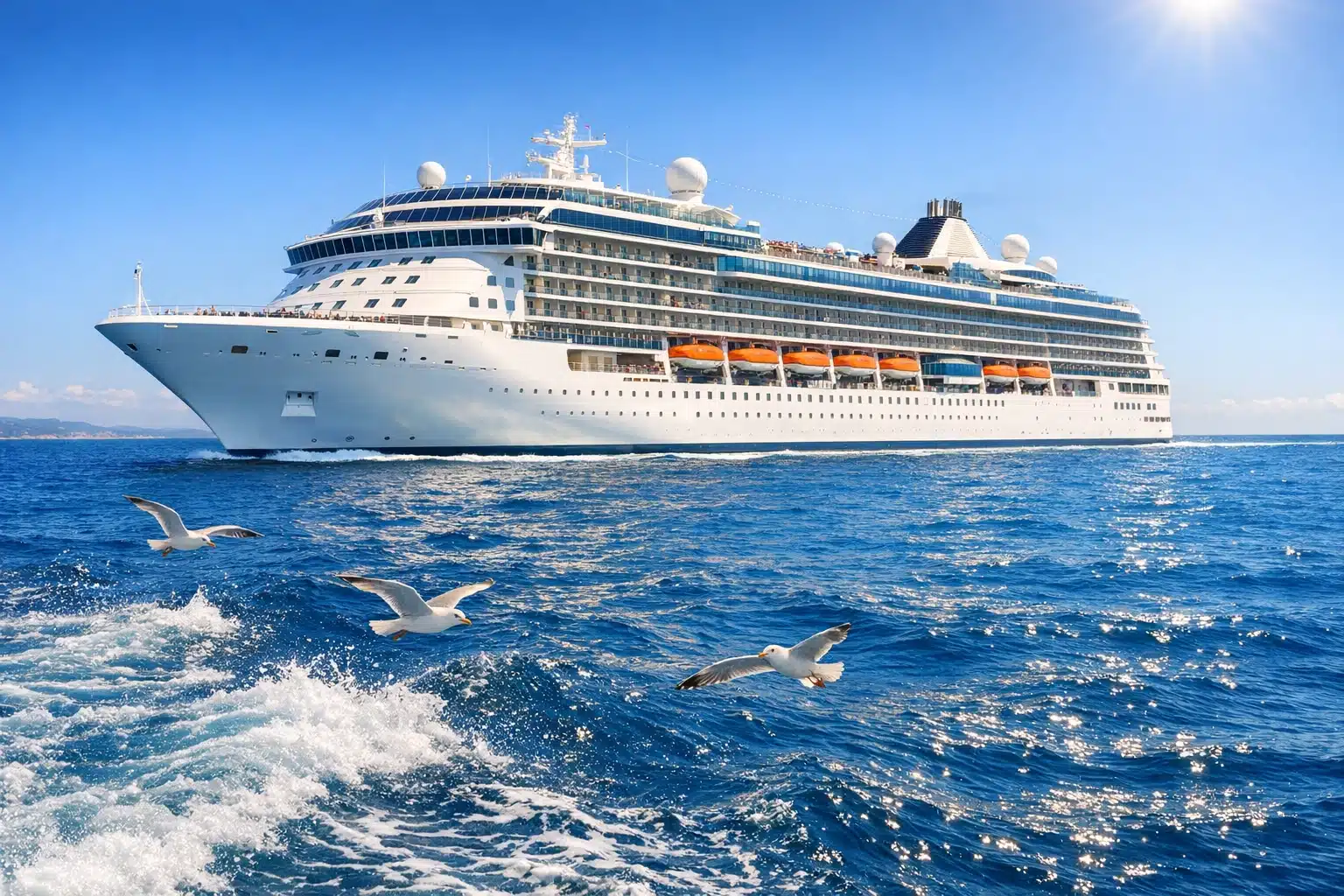
The Southampton part of the trip deserves more attention than many first-time passengers give it. A smooth embarkation day can set the tone for the whole break. Cruise lines generally allocate arrival windows to prevent the terminal from becoming crowded, and sticking to that slot usually makes the experience easier. Once you have dropped bags, passed through security, and checked in, the shift is almost immediate: from transport mode to holiday mode. That transition is one reason short cruises feel efficient. By the time some people would still be queueing at an airport coffee stand, cruise passengers may already be on deck, watching tugboats move through the harbour.
Because the cruise is only three days, cabin selection becomes a value question rather than a purely emotional one. An inside cabin is often the cheapest option and can make excellent sense on a short route where you are unlikely to spend much time in the room. Ocean-view cabins add natural light, which some travellers appreciate if they are new to cruising or slightly uncertain about enclosed spaces. Balcony cabins are the most indulgent choice, but on a short North Sea or Channel-adjacent itinerary, their value depends on season and weather. In summer, a balcony can be lovely for early morning tea or a quiet moment at sail-away. In cooler months, many passengers use it less than expected.
What you actually do on board will depend on the ship, but the broad pattern is familiar. After boarding, passengers typically explore the public spaces, book dining or spa slots if needed, and attend the mandatory safety drill. Then the ship slips into its evening routine. Restaurants open, bars fill, a theatre show or live music begins, and the first-night excitement does some of the entertainment by itself. On a short cruise, the ship often feels lively. People know time is limited, so they tend to make fuller use of the facilities.
Useful boarding-day priorities often include:
• keeping travel documents, medication, and valuables in hand luggage
• carrying a light layer, because decks can be breezy even in fair weather
• checking whether drinks, Wi-Fi, and speciality dining are included or extra
• exploring the ship early, before the busiest hours begin
Food is a central part of the mini-cruise experience. For many travellers, one of the strongest arguments in favour of a short sailing is the simplicity of having meals, accommodation, and entertainment bundled together. Main dining rooms and buffet venues usually cover most needs, while paid options such as steak, seafood, or Asian-themed restaurants can give the trip a celebratory touch. It is worth remembering that cruise pricing can look inexpensive at first glance, but add-ons alter the final figure. Drinks, gratuities on some lines, shore excursions, parking, and specialty dining may all affect the real cost.
Still, the onboard value can be strong when viewed against a typical city break budget. A hotel in a popular European destination, train transfers, restaurant meals, and evening entertainment add up quickly. On a short cruise, much of that is wrapped into one booking. That convenience is especially useful for travellers who are not chasing hyper-detailed itineraries. If your ideal short break involves seeing a bit, eating well, enjoying a changing horizon, and switching off without logistical strain, the ship itself is not just transport. It is half the holiday.
Arriving in Zeebrugge: Bruges, the Belgian Coast, and Smart Shore Planning
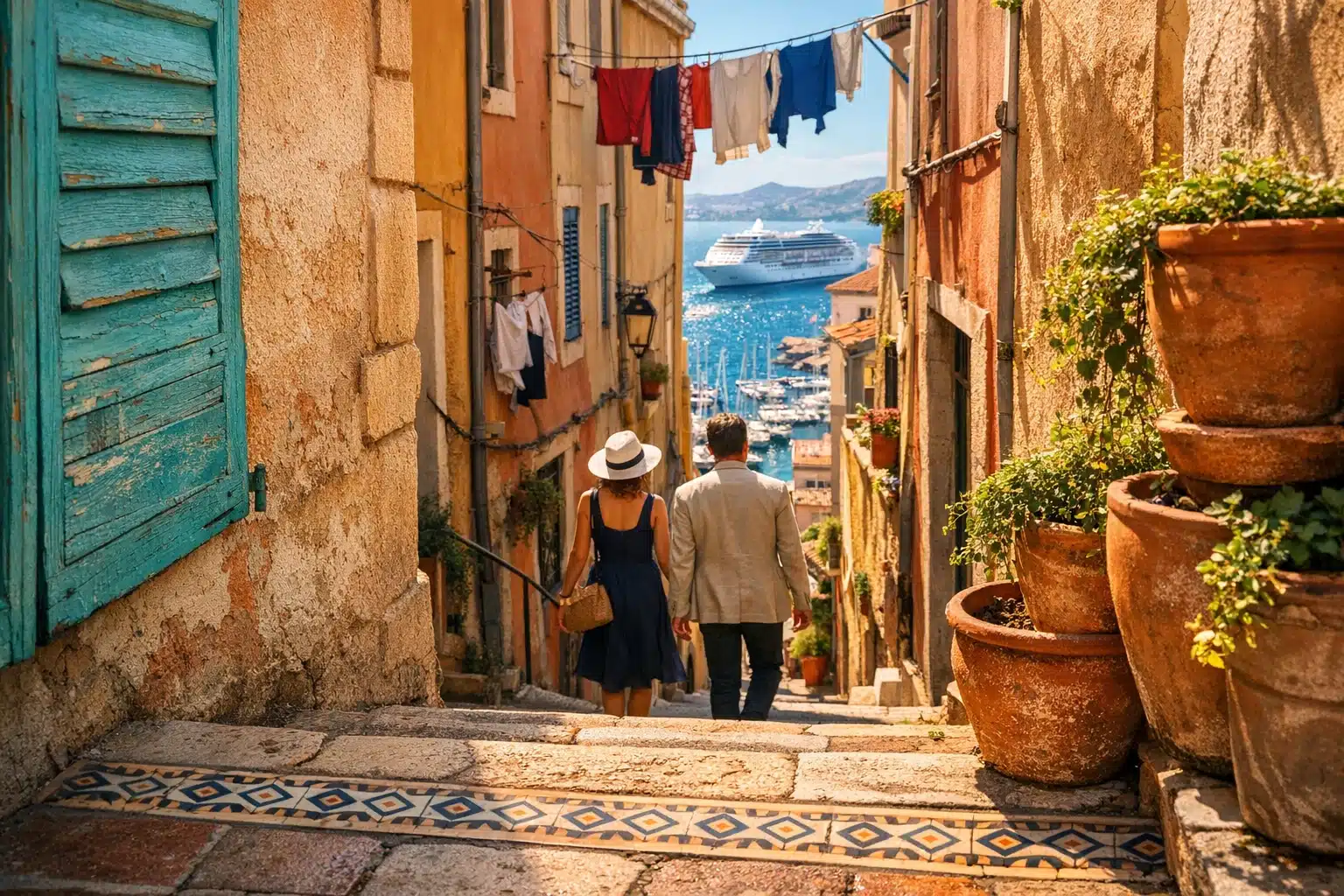
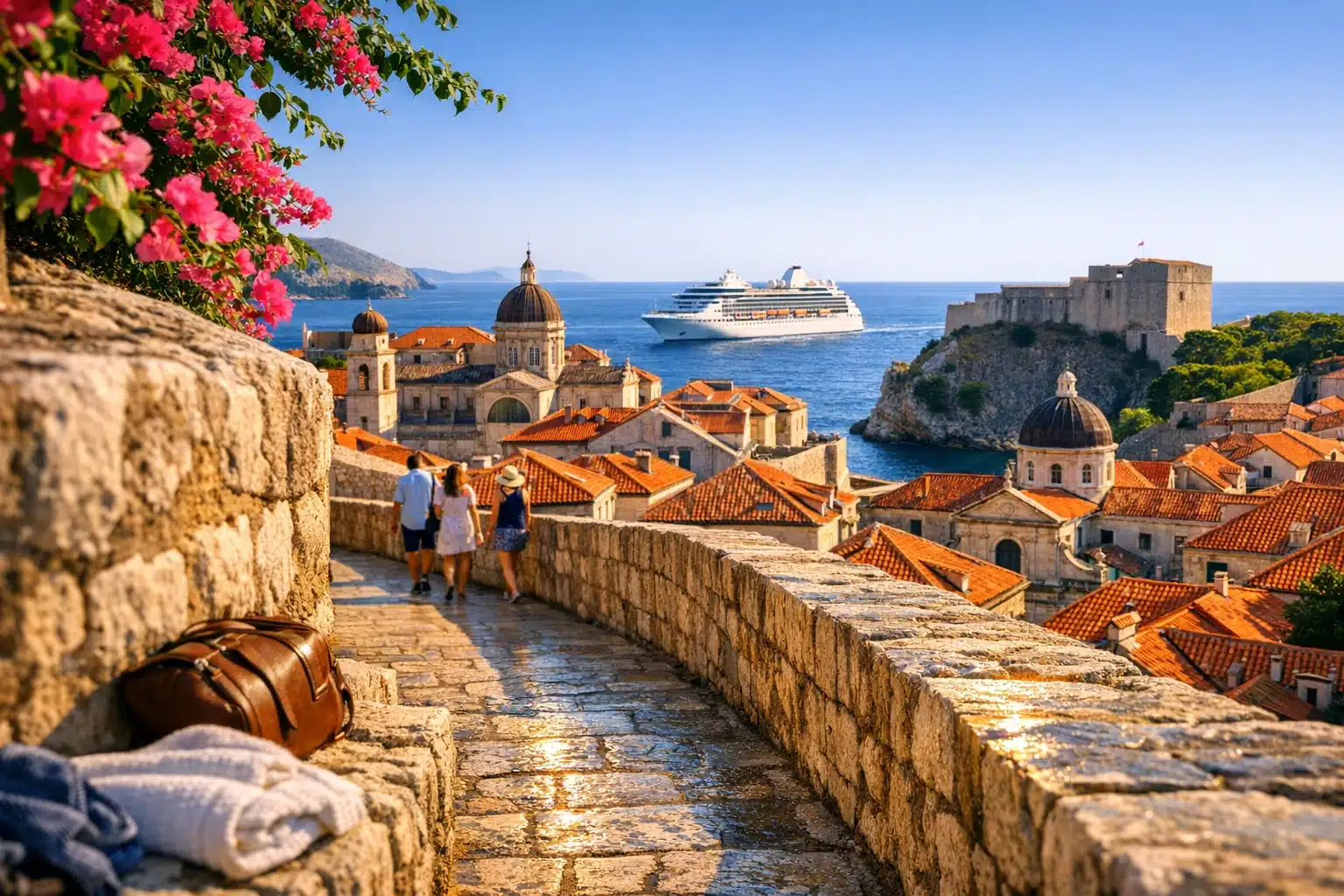
When the ship reaches Zeebrugge, the practical question is simple: stay near the coast or head inland to Bruges? For most passengers, Bruges is the obvious draw, and with good reason. It is one of Europe’s most atmospheric small cities, known for canals, stepped gables, medieval streets, market squares, and an old-world layout that feels almost made for an unhurried day visit. Zeebrugge itself is a working port rather than a sightseeing heavyweight, so unless you want a very relaxed coastal day, Bruges usually offers better value for your limited hours ashore.
Travel from the port to Bruges can vary depending on the ship and port arrangements. Some cruise lines sell organised excursions, while independent options may include shuttle buses, local transfers, or a combination of shuttle and train. Journey times are often around 20 to 30 minutes by coach, though this can change with traffic and scheduling. If you prefer the least complicated option, the ship’s official excursion usually wins on convenience. If you are comfortable navigating independently and want more flexibility, local transport can be cheaper. The best choice depends on your confidence, the all-aboard time, and whether you enjoy planning or prefer to hand the logistics to someone else.
Bruges rewards walkers. Much of its charm lies not in racing between landmarks but in letting the city unfold street by street. The Market Square, the Belfry area, Burg Square, canal edges, and smaller lanes around the historic centre can comfortably fill several hours. Popular experiences often include:
• a canal boat ride when queues are manageable
• sampling Belgian waffles, fries, or chocolate from established local shops
• visiting a church, museum, or brewery if you want substance beyond the postcard scenery
• pausing in a quiet café rather than trying to cram in every major stop
Travellers who have already visited Bruges, or who prefer a less crowded outing, might consider the Belgian coast. Blankenberge is one nearby option known for its promenade and beach atmosphere. In warmer months, that can be a pleasant contrast to the dense foot traffic of Bruges. Some passengers simply use the port call for a slower day: a shoreline walk, a seafood lunch, and an early return to the ship while others are still queueing for transfers. There is nothing wrong with that choice. One of the better lessons of short cruising is that not every port day needs to become a competitive sport.
Timing matters. Because this is a one-day call, you should keep a close eye on return times and allow a generous margin. Cruise ships do not wait for independently delayed passengers in the same way a hotel would hold a room. The safest plan is to leave Bruges earlier than your optimistic self thinks necessary. It also helps to carry the daily programme, local currency or a payment card, and any port shuttle details in an easy-to-reach pocket. A little preparation keeps the day smooth.
Perhaps the nicest thing about this stop is the contrast it provides. One day you are watching grey-blue water slide past the ship’s wake; the next you are standing beside a canal with a cone of fries in one hand and a camera in the other, listening to bicycle bells and church clocks. That shift in atmosphere is the essence of the route. The destination matters, but so does the transformation between places.
Cost, Value, and How This Mini-Cruise Compares with Other Short Breaks
Price is often the deciding factor when people consider a 3 day cruise break from Southampton to Zeebrugge, and the answer is more nuanced than the headline fare suggests. These cruises can appear attractively priced, especially outside peak school-holiday periods or when booked as part of a late deal. However, the true value comes from understanding what is included, what is extra, and what comparable land-based breaks would cost once everything is added together.
The basic fare usually covers accommodation, standard dining, entertainment, and travel between Southampton and Belgium. That package structure can compare favourably with a self-planned European weekend. Consider the usual ingredients of a city break: rail or air tickets, baggage costs, accommodation, restaurant meals, local transfers, and perhaps a museum or evening show. Even before spending money on shopping or drinks, the total can climb quickly. A cruise bundles several of these elements into one purchase, and for travellers who like predictability, that has real value.
Still, mini-cruise budgeting works best when you account for likely extras from the start. Common add-on costs include:
• port parking or rail travel to Southampton
• gratuities, depending on the cruise line’s policy
• drinks packages or individual bar purchases
• Wi-Fi access
• speciality dining
• organised shore excursions
• travel insurance
For a couple, these extras can noticeably widen the gap between the advertised fare and the final bill. That does not make the holiday poor value; it simply means comparisons should be honest. A short cruise is often best viewed as a convenience-led break with built-in entertainment, not always as the absolute cheapest way to spend three days away.
There are also value differences between traveller types. Families may appreciate that there is plenty to do on board without paying for separate attractions every hour. Couples may see good value in having dinner, a show, and a private cabin wrapped into one trip. Groups of friends often like the low-planning format: everyone meets in Southampton, checks in once, and the rest of the weekend unfolds with minimal coordination. Older travellers or those who dislike flying may value the route even more highly because it reduces physical strain and uncertainty.
Compared with a ferry plus hotel model, the cruise is generally more comfortable and more entertainment-rich, though usually less flexible once booked. Compared with a pure city break, it gives you less destination time but more built-in leisure. In other words, the value depends on what you want the trip to do. If your goal is maximum hours in Belgium, a rail or air-based trip might suit you better. If your goal is to enjoy the journey, relax with food and entertainment on tap, and still get a satisfying taste of Bruges or the coast, the cruise is often the stronger proposition.
There is a kind of quiet arithmetic to this choice. You are not only buying miles travelled or hours ashore. You are buying simplicity, mood, and an easy route into holiday mode. For many travellers, that combination is precisely what makes the numbers work.
Who This Cruise Suits Best, What to Pack, and Final Thoughts for First-Time Bookers
This type of cruise suits travellers who want a break that feels complete without demanding much planning. It is especially well matched to first-time cruisers, couples wanting an easy escape, friends marking a birthday or reunion, and passengers who prefer to avoid airports. It can also work well for multi-generational groups because the ship naturally provides different rhythms for different people. One person can read on deck, another can browse duty-free shops, another can watch live music, and everyone still meets for dinner. That flexibility is one of cruising’s most practical strengths.
It is less ideal for travellers who dislike structured timings, want deep immersion in a destination, or become frustrated by limited time ashore. Zeebrugge on a 3 day itinerary is a sampler, not a long-form cultural study. You may come home having fallen for Bruges, but you will not have exhausted it. That is part of the bargain. The trip offers breadth of experience rather than depth in one place.
Packing for a short sailing is refreshingly simple, but there are a few smart choices that improve comfort:
• comfortable walking shoes for cobbled streets in Bruges
• a light waterproof jacket, because coastal weather can change quickly
• a small day bag for documents, wallet, phone, and water
• any motion-sickness remedies you trust, especially if you are new to sea travel
• one slightly smarter outfit if you enjoy making dinner feel like an occasion
It is also worth checking passport requirements, travel insurance, and boarding documents well before departure. While this is a short and easy route, international travel still rewards preparation. On embarkation day, keep essentials in hand luggage rather than checked baggage. On shore day, note the ship’s time carefully, since port schedules and local time awareness can trip up even experienced travellers.
For first-time bookers, one useful question is this: do you want the destination to be the whole point, or do you want the journey to count too? If the answer is the second one, this route has a lot going for it. You leave England with a suitcase and a sense of anticipation, watch the shoreline narrow into a line of light, dine while the ship moves through the dark, and wake up with Belgium ahead of you. That sequence gives the holiday a beginning, middle, and end in a way many fast weekend trips simply do not.
In summary, a 3 day cruise break from Southampton to Zeebrugge is best for travellers seeking a low-fuss, good-value escape with a balance of onboard comfort and continental flavour. It offers enough time to enjoy the rituals of cruising, enough destination time to make Belgium feel real, and enough simplicity to appeal to people who do not want to build a trip from scratch. If you are curious about cruising, short on annual leave, or simply ready for a change from the usual hotel weekend, this compact route is an appealing place to start.